Archive · 19 Sep 2026
F-35 Parts Diverted to Hong Kong Prompt Pentagon Probe
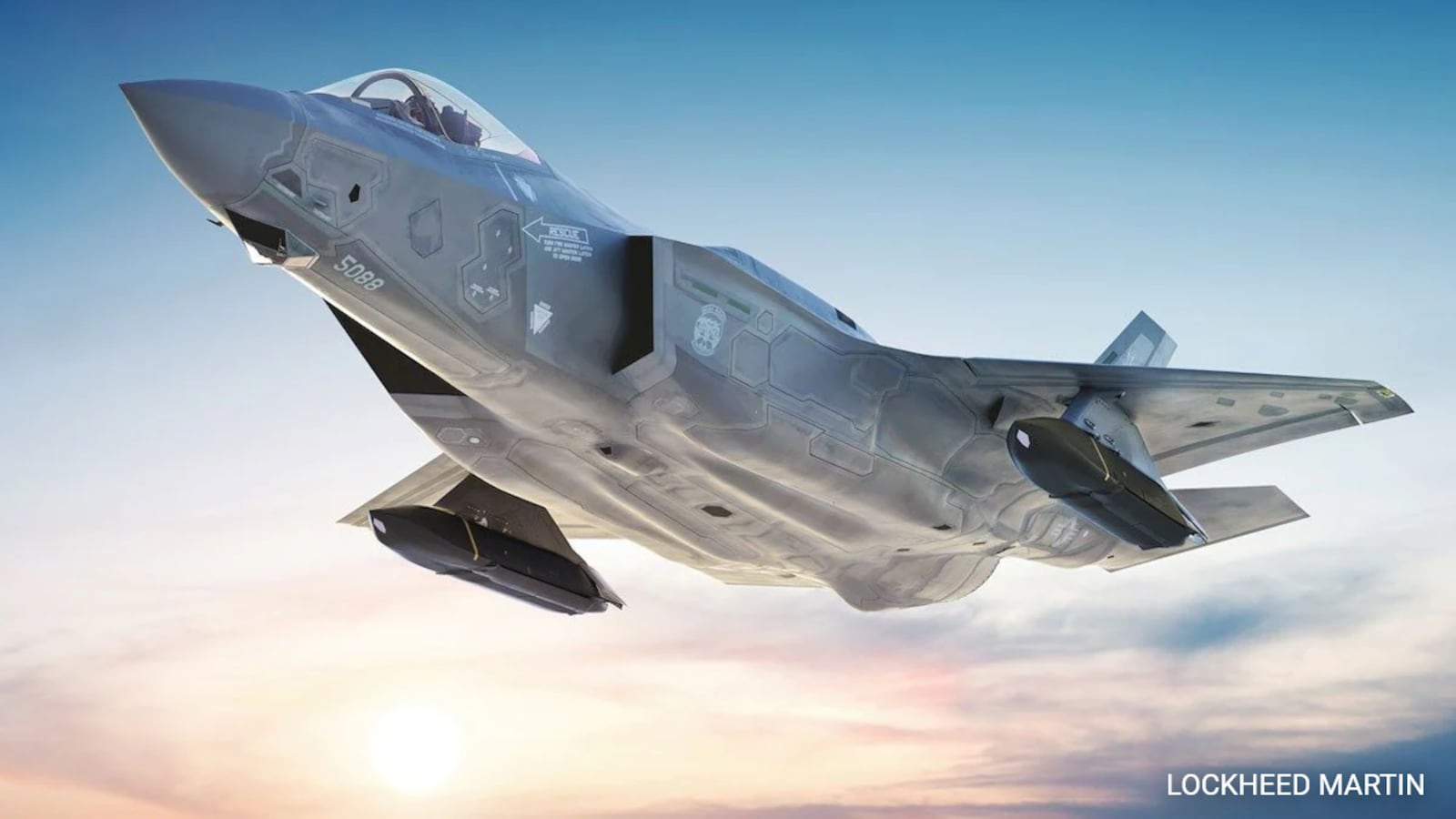
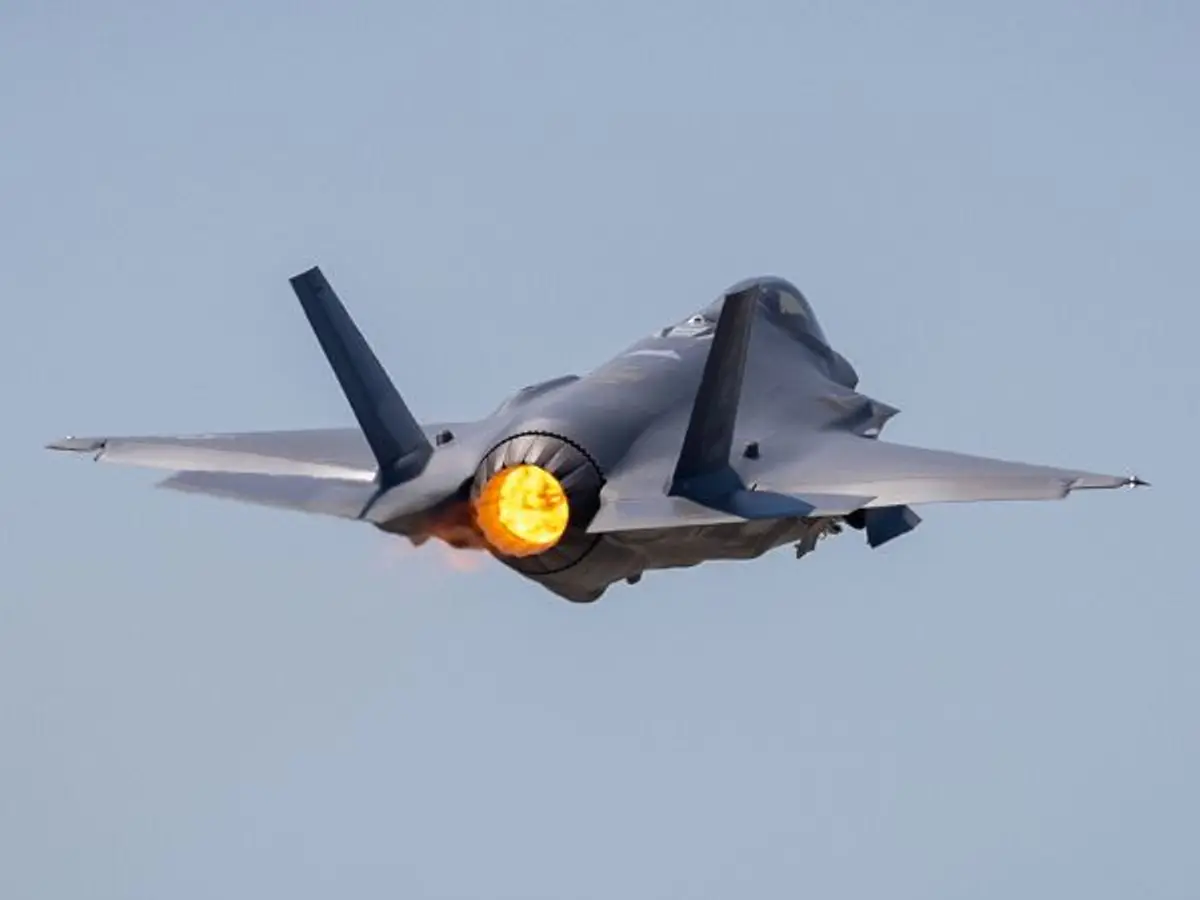
Some parts from F-35 fighter jets were being sent from Australia to the United States for repairs.
The shipment was unexpectedly redirected to Hong Kong.
Officials do not know why it was redirected or who has the parts now.
One reported part was an F-35 canopy, which helps make the plane harder for radar to detect.
Experts worry that studying it could help someone learn more about the jet.
The reports do not prove that China or Chinese authorities obtained the equipment.
The Pentagon, the F-35 office and industry partners are investigating and trying to retrieve the parts.
Congress has been briefed, and the incident has renewed concerns about how F-35 parts are tracked worldwide.

Sensitive F-35 components shipped from Australia to the United States for repairs were diverted to Hong Kong during transit.
The Pentagon confirmed a shipment issue involving unserviceable F-35 Lightning II components, but their current custody remains unclear.
An F-35 canopy was reportedly among the missing parts; its radar-absorbing coating contributes to the aircraft’s stealth design.
Pentagon and State Department officials briefed congressional staff, while U.S. authorities and industry partners work to recover the components.
The incident renewed concerns about F-35 supply-chain oversight after reports of more than one million missing spare parts.
- Who
- The Pentagon, the F-35 Joint Program Office, Lockheed Martin, congressional staff and other U.S. officials are responding; China is cited as a potential security concern.
- What
- A shipment of sensitive, unserviceable F-35 components was diverted to Hong Kong, prompting Pentagon and congressional inquiries.
- When
- The diversion occurred during the summer, and Pentagon and State Department briefings began in June; further meetings are expected.
- Where
- The parts were shipped from Australia toward the United States and were diverted while crossing the Pacific, with the shipment linked to Hong Kong.
- Why
- The diversion’s cause is unknown, but officials are concerned that access to the components could expose information about F-35 stealth technology.
Security and Accountability Concerns
Uncertainty and Official Response
Potential access to stealth technology
Security and Accountability Concerns
Experts warn that an actual F-35 canopy could help an adversary study its materials and verify or refine information about the aircraft’s stealth design.
Uncertainty and Official Response
The reports do not establish that China or Chinese authorities obtained the components; the Chinese Embassy said it was not familiar with the incident.
Meaning of the diversion
Security and Accountability Concerns
The unexpected rerouting to Hong Kong is being treated as a potential national-security issue and has prompted congressional scrutiny.
Uncertainty and Official Response
The reason for the diversion remains unknown, and U.S. authorities are investigating rather than publicly assigning responsibility.
Supply-chain management
Security and Accountability Concerns
The incident adds to concerns about contractor-managed inventories, missing spare parts, maintenance shortages and rising sustainment costs.
Uncertainty and Official Response
Lockheed Martin said it follows U.S. transport regulations and uses safeguards, while the F-35 Joint Program Office said it is introducing additional protections.
- Aircraft program
- F-35 Lightning II
- Reported missing component
- An F-35 canopy containing radar-absorbing material, according to people familiar with the shipment
- Shipment route
- Australia to the United States, with the shipment diverted to Hong Kong
- Official response
- The F-35 Joint Program Office is working with U.S. authorities and industry partners to retrieve the parts, investigate the incident and add safeguards
- Congressional response
- State Department and Pentagon officials briefed staff of key congressional national security committees
- Reported parts losses
- A 2023 Government Accountability Office report found that more than one million F-35 spare parts had gone missing over five years; a separate account cited losses worth more than $85 million
- Supply-chain structure
- The Pentagon owns the parts, while contractors manage much of the inventory across more than 50 facilities