

Archive · 1 Sep 2025
Should Women Have Mandatory RWA Representation?
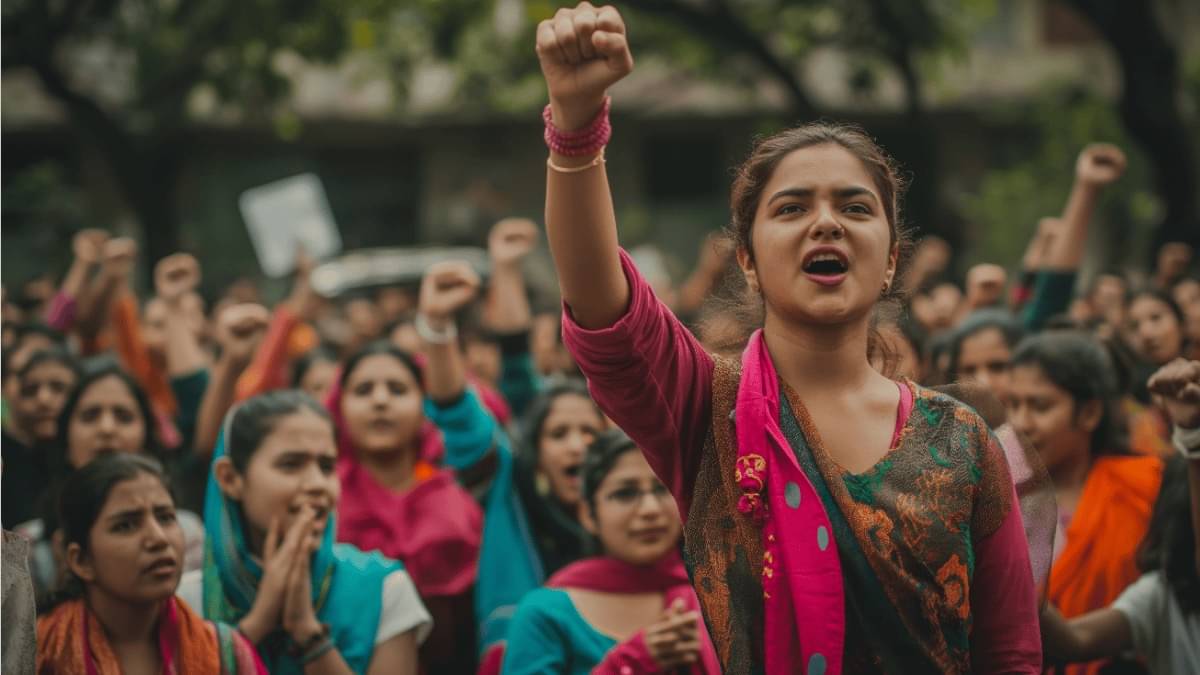
Imagine little city governments called RWAs that manage things in your neighborhood, like parks and garbage.
Right now, mostly men run these.
The article asks if we should make sure women are also in charge, like in the village governments (Panchayats), where it's already working well.
Women often make sure homes run smoothly, so their ideas could make the neighborhood better too.
More women in charge might mean safer streets, cleaner parks, and better community events.
This change could make cities more fair and modern.

The article discusses whether women should have mandatory representation in Resident Welfare Associations (RWAs).
RWAs currently often lack women's representation, unlike Panchayats.
Successful women's representation in Panchayats is presented as a positive model.
Women's financial acumen, understanding of safety, and community spirit would be beneficial in RWAs.
Mandatory representation could shift RWA priorities toward safety, waste management, and social welfare.
- Who
- Advocates for women's representation in RWAs.
- What
- The debate on whether Resident Welfare Associations (RWAs) should have mandatory representation for women, similar to Panchayats.
- When
- The discussion is ongoing.
- Where
- In urban India, specifically within Resident Welfare Associations.
- Why
- To improve governance, incorporate women's perspectives, and address issues like safety and cleanliness.
- Issue
- Mandatory women's representation in Resident Welfare Associations (RWAs)
- Panchayats
- Rural governance bodies with mandated women's representation
- Current RWA Composition
- Often dominated by men
- Proposed Change
- Mandate at least one-third women in RWA executive committees
- Potential Impact
- Shift priorities to include safety, waste management, and social welfare