Archive · 14 Sep 2026
Andhra Pradesh Orders War-Footing Measures to Protect El Niño Crops

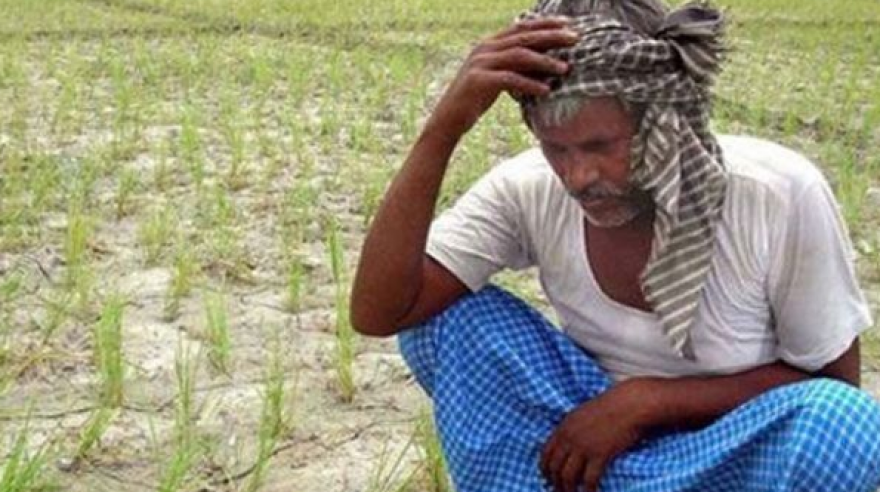
Andhra Pradesh has received much less rain than usual during the farming season.
This dry weather has made it difficult for crops to get enough water.
Agriculture Minister Kinjarapu Atchannaidu told officials to work urgently to protect the crops.
They were asked to use every available water source for protective irrigation.
Crop problems have been reported in hundreds of mandals and village areas.
Red gram and cotton have some of the largest affected areas.
Officials are checking fields and collecting crop-health information.
They are also encouraging farmers to grow crops that need less water.
Farmers in the Nagarjuna Sagar and Srisailam areas were advised to choose dryland crops instead of paddy.

Andhra Pradesh received 218.2mm of rain from June 1 to September 12, 54.2% below normal.
Kharif crops covered 26.50 lakh hectares, or 74% of the normal cultivated area.
Moisture stress, wilting and crop drying affected 2,44,443 hectares across 284 mandals and 1,792 RSKs or village areas.
Agriculture and Water Resources officials were ordered to use available water for protective irrigation and monitor fields continuously.
Officials are promoting low-water alternative crops, while farmers in Nagarjuna Sagar and Srisailam areas were urged to avoid paddy.
- Who
- Agriculture Minister Kinjarapu Atchannaidu, Irrigation Minister Nimmala Ramanaidu, state officials and farmers.
- What
- The Andhra Pradesh government ordered urgent crop-protection measures, including protective irrigation, field monitoring and promotion of low-water crops.
- When
- The review meeting was held on Sunday; rainfall and crop figures cover the period through September 12.
- Where
- Andhra Pradesh, especially Kurnool, Nandyal and Anantapur, as well as the Nagarjuna Sagar and Srisailam areas.
- Why
- Rainfall was 54.2% below normal, causing moisture stress, wilting and drying in crops.
- Rainfall
- 218.2mm was received between June 1 and September 12, compared with a normal 476.1mm.
- Rainfall deficit
- 54.2% below normal.
- Kharif cultivation
- 26.50 lakh hectares, equal to 74% of the normal area and 78% of the previous year's corresponding acreage.
- Affected area
- 2,44,443 hectares across 284 mandals and 1,792 RSKs or village areas.
- Most affected districts
- Kurnool had 1,09,255 affected hectares, followed by Nandyal with 80,751 and Anantapur with 32,456.
- Survey coverage
- Surveys covered 2.7493 crore of 2.7558 crore plots, or 99.76%.
- Alternative crops
- Alternative crops were planted on 34,567 hectares, with another 95,112 hectares to be covered.