

Archive · 25 Jul 2025
Understanding IVF: A Fertility Specialist's Insights
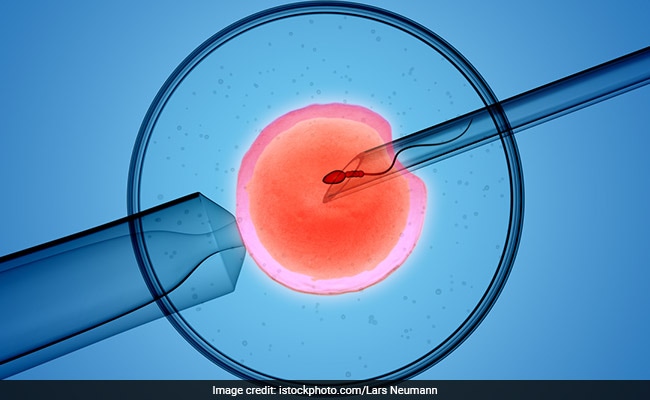
IVF, or in vitro fertilization, is a way to help people have babies.
Doctors give women medicine to make their bodies produce more eggs.
The eggs are then taken out and mixed with sperm in a lab.
If the eggs get fertilized, they are put back into the woman.
It's not always easy, and it can take time.
Success is more likely for younger women and depends on healthy choices.
The process can be tough emotionally, so getting support is important.

IVF is a complex medical process involving hormone injections, egg retrieval, fertilization, and embryo transfer.
Success rates vary, influenced by factors like age and lifestyle choices.
Younger women under 35 generally have higher success rates than older women.
Lifestyle factors, including smoking and stress, can impact egg and sperm quality.
IVF can be emotionally challenging, and seeking support is common.
- Who
- Couples facing fertility challenges.
- What
- IVF is a medical procedure to assist with fertility challenges.
- When
- Not explicitly stated in the article.
- Where
- In a lab and a medical facility.
- Why
- To help couples conceive when natural conception is difficult.
Misconceptions
Reality
Success Rate
Misconceptions
IVF is always a guaranteed success.
Reality
Success rates vary based on individual factors.
- Procedure Overview
- Hormone injections, egg retrieval, fertilization, embryo transfer
- Success Factors
- Age, lifestyle choices
- Age Impact
- Younger women (under 35) have higher success rates.
- Potential Challenges
- Emotionally challenging, multiple cycles may be required