Archive · 6 Sep 2025
China's Tibet Boarding School: Education or Erasure?
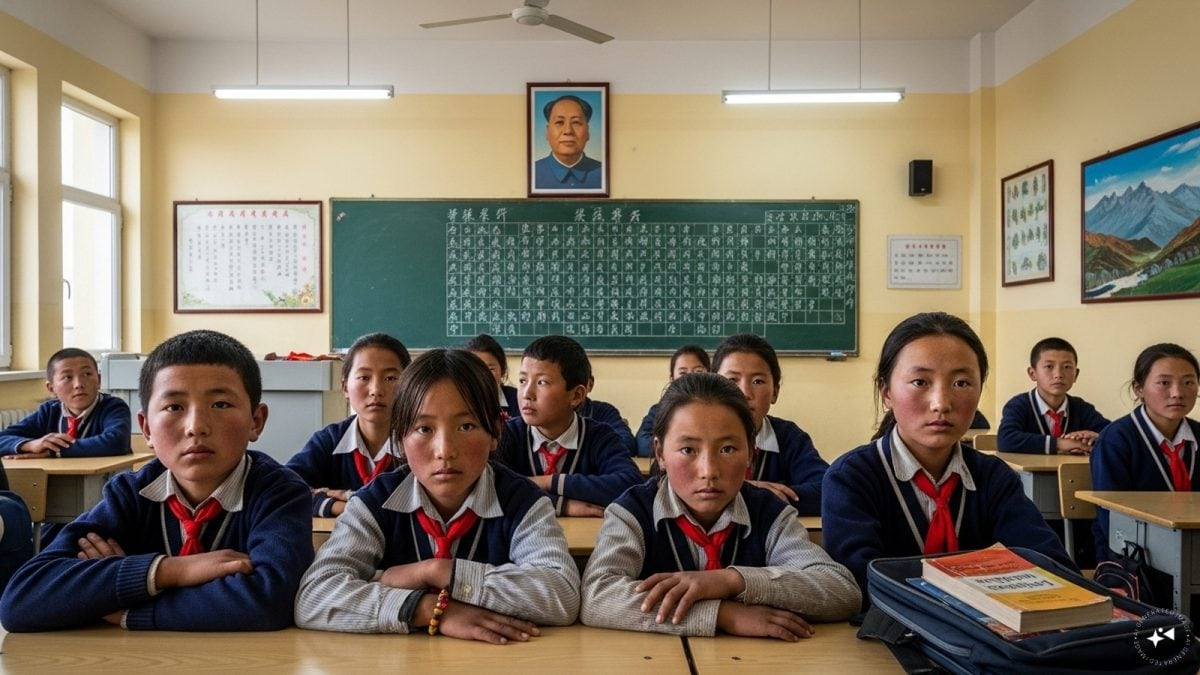
China opened a new school in Tibet where kids live and learn.
China says it's to help kids learn.
But some people are worried.
They say the school might be trying to change Tibetan culture.
Kids are away from their families and learn in Mandarin, not Tibetan.
This can make them feel ashamed of their culture.
The UN is concerned about this, too.
The worry is that China wants to change how Tibetan kids think and feel.
While China sees it as progress, others believe it is a way to get rid of Tibetan culture.

China opened a state-run boarding school in Chone, eastern Tibet.
The school is for students aged 9-12.
China presents the school as educational progress and development.
Critics express concern about cultural assimilation and forced separation from families.
The UN and others have voiced worries about the potential for cultural erasure.
- Who
- China and Tibetan children
- What
- Opening of a new state-run boarding school
- When
- Recently opened
- Where
- Chone, eastern Tibet
- Why
- China says for educational progress; critics say for cultural assimilation
Critics of the Boarding School
China's Stance
Cultural Impact
Critics of the Boarding School
The boarding school is part of a strategy to undermine Tibetan culture and identity, including language and traditions.
China's Stance
The school represents educational progress and development in the region.
- Location
- Chone, eastern Tibet
- Target Age Group
- 9-12 years old (grades 4-6)
- School Type
- State-run boarding school
- Purpose (China's View)
- Development and educational progress
- Critic's Concerns
- Forced cultural assimilation and erasure
- Report Title
- "When They Came to Take Our Children"