1 hr ago
SEBI Reviews Brokers’ Concerns Over New UPI MDR Charges
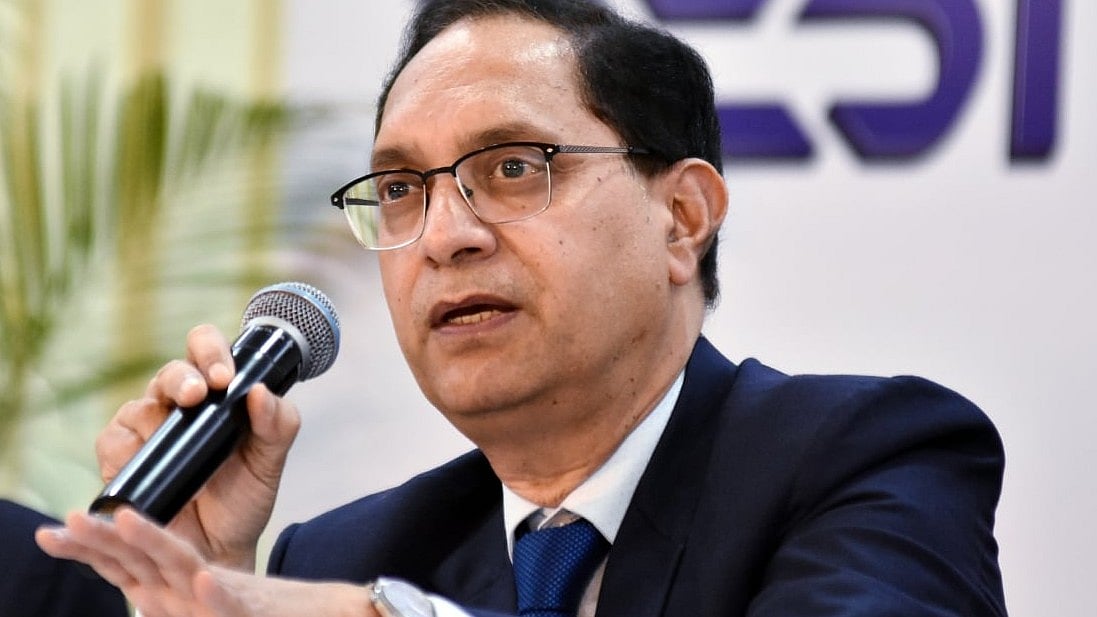
SEBI is the regulator that oversees India’s securities markets.
It said it will study brokers’ worries about new charges on some UPI payments.
The charge for payments to brokers is proposed at 0.02%, with a maximum of Rs 300 per transaction.
Brokers may have to pay this charge when customers add money to their trading accounts.
The problem is that customers might not use that money to buy or sell anything.
This could leave brokers paying fees without earning money from trades.
Zerodha’s Nithin Kamath suggested making the maximum charge smaller for broking payments.
He also said that rules requiring unused money to be returned to customers could make the issue more difficult.

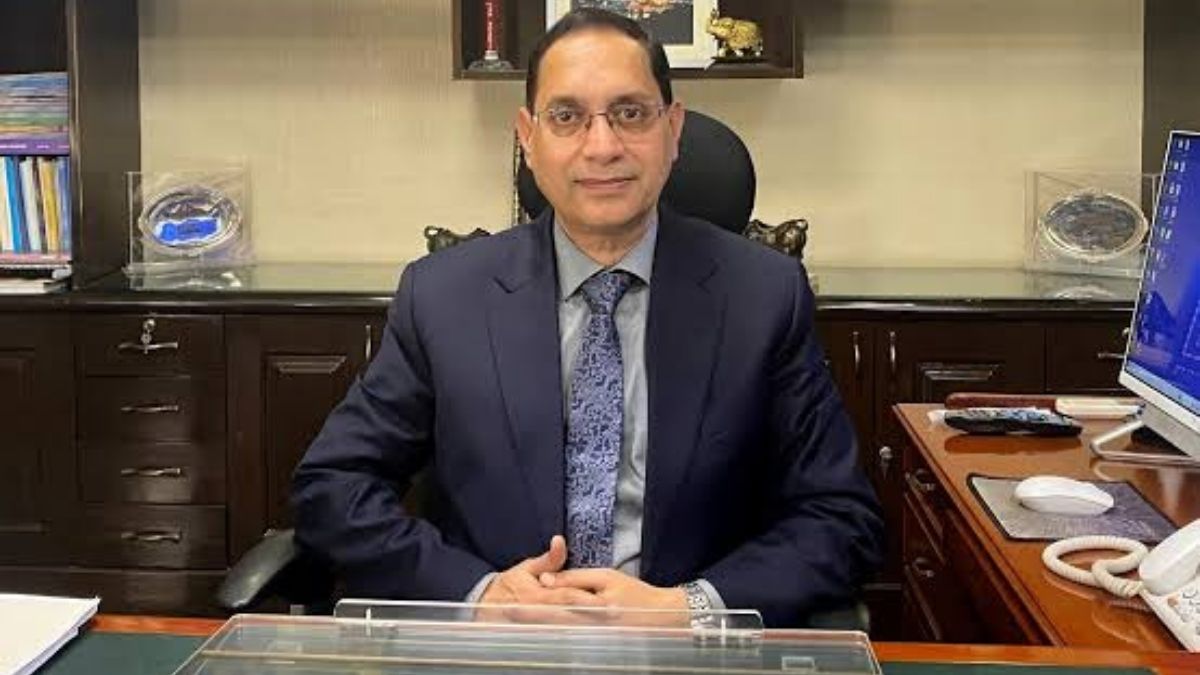
SEBI Chairman Tuhin Kanta Pandey said the regulator will examine stockbrokers’ concerns about the new UPI MDR framework.
Under the revised framework, capital-market UPI payments to stockbrokers and dealers will attract a 0.02% MDR, capped at Rs 300 per transaction, from October 15.
Brokers said they could face charges when customers transfer money into trading accounts but do not place trades.
Zerodha co-founder Nithin Kamath suggested lowering the transaction cap for broking-related UPI payments.
Kamath said repeated transfers and quarterly settlement requirements could increase brokers’ costs without generating trading revenue.
- Who
- SEBI Chairman Tuhin Kanta Pandey, stockbrokers, brokerage firms, and Zerodha co-founder Nithin Kamath.
- What
- SEBI will review brokers’ concerns about the revised Merchant Discount Rate framework for UPI payments.
- Where
- The remarks were made at the NaBFID Infrastructure Conclave 2026 in Mumbai.
- When
- Pandey made the comments on Thursday; the revised charges are scheduled to apply from October 15.
- Why
- Brokers are concerned they could incur UPI charges on customer fund transfers that do not result in trades.
Stockbrokers’ concerns
UPI MDR framework rationale
Who should bear the cost
Stockbrokers’ concerns
Brokers say they could be charged when customers transfer money but do not execute trades, creating expenses without corresponding trading revenue.
UPI MDR framework rationale
The revised framework applies MDR to selected UPI payment movements, and the capital-market rate is lower than the 0.4% charge proposed for eligible merchant payments above Rs 2,000.
Transaction cap
Stockbrokers’ concerns
Nithin Kamath said the cap for broking-related UPI payments should be reduced to limit the financial burden on brokers.
UPI MDR framework rationale
The current framework specifies a maximum MDR of Rs 300 per capital-market transaction.
Purpose of the framework
Stockbrokers’ concerns
Brokers are seeking clarity or changes to prevent costs arising from non-trading fund transfers and quarterly returns of unused client funds.
UPI MDR framework rationale
The revised MDR structure is intended to create a sustainable revenue framework for digital payments.
Key facts
- Regulator
- Securities and Exchange Board of India (SEBI)
- SEBI chairman
- Tuhin Kanta Pandey
- Capital-market MDR
- 0.02% on payments to stockbrokers and dealers
- Maximum charge
- Rs 300 per transaction
- Effective date
- October 15
- Broker concern
- Charges may apply even when transferred funds are not used for trades
- Suggested change
- Nithin Kamath proposed a lower cap for broking-related UPI payments
Quotes

Tuhin Kanta Pandey
SEBI Chairman who said the regulator would examine brokers’ concerns about UPI MDR charges
“What makes this even more challenging is quarterly settlement (QS). This is a SEBI regulation that requires brokers to send unused funds back to clients every month or quarter.”
 thehansindia.com
“That being said, there are some use cases, like investing and broking, where the proposed MDR structure doesn’t really make sense.”
thehansindia.com
Sources

Related news

Nithin Kamath Backs UPI MDR, Seeks Lower Broking Cap

Discount brokers challenge UPI fees over thin margins and costs

UPI Capital-Market MDR Debate Splits Views on Broking Costs

UPI MDR Revision Sets 0.02% Charge on Capital-Market Payments

UPI MDR Proposal Raises Costs for Digital Investment Platforms

UPI MDR Keeps SIPs Free, Adds Small Costs to Investments

Expiry-Day Volatility Persists as Indian Indexes Swing Sharply

SEBI Weighs Expiry-Day Settlement Prices as Expert Favors VWAP
SEBI May Revise Closing Auction Settlement Rules After Volatility

SEBI Keeps Closing Auction Session, Changes Derivatives Price Rules