

Archive · 3 Jun 2025
Hypertension: Why Monitoring is Important for Heart Health

Hypertension, or high blood pressure, often has no symptoms, making it dangerous.
It's when blood pushes too hard against artery walls.
This can hurt blood vessels, eyes, brain, and kidneys.
Over time, it leads to heart problems like heart failure and stroke.
Risk factors include family history, being overweight, and smoking.
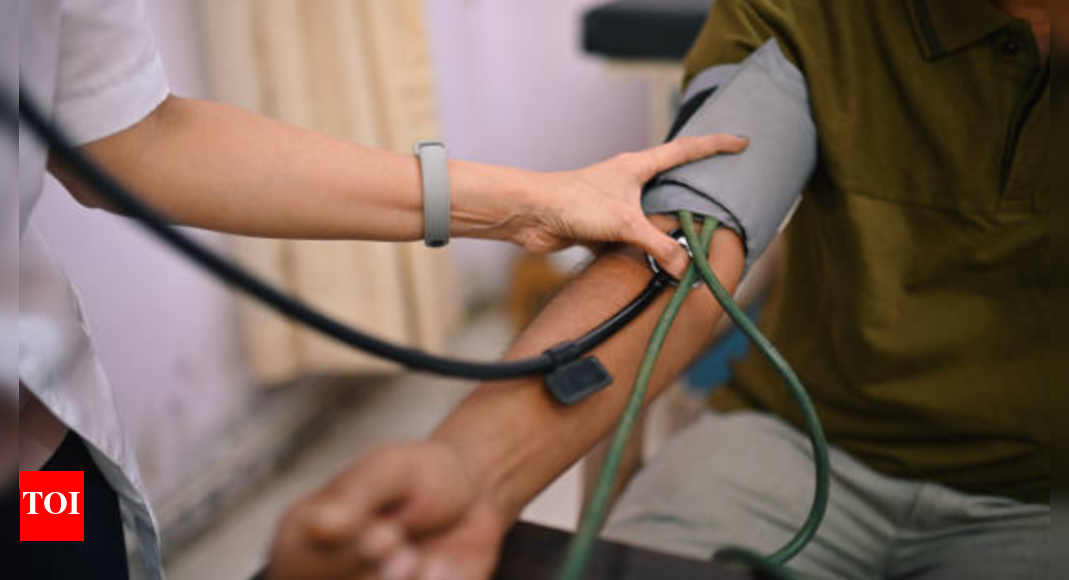
Regular blood pressure checks are important.
Healthy habits like exercise and a good diet can help.

Hypertension often lacks noticeable symptoms, posing significant health risks.
High blood pressure can damage blood vessels and vital organs.
Long-term hypertension can lead to severe cardiovascular diseases.
Risk factors include family history, obesity, and smoking or vaping.
Regular blood pressure checks are crucial for early detection and management.
- Who
- Individuals with hypertension; those at risk include people with a family history, those who are overweight, or those who smoke.
- What
- Hypertension and its impact on heart health.
- When
- Not explicitly mentioned, but the article implies long-term effects.
- Where
- Universal, affecting individuals globally.
- Why
- Hypertension can cause heart failure and stroke due to the stress on blood vessels and organs.
- Expert
- Dr Madhumidha K, MBBS, MD
- Normal Blood Pressure
- 120/80 mm Hg (Normal)
- Potential Health Issues
- Stroke, heart failure, and heart attack
- Risk Factors
- Family history, obesity, and smoking or vaping
Sources
Skipping BP checks? Expert reveals how that could lead to a silent heart problem

Expert reveals reasons behind the heart attacks striking young Indians
Why is high blood pressure more common in youngsters than in adults?
