

Archive · 21 Jun 2025
Tariff Stacking Impacts US Businesses Amidst Trade Disputes
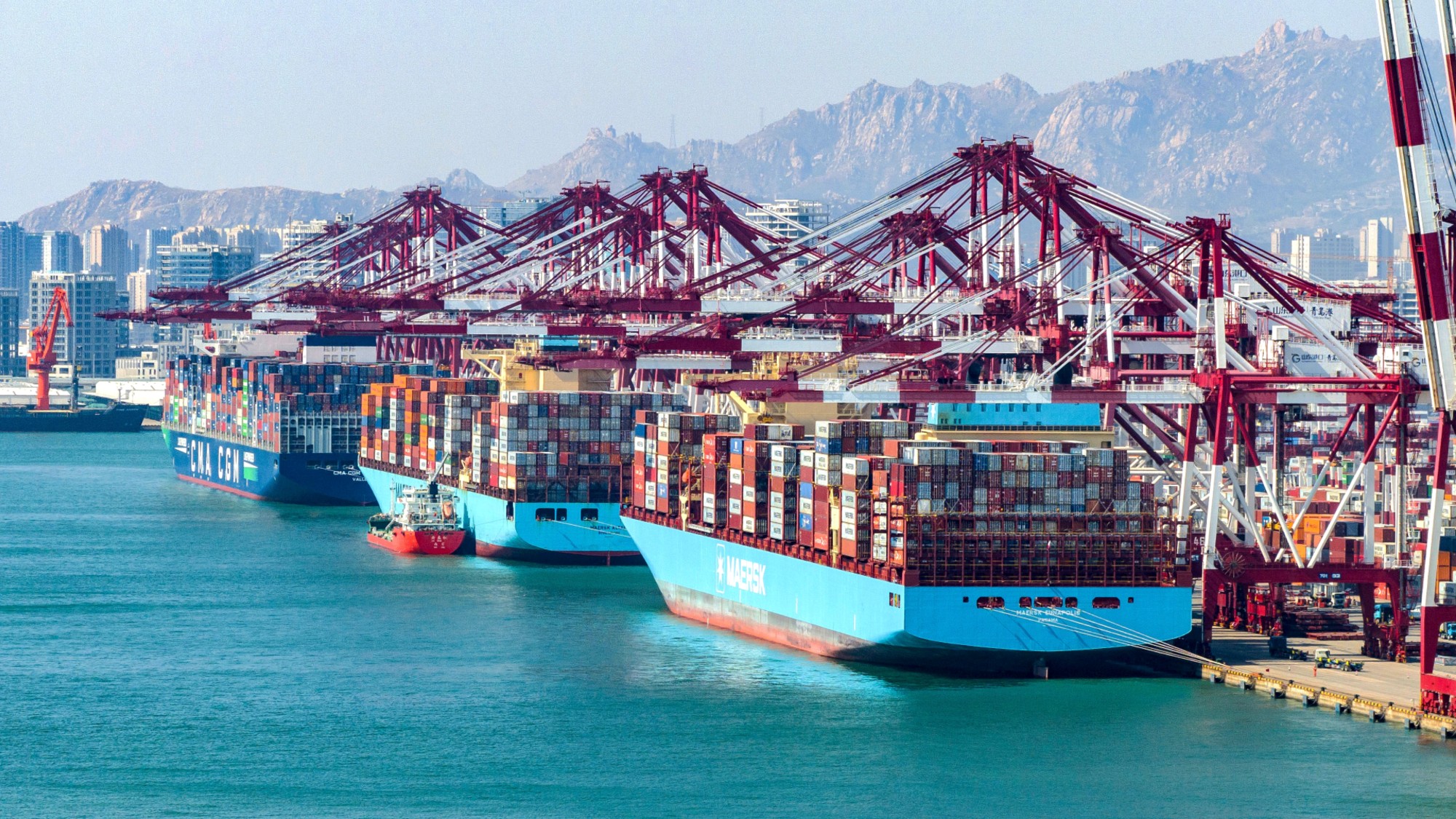
Imagine tariffs are like taxes on things you buy from other countries.
Sometimes, these taxes pile up, called tariff stacking.
This means businesses importing goods, especially from China, end up paying much more than expected.
This can make things like backpacks and clothes more expensive.
The government says it's not raising taxes, but some business owners are confused.
It can be hard for them to know exactly how much they'll owe, causing them to rethink their business plans.

Tariff stacking, where multiple tariffs apply to the same imported product, is causing problems for businesses.
American businesses importing Chinese goods are most affected by tariff stacking.
Economic experts state that tariff stacking leads to business owners paying more than the initial tariff cost.
The White House has stated a 55% tariff is not an increase due to pre-existing tariffs, but this is debated.
Some businesses are considering changes due to the increased costs from tariff stacking.
- Who
- American businesses, especially those importing from China.
- What
- Tariff stacking, where multiple tariffs are applied to the same imported products.
- When
- The trade war and executive actions.
- Where
- Primarily impacting businesses in the U.S.
- Why
- To increase the cost of imported goods and protect domestic industries; however, the unintended consequence is increased costs for businesses.
Government
Businesses
Effect of New Tariffs
Government
The new tariff of 55% on some Chinese goods is not an increase due to pre-existing tariffs.
Businesses
The new tariff could still be a high cost because it is an estimate, so businesses are confused, leading to a possible increase in costs.
- Term
- Tariff Stacking
- Impact
- Increased costs for importers
- Affected Goods
- Chinese imports: backpacks, clothing
- Affected Countries
- China and the U.S.
- Tariff rates example
- Cotton sweaters (46.5%), women's bathing suits (54.9%)