

Archive · 25 Nov 2025
Uranium in breast milk study raises concerns
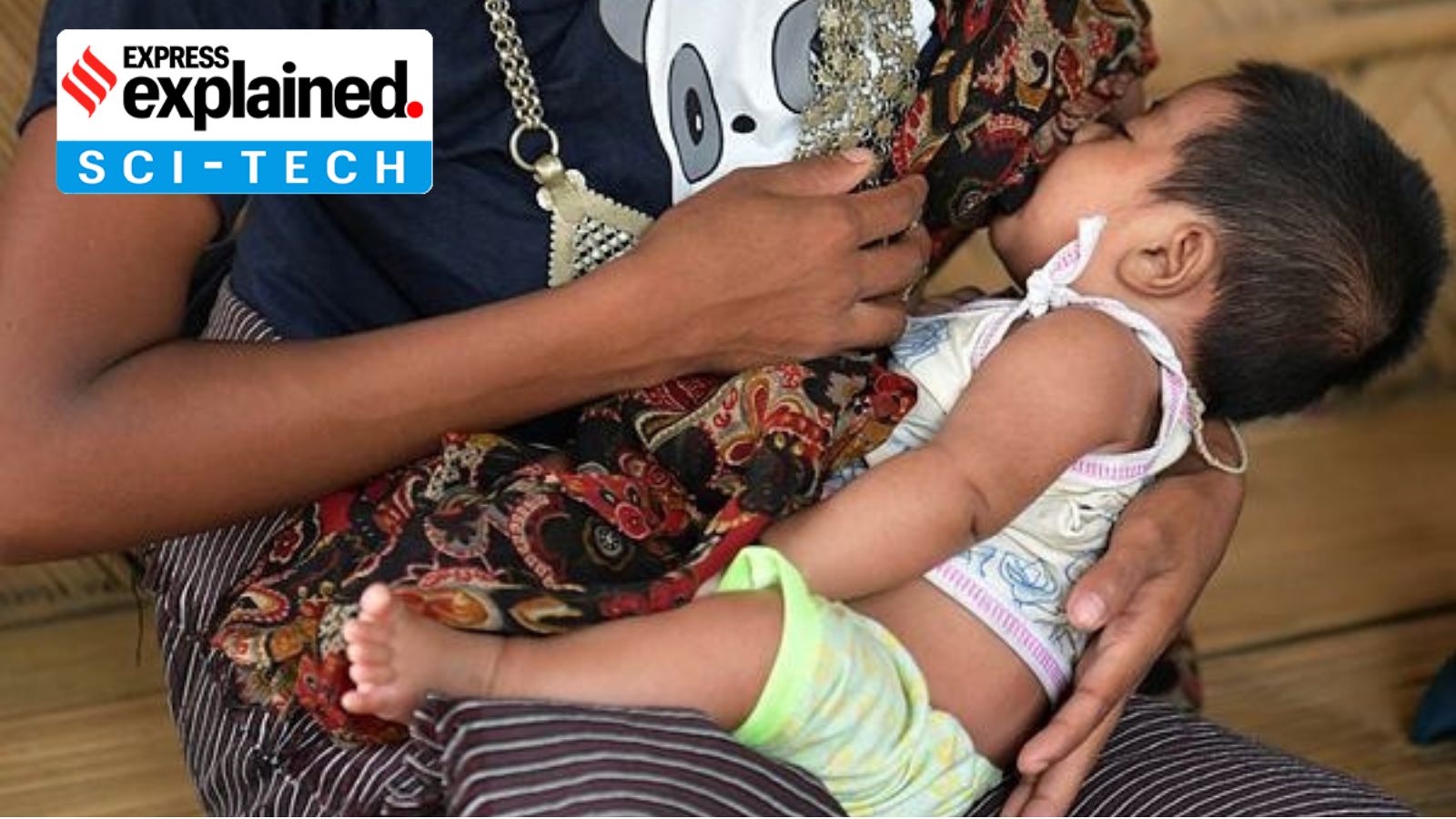
A recent study found uranium in the breast milk of mothers in Bihar, India.
The researchers said that 70% of the babies might have been exposed to levels that could cause health problems, like kidney or bone damage.
However, other experts say that the amounts found are very small and not dangerous.
They also said that uranium is naturally found in small amounts in everything, including water and food.
The World Health Organization says that the human body usually has about 90 micrograms of uranium, mostly in the bones, liver, and kidneys.
Some experts are questioning the methods used in the study and whether it was necessary to study uranium levels in breast milk alone.
Overall, while the study has raised some concerns, many experts believe that the levels of uranium found are not harmful to babies.

A study detected uranium in 40 breast milk samples from Bihar, India.
70% of infants may have been exposed to potentially harmful levels.
Experts argue that natural uranium levels are not dangerous.
WHO states the human body contains about 90 µg of uranium.
Methodology and relevance of the study have been questioned.
- Who
- Researchers from Mahavir Cancer Sansthan, Lovely Professional University, and AIIMS-New Delhi
- What
- Detection of uranium in breast milk samples from Bihar
- When
- Study published last Friday
- Where
- Bihar, India
- Why
- To assess potential health impacts on infants
- Study Source
- Scientific Reports journal
- Samples Tested
- 40 breast milk samples from Bihar
- Researchers
- Mahavir Cancer Sansthan, Lovely Professional University, AIIMS-New Delhi
- Uranium Levels
- 70% of infants exposed to potentially harmful levels
- WHO Uranium Limit
- 30 µg/L in groundwater
- Finland Uranium Threshold
- 100 µg/L in groundwater
- Uranium in Human Body
- Average 90 µg, mostly in skeleton, liver, kidneys
