

Archive · 6 Jan 2026
Mumbai Reforms Pagdi System in 2026
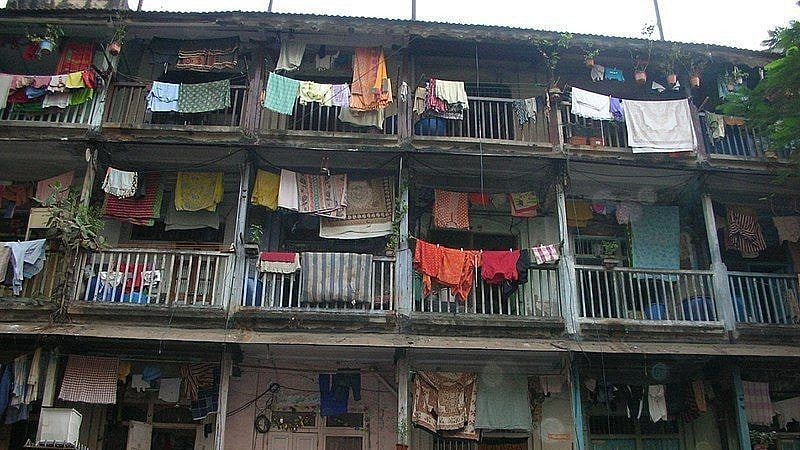
The pagdi system in Mumbai is a very old way of renting homes that started during British rule.
It helped people live in the city for a long time with low rents.
But now, many of these buildings are old and unsafe.
The government wants to change this system to make sure people are safe and the city can grow.
They want to fix or rebuild these buildings, but they also want to make sure people aren't left without homes.
It's a big challenge because some of these buildings are very important to the city's history.
The government is trying to find a way to keep people safe, protect the city's history, and help the city move forward.

The pagdi system, a colonial-era tenancy framework, is being reformed in 2026 due to safety concerns and stalled redevelopment.
Mumbai has 19,000 pagdi properties, many of which are structurally compromised and housing hundreds of thousands of residents.
More than 13,000 buildings are stuck in redevelopment limbo, with nearly 28,000 cases clogging the courts.
The state government proposes a redevelopment-led resolution to address the challenges posed by the ageing and unsafe building fabric.
Reform goals include safety, dignity, heritage preservation, voluntary transition, transparent compensation, and assured relocation.
- Who
- Mumbai's state government and residents of pagdi properties
- What
- Reform of the pagdi system
- When
- 2026
- Where
- Mumbai, India
- Why
- Safety concerns, stalled redevelopment, heritage loss, and the system's unsustainability
- Pagdi System
- Colonial-era tenancy system in Mumbai
- Number of Pagdi Properties
- 19,000
- Stalled Redevelopment
- 13,000 buildings
- Pending Court Cases
- 28,000
- Proposed Reform
- Redevelopment-led resolution
- Key Concerns
- Displacement, speculative redevelopment, safety
- Heritage Loss
- Architecturally significant buildings deteriorating
- Reform Goals
- Safety, dignity, heritage preservation, voluntary transition, transparent compensation, assured relocation