Archive · 7 Oct 2026
ElevenLabs Plans Major India Investment and Voice AI Expansion
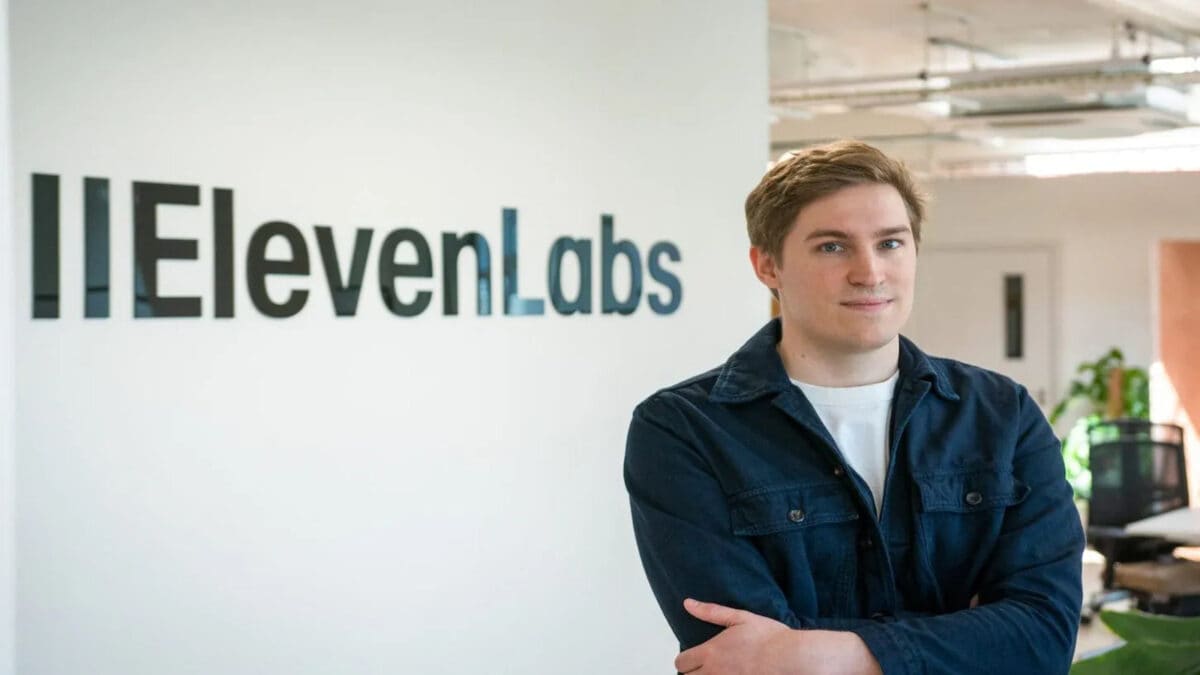
ElevenLabs makes computer technology that can speak and hold conversations.
The company plans to invest hundreds of millions of dollars in India and hire a local team of nearly 100 people by the end of 2026.
It wants Indian languages to help shape its voice technology from the start.
Its latest model supports 14 Indian languages, and the company says it is working to add 22 more.
The CEO thinks India could help test ideas that may later be used in other places.
AI may handle repeated, simple customer calls, while people take on harder conversations and supervise the AI.
The company says its agents already take part in many conversations with businesses and customers in India.
The CEO says customers should currently be told when they are speaking with AI.
He supports safety checks, but says tested technology with safeguards should not face a blanket ban or slowdown.

ElevenLabs plans to invest hundreds of millions of dollars in India, spending a double-digit percentage of funds it has raised, which the article says is close to $1 billion.
The company plans to build an Indian team of nearly 100 people by the end of 2026 and develop voice AI with local teams and languages.
Its technology supports 14 Indian languages; ElevenLabs says it is working to add 22 more and that its agents handle around 100 million conversations annually across those 14 languages.
CEO Mati Staniszewski expects AI to take on repetitive customer-support calls while people handle complex cases, supervise agents and intervene when needed.
Staniszewski supports safety checks and disclosure to customers for now, but opposes a blanket slowdown in AI development.
- Who
- ElevenLabs and co-founder and CEO Mati Staniszewski; the article also quotes country leader Karthik Rajaram.
- What
- ElevenLabs plans a major investment and expansion in India, including a local team and voice AI development for Indian languages.
- When
- The company plans to build a team of nearly 100 people by the end of 2026; the investment timeline is not specified.
- Where
- India.
- Why
- The company sees India as a major market and potential testing ground for voice AI, with many languages and voice-based use cases.
Continue development with safeguards
Slow development when risks are unclear
Pace of AI development
Continue development with safeguards
Staniszewski said tested technologies with appropriate safeguards should continue to be released.
Slow development when risks are unclear
He said companies should slow down when they do not understand a technology’s risks and should build safeguards before release.
Disclosure to customers
Continue development with safeguards
Staniszewski said customers should currently be told when they are speaking with an AI agent.
Slow development when risks are unclear
He expects disclosure to become less important as consumers grow accustomed to AI; customers could also be offered a choice between AI and waiting for a human.
Customer-support roles
Continue development with safeguards
AI may take on repetitive, scripted level-one calls and help businesses handle customer interactions.
Slow development when risks are unclear
People remain important for complex interactions, emotional understanding, judgement, supervision and intervention.
- Planned investment
- Hundreds of millions of dollars; described as a double-digit percentage of funds raised, close to $1 billion.
- Planned Indian team
- Nearly 100 people by the end of 2026.
- Language support
- 14 Indian languages currently supported; the company says it is working to add 22 more.
- Business activity
- Karthik Rajaram said ElevenLabs has worked with 250 enterprises in the region.
- Conversation volume
- Rajaram said the company’s voice agents are involved in around 100 million conversations each year across 14 Indian languages.
- API users
- More than 25,000 developers and businesses in India use the API monthly; the figure grew around 2.5 times over the past year, according to Rajaram.
- Customer disclosure and safety
- Staniszewski said companies should currently disclose AI interactions and support safeguards, while rejecting a blanket slowdown.