

Archive · 5 Aug 2026
Suicide blast at Swat peace rally kills 17 in Pakistan
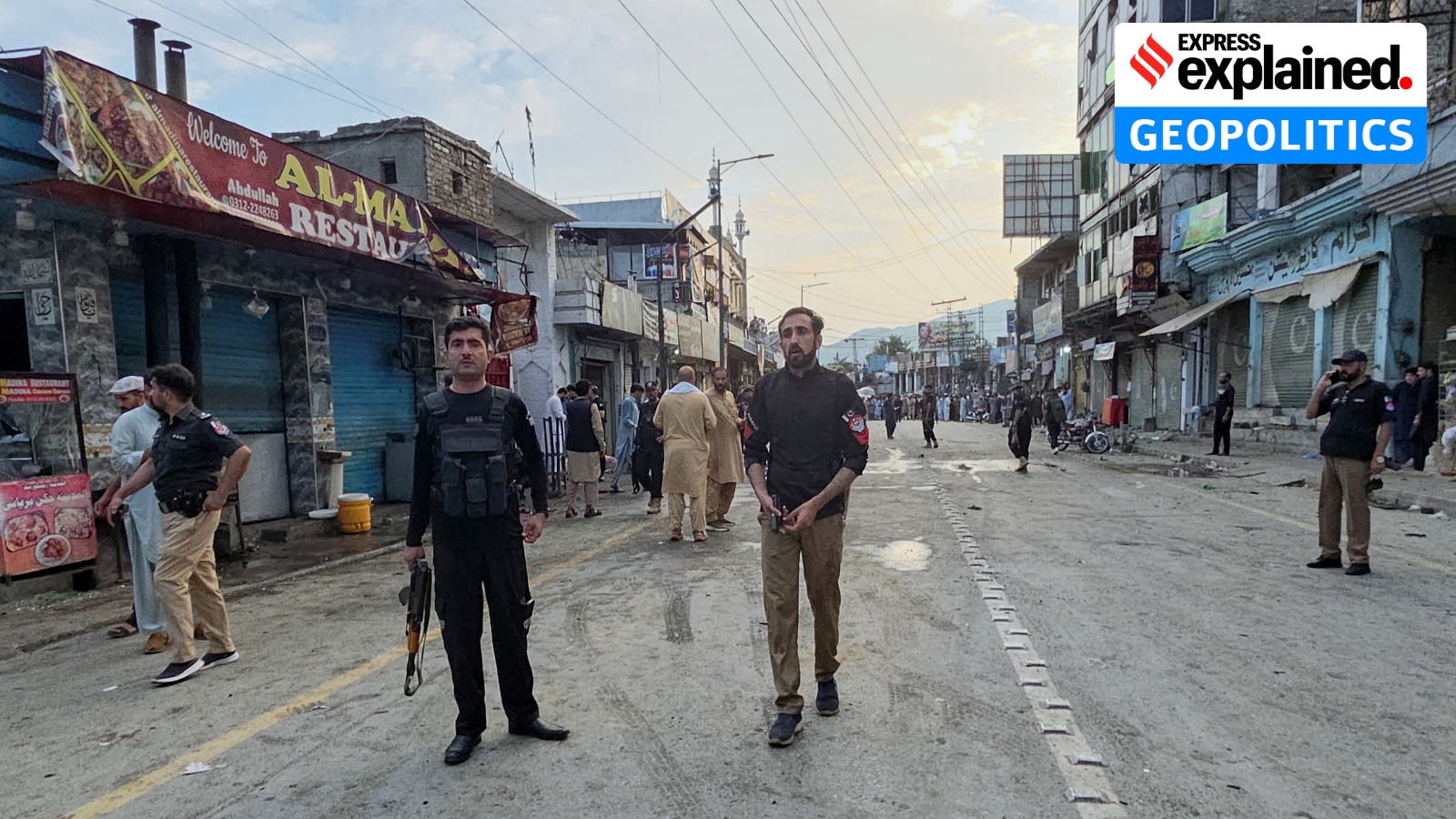
In Pakistan, there is a beautiful valley called Swat.
Some very dangerous people called the Pakistani Taliban used to control that valley.
The people of Swat want peace, so they held a special gathering called a peace rally.
During the rally, a bad person set off a bomb.
The bomb hurt many people, and sadly 17 people died.
Most of the people who died were regular citizens and police officers.
Across Pakistan, many other sad things have happened this year because of terrorism.
More than 800 people, including over 300 soldiers, have been killed.
People in Swat keep holding peace rallies because they want their valley to be safe again.
Other countries are watching closely, because what happens in Pakistan can affect the whole region.

A suicide bombing at the Swat Peace Rally in Kabal, Swat Valley, killed at least 17 people, mostly civilians and police officers, and wounded more than two dozen others.
The rally was organised by the Swat Aman Jirga, a local tribal council, with protesters demanding peace and calm in the valley.
Pakistan recorded 3,145 terrorism incidents in 2026, including 1,971 in Khyber Pakhtunkhwa; over 800 Pakistanis, including more than 300 security personnel, have been killed up to July 2026.
Swat Valley was once a stronghold of the Tehrik-e-Taliban Pakistan (TTP), and residents fear the militants are seeking to regain a foothold in the region.
The blast carries regional implications as Pakistan mediates in the US-Iran war and hosts Chinese investments such as the 884 MW Suki-Kinari Hydropower Project along the CPEC.
- Who
- A suicide bomber, whose victims were mostly civilians and police officers gathered for the Swat Peace Rally organised by the Swat Aman Jirga.
- What
- A suicide blast at an anti-militant peace rally in Kabal, Swat Valley, killed at least 17 people and wounded more than two dozen.
- When
- Sunday, August 2, 2026.
- Where
- Kabal, a town in Swat Valley, Khyber Pakhtunkhwa province, northwestern Pakistan.
- Why
- Residents were protesting against the resurgent presence of militants, fearing the Tehrik-e-Taliban Pakistan (TTP) is seeking to regain a foothold in the valley.
Military/security response
Community/grassroots resistance
How to counter militancy
Military/security response
Pakistan has conducted major counterterrorism operations in Khyber Pakhtunkhwa, such as Operation Zarb-e-Azb and the ongoing Operation Azm-e-Istehkam, which have killed thousands of militants and are seen as necessary to defeat the TTP.
Community/grassroots resistance
Local communities often oppose such operations because of the displacement and destruction they bring, and instead hold peace rallies demanding that the state deliver peace and stability.
Perception of Pashtuns
Military/security response
There is a widespread stereotype that Pashtuns are inherently violent or opposed to peace.
Community/grassroots resistance
Peace rallies demonstrate that resistance to militant groups is a strong grassroots demand in the Pashtun belt, challenging the stereotype that it is merely a military objective imposed from outside.
- Date of attack
- Sunday, August 2 (2026)
- Location
- Kabal, Swat Valley, Khyber Pakhtunkhwa, Pakistan
- Casualties
- At least 17 killed and more than two dozen wounded, mostly civilians and police officers
- Rally organiser
- Swat Aman Jirga (local tribal council)
- 2026 terrorism incidents in Pakistan
- 3,145 total; 1,971 in Khyber Pakhtunkhwa
- Terrorism deaths in Pakistan (until July 2026)
- Over 800, including more than 300 security personnel
- Poverty in Khyber Pakhtunkhwa
- Nearly 48% of the population, per the UNDP Multidimensional Poverty Index
- Afghanistan-Pakistan border
- Durand Line, 2,611 km long, not recognised by Kabul as an international border