1 week ago
CCPA Fines E-Commerce Platform Rs 5 Lakh Over Unsafe Toys
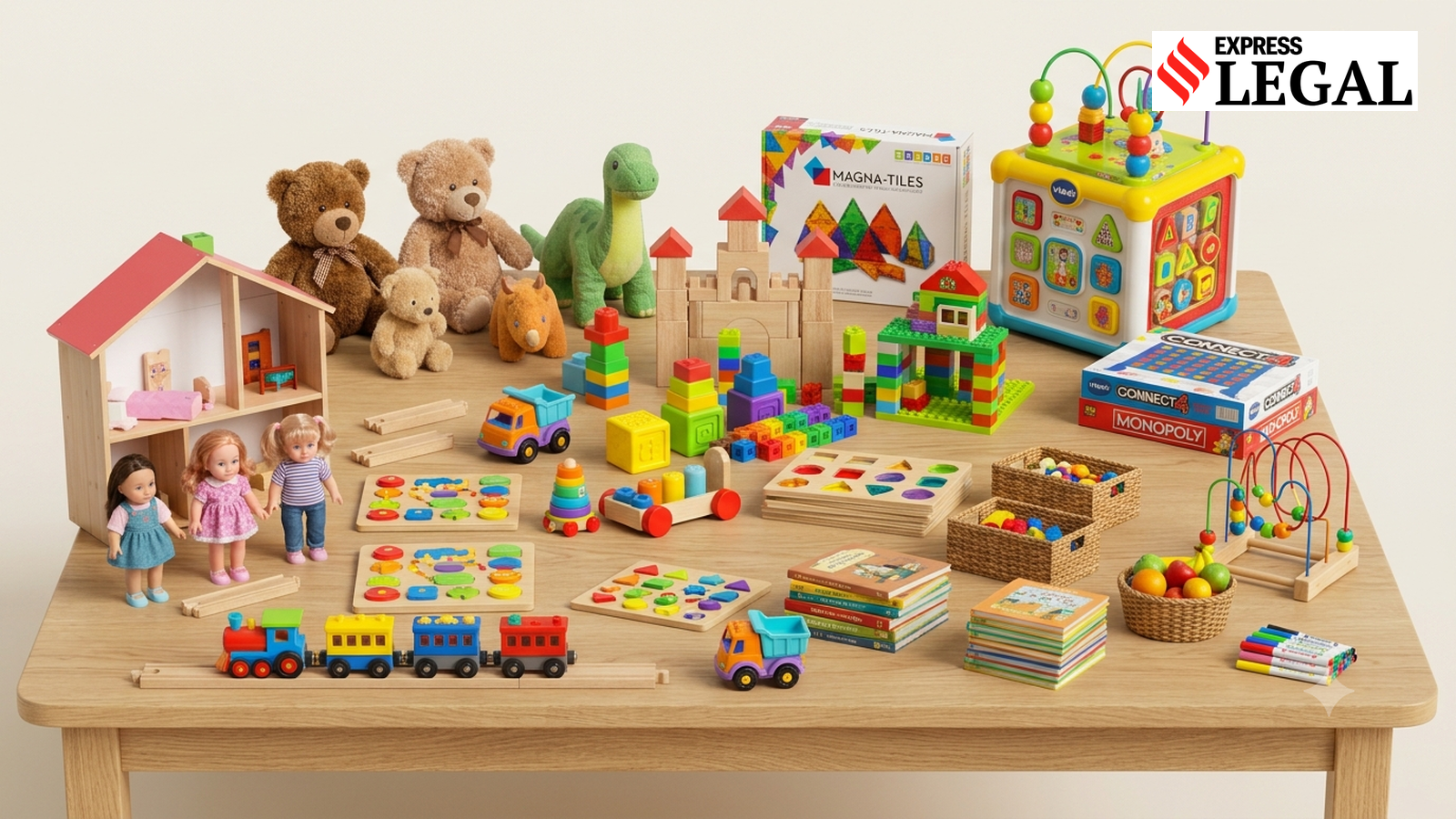
India’s consumer regulator fined an online shopping platform Rs 5 lakh.
The case involved toys that did not meet required safety standards.
These standards are set through rules connected to the Bureau of Indian Standards.
The regulator said unsafe toys could seriously hurt children.
The platform said it only connected sellers and buyers and should not be responsible for sellers’ products.
The regulator disagreed because the platform helped list, advertise and sell the toys.
It also said the platform did not remove the toys quickly after learning about them.
The regulator concluded that the platform had engaged in unfair trade practices and misleading advertising.

The CCPA fined an unnamed e-commerce platform Rs 5 lakh over sales of toys lacking mandatory BIS certification.
The regulator said the toys failed standards under the Toys Quality Control Order and posed safety risks to children.
The platform argued it was legally exempt from liability for third-party listings and only facilitated transactions between sellers and buyers.
The CCPA said the platform actively listed, hosted, advertised and facilitated sales, giving it regulatory responsibilities under consumer law.
The regulator said the platform earned Rs 1.42 lakh from four sellers and failed to promptly remove non-compliant toys after receiving notice.
- Who
- The Central Consumer Protection Authority fined an unnamed e-commerce platform; the platform defended itself through its lawyers.
- What
- The CCPA imposed a Rs 5 lakh penalty for allowing the sale of toys that lacked mandatory BIS certification.
- Where
- The non-compliant toys were listed and sold on the e-commerce platform’s website.
- When
- The CCPA’s order was dated August 19; the Toys Quality Control Order took effect on January 1, 2021.
- Why
- The CCPA said the toys violated mandatory standards, posed safety risks to children, and were not promptly removed after the platform received notice.
CCPA’s Position
E-Commerce Platform’s Defense
Responsibility for listings
CCPA’s Position
The CCPA said the platform played an active role by listing, hosting, advertising, categorising and facilitating transactions, so it could not avoid consumer-law duties through its platform design.
E-Commerce Platform’s Defense
The platform said it was only a technology marketplace connecting buyers and sellers, and that responsibility for BIS compliance rested with manufacturers, importers, distributors or sellers.
Liability for third-party products
CCPA’s Position
The CCPA rejected the platform’s position after finding that it continued allowing sales of non-compliant toys even after receiving actual knowledge of the listings.
E-Commerce Platform’s Defense
The platform argued it was legally exempt from liability for third-party information, data or communication links hosted on its service.
Consumer protection
CCPA’s Position
The CCPA said displaying or facilitating sales of uncertified toys falsely guaranteed product quality and denied consumers information about standards and protection from hazardous goods.
E-Commerce Platform’s Defense
The platform maintained that it complied with the obligations applicable to marketplace e-commerce entities and should not be accused of unfair trade practices over third-party goods.
Key facts
- Penalty
- Rs 5 lakh
- Regulator
- Central Consumer Protection Authority
- Product
- Toys lacking mandatory BIS certification
- Applicable rules
- Toys Quality Control Order 2020
- Effective date of QCO
- January 1, 2021
- Commercial benefit cited
- Rs 1.42 lakh from four sellers
- Alleged violations
- Unfair trade practice and false and misleading advertisement
Quotes
Central Consumer Protection Authority
India’s consumer-protection authority, whose order imposed the penalty.
“In the present case, it is clearly established that the sale of toys is in violation of the mandatory standards notified in the QCO and high safety risk for children, which could lead to severe harm or injury.”
 indianexpress.com
“regulatory obligations under consumer law must be determined by the functional role and consumer impact of the platform, and cannot be avoided by platform design choices or self-characterisation”
indianexpress.com
Sources
Related news

CCPA fines Amazon over misleading Ram Mandir prasad listings

CCPA Fines Dial4Trade Rs 10 Lakh Over Ammonium Nitrate Listing

Amazon Fined Rs 1 Lakh Over Misleading Prasad Listings

Man wins Rs 60,000 from Myntra over undelivered gold coin

India's CCPA Fines Nine Platforms Over Deceptive 'Dark Patterns'
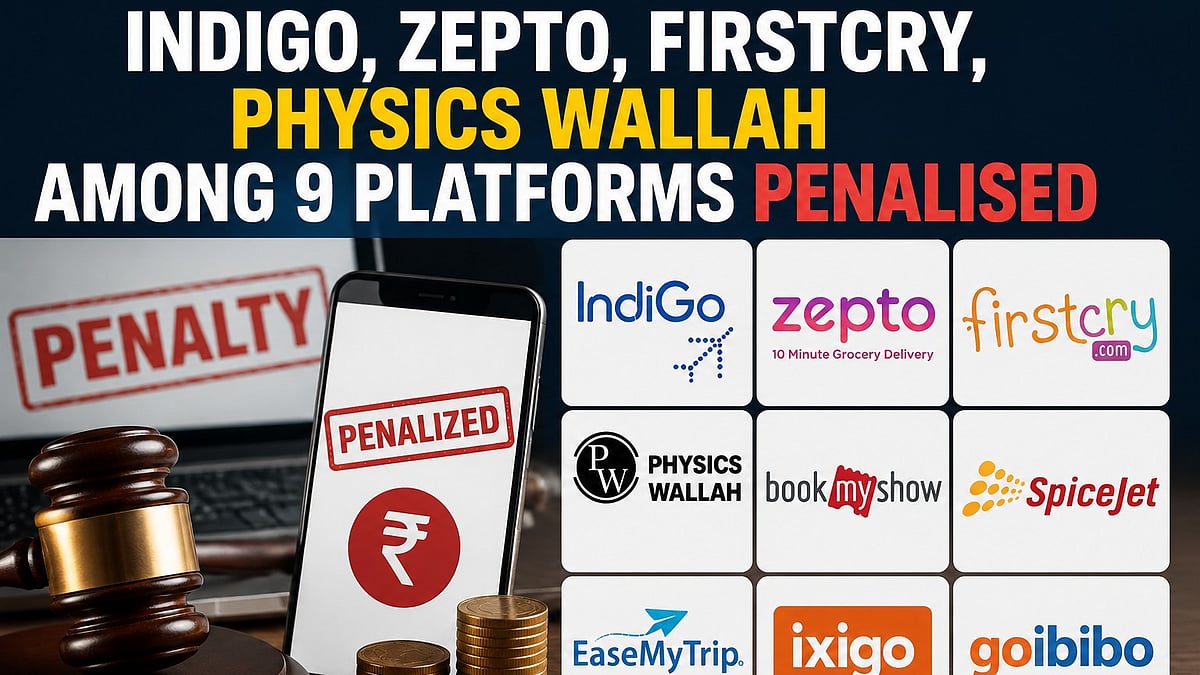
CCPA Penalises IndiGo, Zepto, Physics Wallah for Deceptive Dark Patterns