Archive · 8 Nov 2025
Interstellar Comet 3I/ATLAS Nears Sun, Sparks Speculation
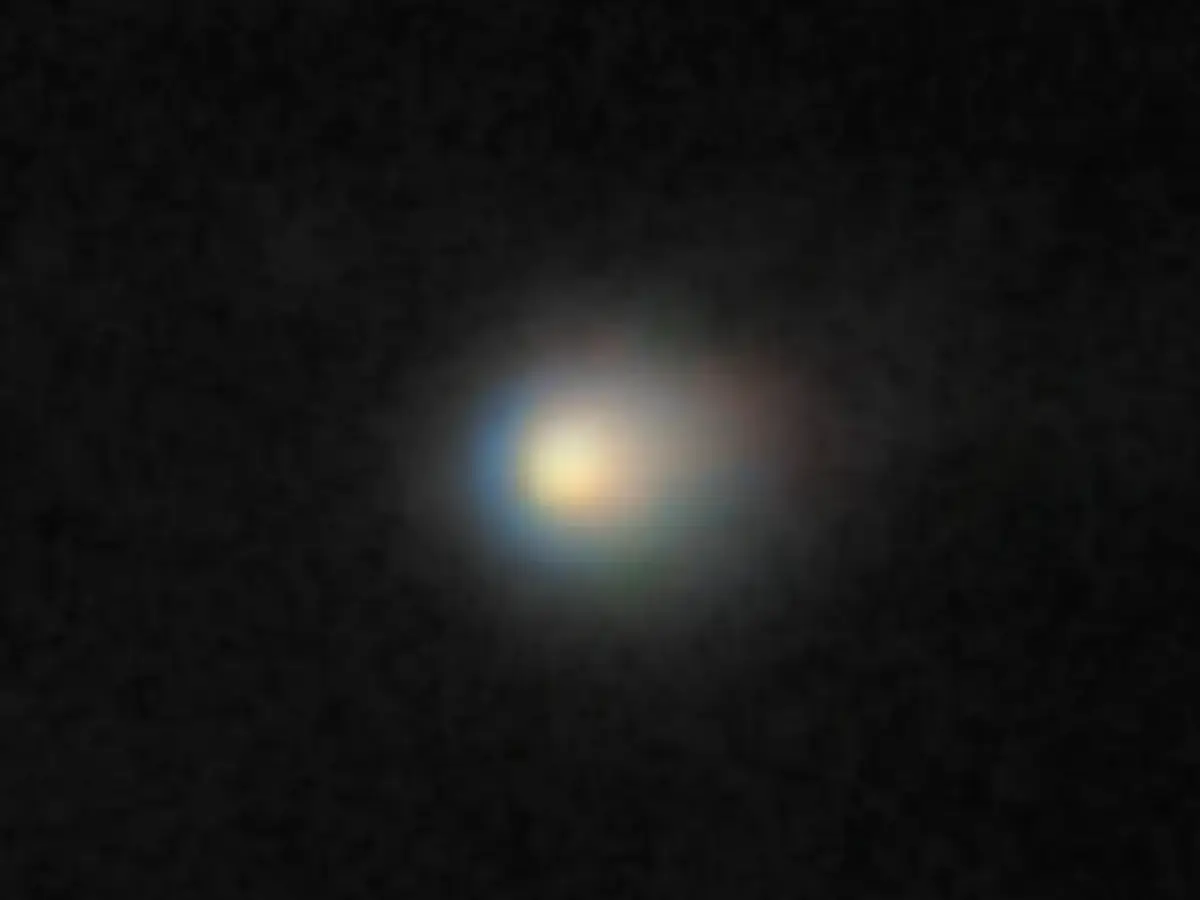
A special visitor from another star system, called comet 3I/ATLAS, recently came closest to our Sun on October 30.
It was about 130 million miles away, which is still very far but closer than Earth is to the Sun.
As it got closer, the ice and gas on the comet started to turn into vapor and float away, like a trail, which is normal for comets.
This visitor is very interesting because it's not from our solar system, making some people wonder if it's something made by aliens.
Even a scientist named Avi Loeb thought about this, but now thinks it's probably just a natural comet.
If you want to see it, you'll need a big telescope, and it should appear in the sky before dawn starting around November 11.

Comet 3I/ATLAS, an interstellar object, reached its closest point to the Sun (perihelion) on October 30, approximately 130 million miles away.
As it neared the Sun, the comet was expected to shed mass due to the vaporization of its frozen gases.
This celestial object's journey through our solar system has fueled speculation about its origins, with some theories suggesting it could be alien technology.
While initially considered a possibility by some, including astrophysicist Avi Loeb, a natural cometary origin is now deemed most likely.
Comet 3I/ATLAS is expected to be visible again around November 11 in the eastern sky before dawn, but will require a large telescope for observation.
- Who
- Comet 3I/ATLAS, European Space Agency, Avi Loeb
- What
- Interstellar comet 3I/ATLAS reached its perihelion and is shedding mass. It is expected to become visible again with powerful telescopes, with its origins sparking speculation.
- When
- Perihelion on October 30; expected visibility around November 11.
- Where
- The solar system.
- Why
- The comet's interstellar origin and unique characteristics have led to scientific interest and public speculation about its nature.
Natural Origin
Potential Artificial Origin
Nature of Comet 3I/ATLAS
Natural Origin
The European Space Agency expects the comet to shed mass as its frozen gases vaporize, a typical behavior for a natural comet approaching the sun. Astrophysicist Avi Loeb now states the object is 'most likely a comet of natural origin.'
Potential Artificial Origin
While Avi Loeb has since tempered his views, he has not entirely dismissed the possibility that Comet 3I/ATLAS could be an artificial construct.
- Comet Name
- 3I/ATLAS
- Event
- Perihelion (closest approach to the Sun)
- Date of Perihelion
- October 30
- Distance from Sun at Perihelion
- Approximately 130 million miles
- Expected Re-visibility
- Around November 11
- Viewing Location
- Eastern sky before dawn
- Viewing Requirement
- Large telescope (at least 8 inches / 20 cm diameter)
- Observed Behavior
- Shedding mass as frozen gases vaporize
Sources
NASA data shows 3I/ATLAS suddenly sped up, changed path after perihelion
'Other Atlas' turns GOLDEN following trip to the Sun that should have shredded it to pieces
Comet 3I/ATLAS Live Tracker: Latest Location, Visibility, Live Stream, Date, How To Watch And Sky Map
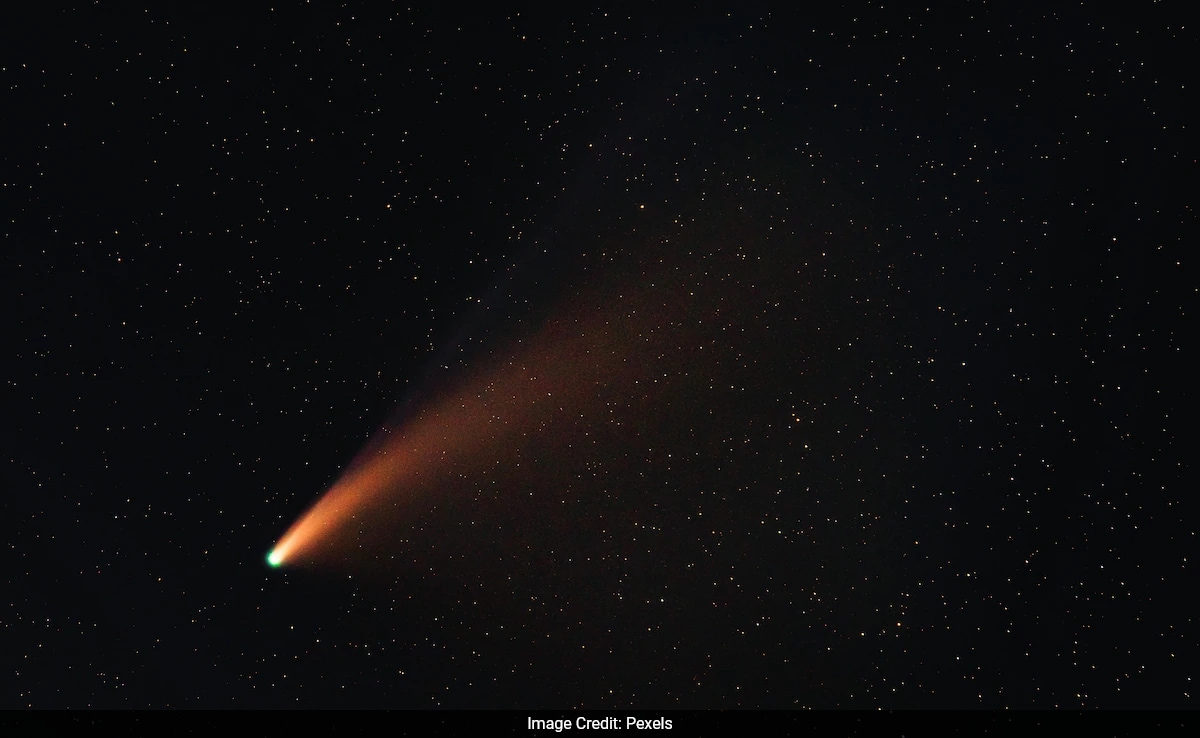
Rare Golden Comet Amazes Skywatchers After Surviving Sun - Here's How You Can See It
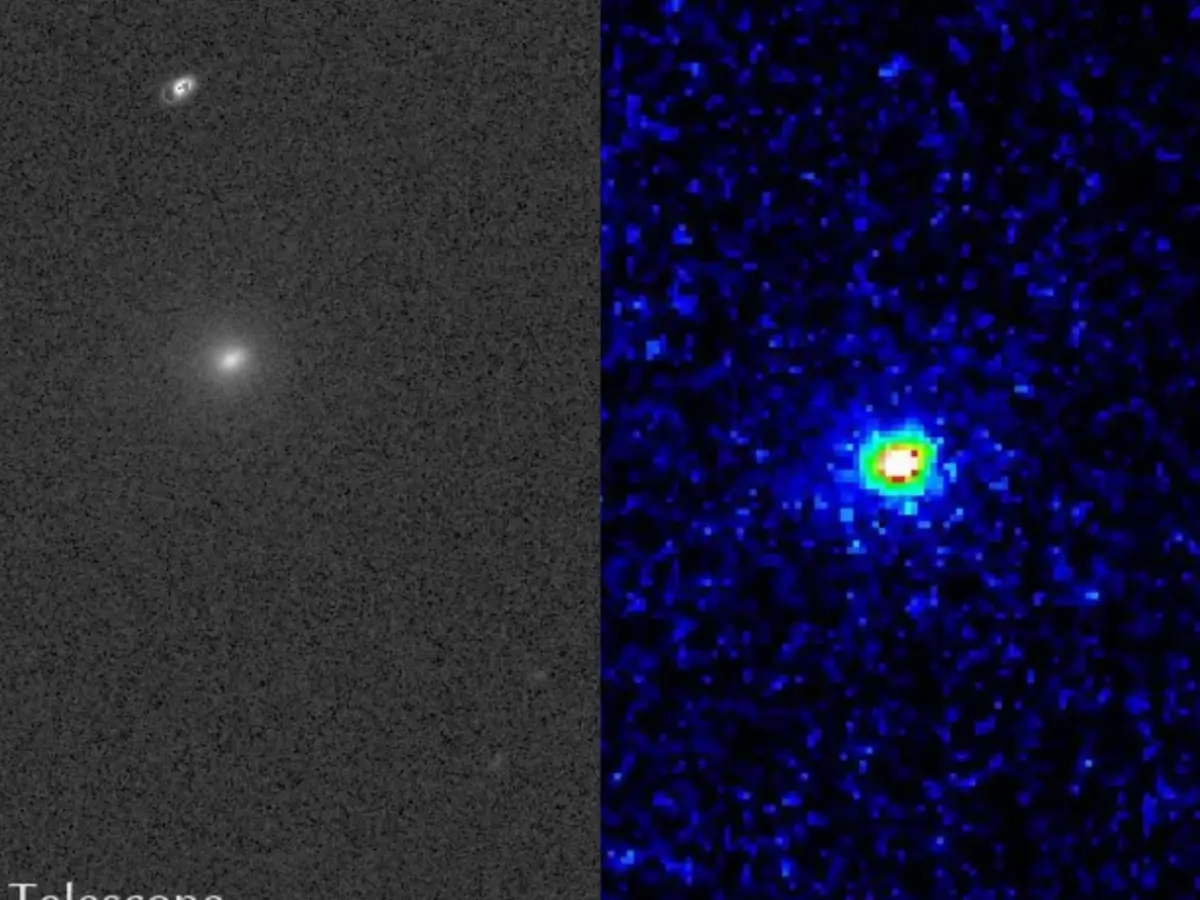
3I/ATLAS post-perihelion photos and China's Mars orbiter image show a tail-less fuzzy dot
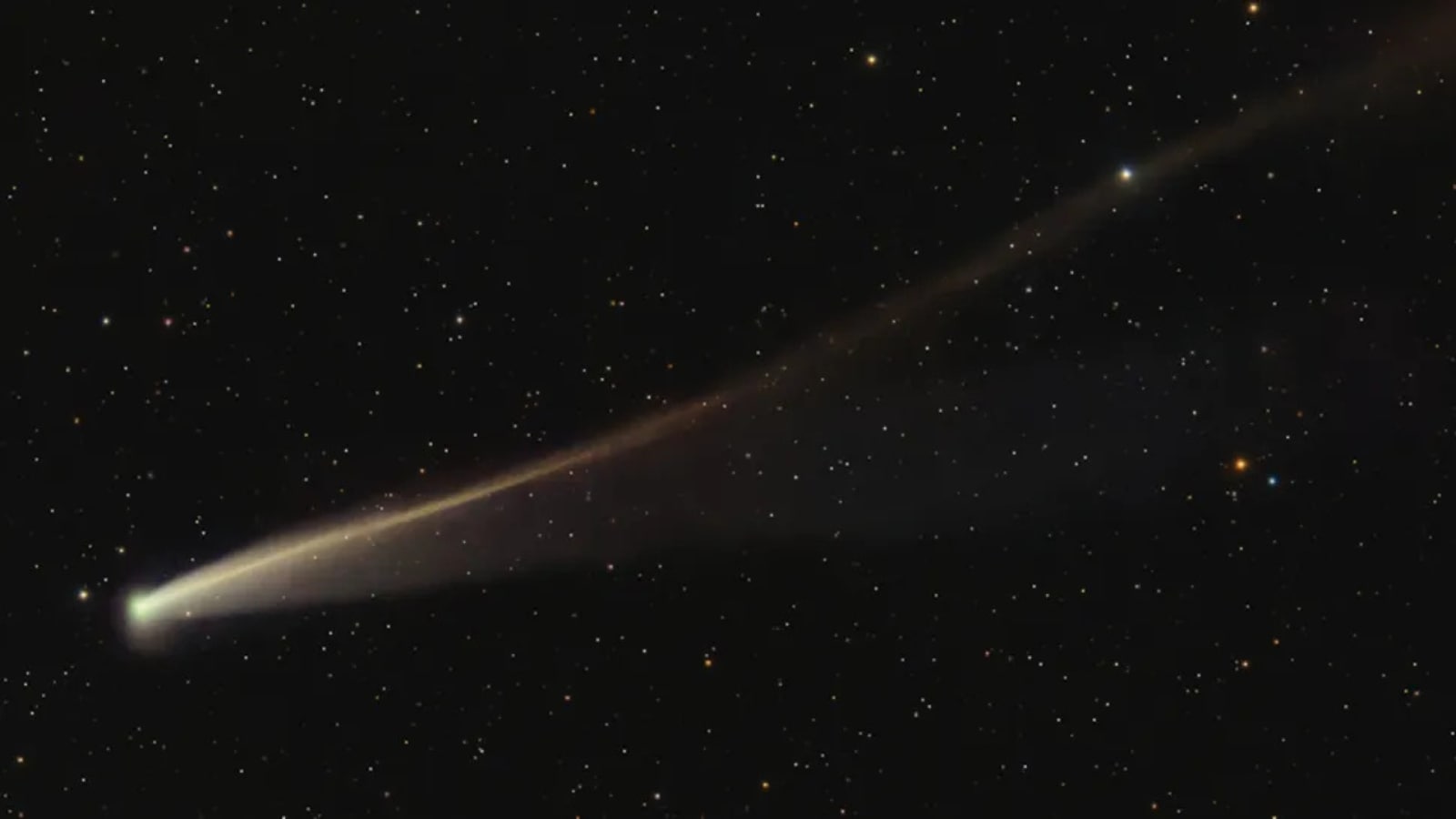
Comet C/2025 K1 (ATLAS) defies odds, glows golden after close encounter with the Sun

‘Alien’ 3I/ATLAS hurtling towards solar system: What we know about the interstellar comet that has piqued curiosity