2 days ago
Winter Safari Guide Urges Visitors to Protect Wildlife

A wildlife safari is a visit to an animal's home, not a trip to a zoo.
Tigers, elephants, and other animals can react quickly if people frighten or crowd them.
Visitors should wear comfortable, quiet-coloured clothing and bring binoculars.
They should speak softly and listen to their guides.
People must stay inside the vehicle unless staff say it is safe to get out.
They should never feed animals, make noises to attract them, or chase them for a better photograph.
Visitors should take their rubbish away and leave plants and other natural objects where they are.
A safari can still be successful even if no tiger appears.
Seeing birds, tracks, or an alarm call can also be memorable parts of the experience.

Visitors to India's wildlife reserves are urged to treat safaris as encounters with wild animals, not zoo visits.
The National Tiger Conservation Authority advises tourists to remain quiet, stay inside vehicles, and avoid approaching or provoking animals.
Tourists should never chase, crowd, feed, bait, or deliberately attract wildlife for photographs.
Authorities fined operators of three vehicles Rs 25,000 each after vehicles reportedly trapped a tiger near Pilibhit Tiger Reserve in December 2025.
A February 2024 elephant encounter in the Bandipur landscape, in which tourists left their vehicle, resulted in one tourist being fined Rs 25,000.
- Who
- Safari visitors, guides, drivers, vehicle operators, and wildlife in India's reserves and sanctuaries.
- What
- A guide urges tourists to follow safety and conservation rules during winter safaris.
- Where
- India's tiger reserves, national parks, and wildlife sanctuaries, including Pilibhit Tiger Reserve and the Bandipur landscape.
- When
- The advice is issued as winter approaches; it cites incidents from February 2024, December 2025, and January 2026.
- Why
- To protect visitors, prevent disturbance to wildlife, and reduce unsafe crowding and pursuit of animals.
Key facts
- Recommended clothing
- Layered, comfortable clothing in muted colours such as olive, brown, beige, or grey; closed shoes and a cap are recommended.
- Vehicle rule
- Visitors should remain inside safari vehicles unless authorised staff say it is safe to leave.
- Pilibhit incident
- In December 2025, tourists reportedly left a vehicle after spotting a tiger, while two vehicles reportedly hemmed in another tiger.
- Pilibhit penalties
- In January 2026, operators of three vehicles were fined Rs 25,000 each and told their vehicles would not be registered for future safaris.
- Bandipur incident
- In February 2024, two tourists got out to photograph an elephant; one tourist was later fined Rs 25,000.
- NTCA guidance
- The National Tiger Conservation Authority says visitors should not walk inside safari areas or leave vehicles without authorisation.
- Vehicle spacing
- A 2020 advisory from the National Tiger Conservation Authority called for a minimum 500-metre distance between safari vehicles in tiger reserves.
Sources
Related news
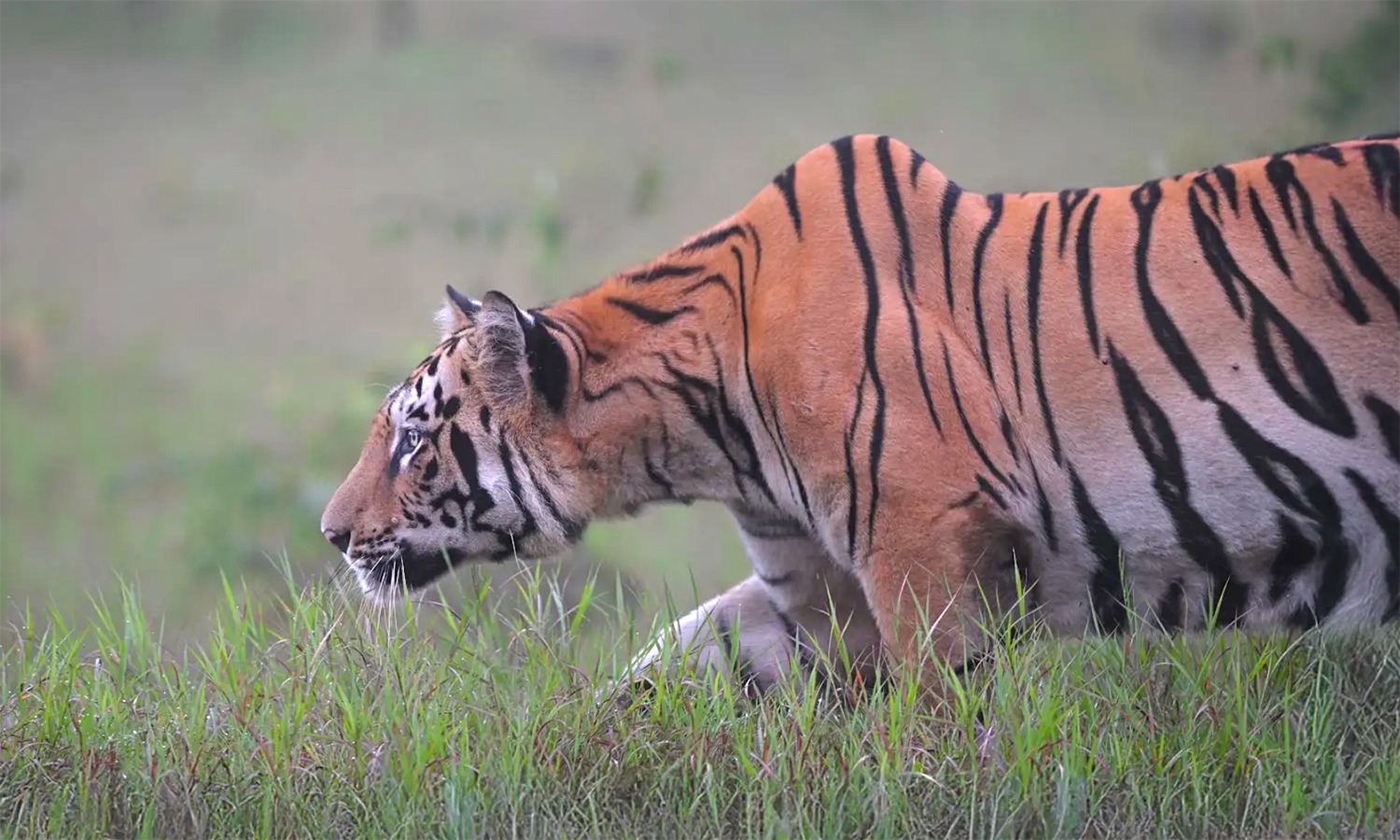
Wildlife Tourism Urged to Look Beyond Tiger Sightings

Tigress Charges at Highway Crowd Filming Her in Madhya Pradesh

Rajasthan Police Launches 24/7 Ranthambore Tourist Helpline October 1
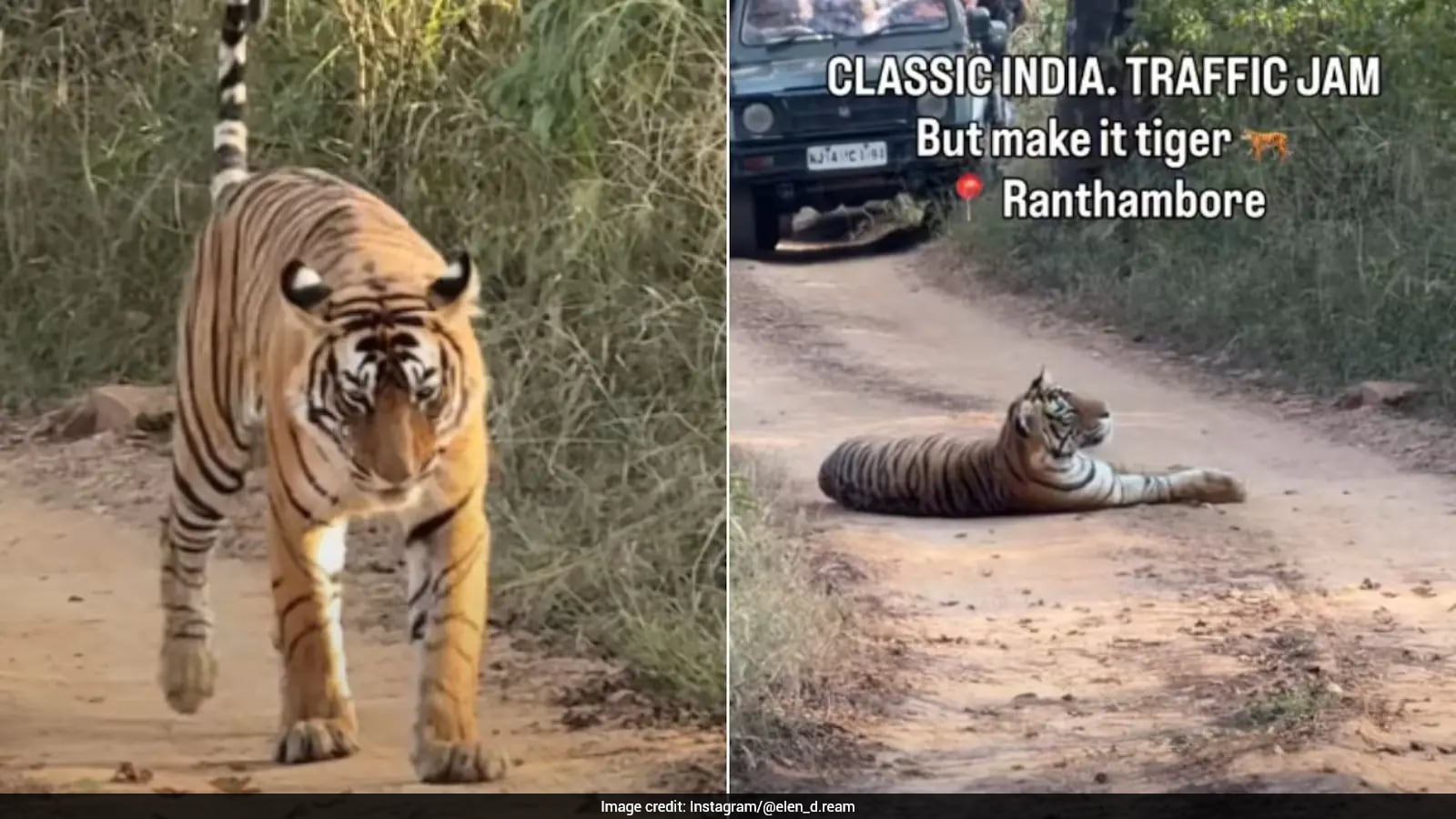
Tiger’s Afternoon Nap Creates Traffic Jam at Ranthambore Safari

The Forest Teaches Us How to See Tigers

Celebrity-Approved Wildlife Safari Destinations Across India Highlighted
Pilibhit Tiger Reserve Extends Tourism Season Through June 30
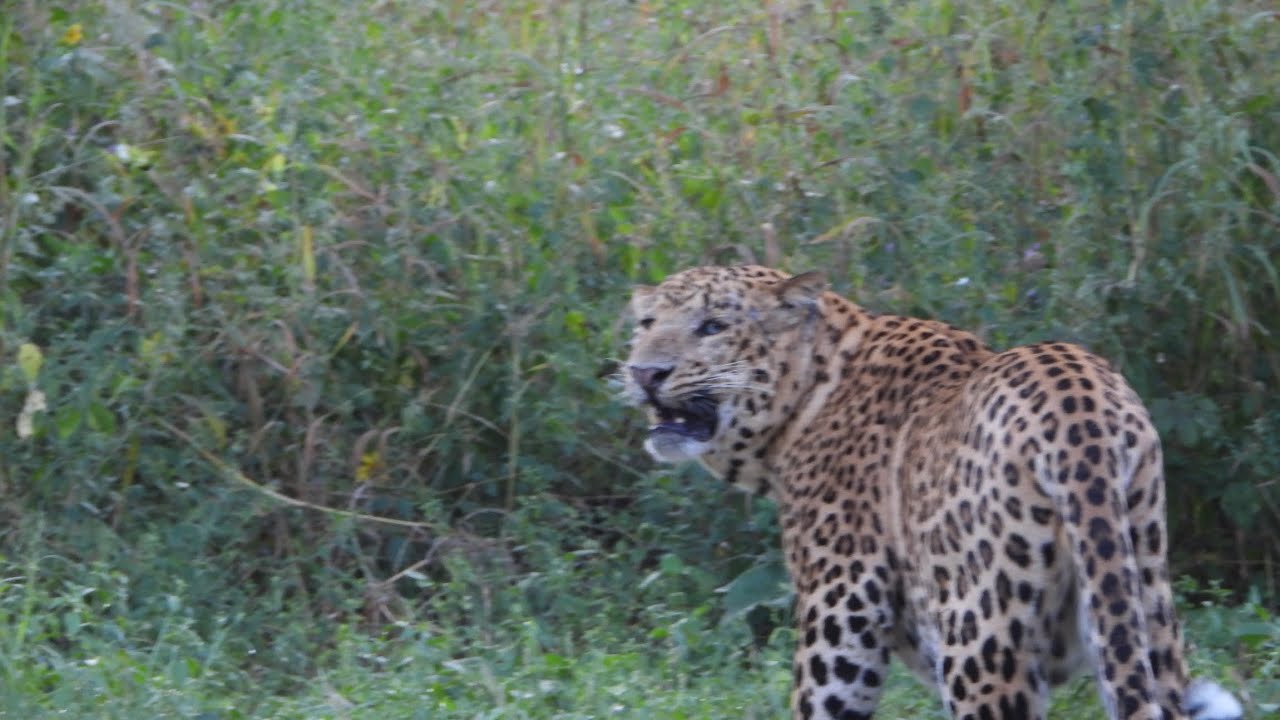
Uttar Pradesh Releases Rs 1 Crore for Pilibhit Leopard Safari

Injured Tigress Dies During Treatment in Pilibhit Tiger Reserve
Tigers Stroll on Safari Tracks in Pilibhit Reserve