

1 hr ago
How Mental Health Diagnoses Became Everyday Slang
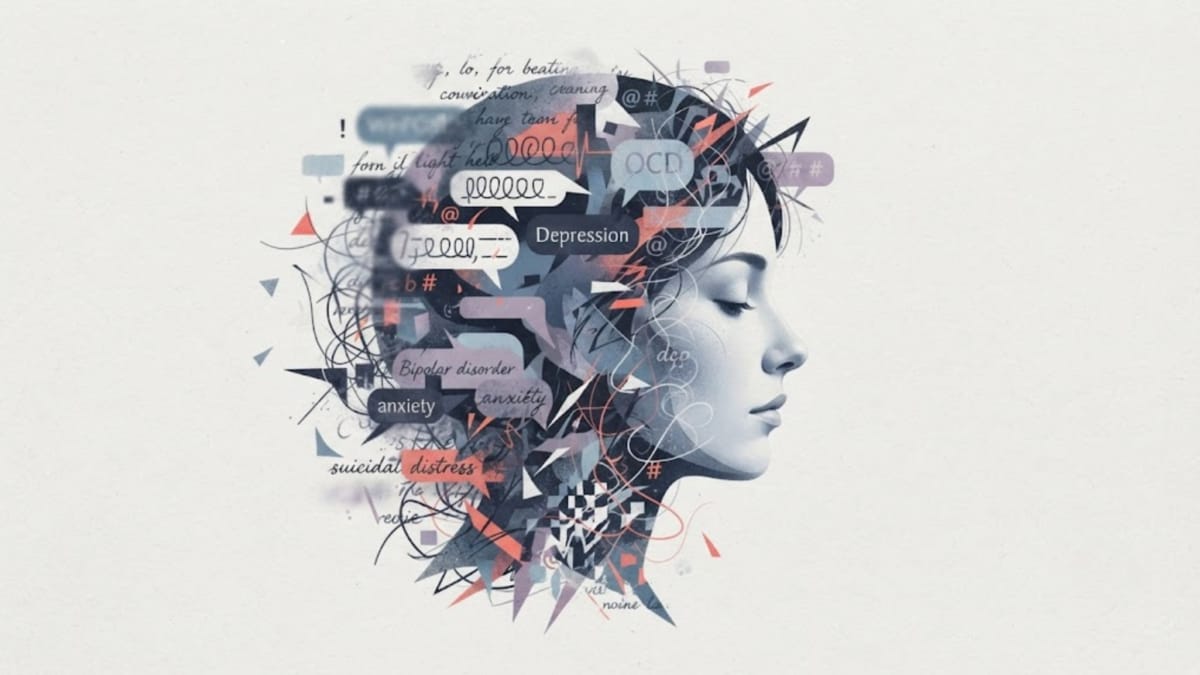
People sometimes use names of mental health conditions to describe everyday things, like liking a tidy room or having a bad day.
But these names refer to real conditions that can make life very difficult.
OCD is more than liking things neat, and depression is more than feeling sad for a little while.
Bipolar disorder is more than changing your mind or mood.
Online, people may use phrases like “unaliving” as slang or humour.
Sometimes, though, those words can mean someone is truly hurting.
The article says to pay attention to the situation instead of assuming it is always a joke.
Using these words carefully can help us understand and respect people who live with mental health conditions.

Clinical terms such as OCD, bipolar, depressed and psychotic are increasingly used to describe ordinary preferences, moods or conflicts.
The article distinguishes everyday sadness from depression, which can affect daily functioning and generally involves symptoms lasting at least two weeks for a major depressive episode.
OCD involves unwanted recurring thoughts and/or compulsions that can cause distress and disrupt daily life; liking order alone does not mean someone has OCD.
Bipolar disorder involves significant episodes affecting mood, energy, activity, thinking and behaviour—not simply changing plans or moods.
Online phrases such as “unaliving” may be slang or dark humour, but similar language can also signal real distress and should not automatically be dismissed.
- Who
- People who use mental health terms in everyday conversation, and people living with the conditions those terms describe.
- What
- An article examines how clinical mental health language has become everyday slang and explains the differences between casual use and clinical conditions.
- Where
- In everyday conversation and online spaces, including Instagram and X; the article is published by News18.
- When
- Published October 10, 2026, for World Mental Health Day 2026.
- Why
- The article argues that casual use can weaken recognition of the seriousness of diagnoses, while noting that humour and euphemisms can also make difficult topics easier to discuss.
Reasons for casual mental-health language
Concerns about casual mental-health language
Humour and openness
Reasons for casual mental-health language
Casual or humorous language can make an intimidating subject easier to discuss, and online mental-health content can help younger audiences encounter these topics.
Concerns about casual mental-health language
When clinical words become detached from their meanings, people may lose sight of the distress and disruption associated with the conditions.
Interpreting suicide-related phrases
Reasons for casual mental-health language
“Unaliving” can be an internet euphemism shaped partly by platform restrictions, or may be used as dark humour.
Concerns about casual mental-health language
Similar phrases can reflect genuine emotional distress, so repeated comments about wanting to die or feeling hopeless should not automatically be dismissed as jokes.
Key facts
- Publication date
- October 10, 2026
- Occasion
- World Mental Health Day 2026
- Examples of casual terms
- OCD, bipolar, depressed, traumatised, psychotic, triggered and anxious
- Depression timeframe stated
- Symptoms for a major depressive episode generally persist for at least two weeks and cause significant distress or impairment.
- ADHD terminology
- ADD is described as an outdated term generally understood within the broader diagnosis of ADHD.
- “Unaliving”
- An internet euphemism for suicide and death-related content, used partly where platforms may restrict explicit terminology.
- Support information
- The article lists mental health helplines in several Indian cities.
Sources
Related news
Merriam-Webster Adds 1,400 Words, Led by Internet Slang

Merriam-Webster Adds 1,400 New Words Including Internet Slang

Merriam-Webster Adds 1,400 New Words Reflecting Gen Z Language

How Incel Slang Reached Campuses—and Carried Toxic Ideology

Kubbra Sait Shares Mental Health Advice on World Mental Health Day

How Disappearing Words Reflect Our Changing Social Lives

Musk Escalates Criticism Over Starlink’s Delayed India Entry

Rider Survives Dramatic Alps Off-Road Detour During Overtake

Rashid Khan Hosts Irfan and Yusuf Pathan for Afghan Feast

Hyderabad Commissioner Flags Fake Image Misusing His Likeness
