

Archive · 31 Jul 2026
Ceuta Migration Surge Sparks EU Border Crisis
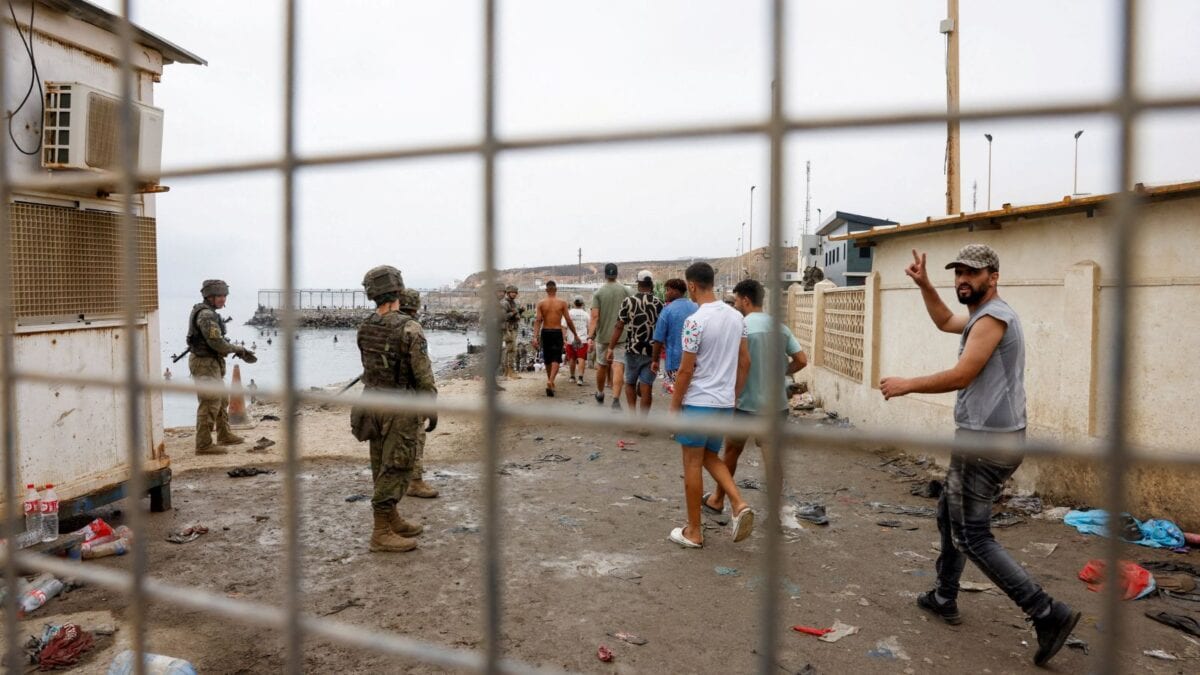
Imagine a small town in Spain called Ceuta, which is surrounded by Morocco.
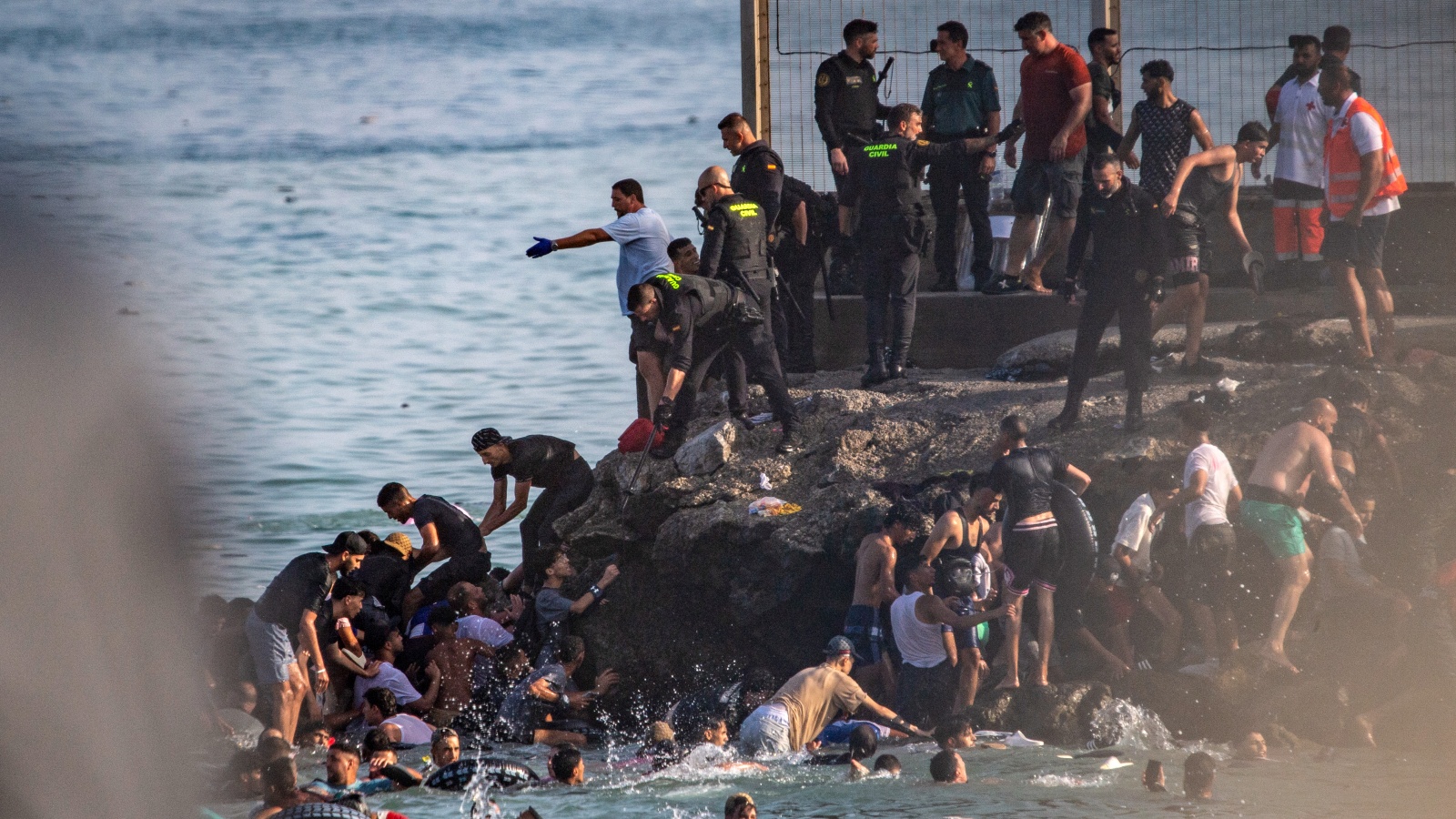
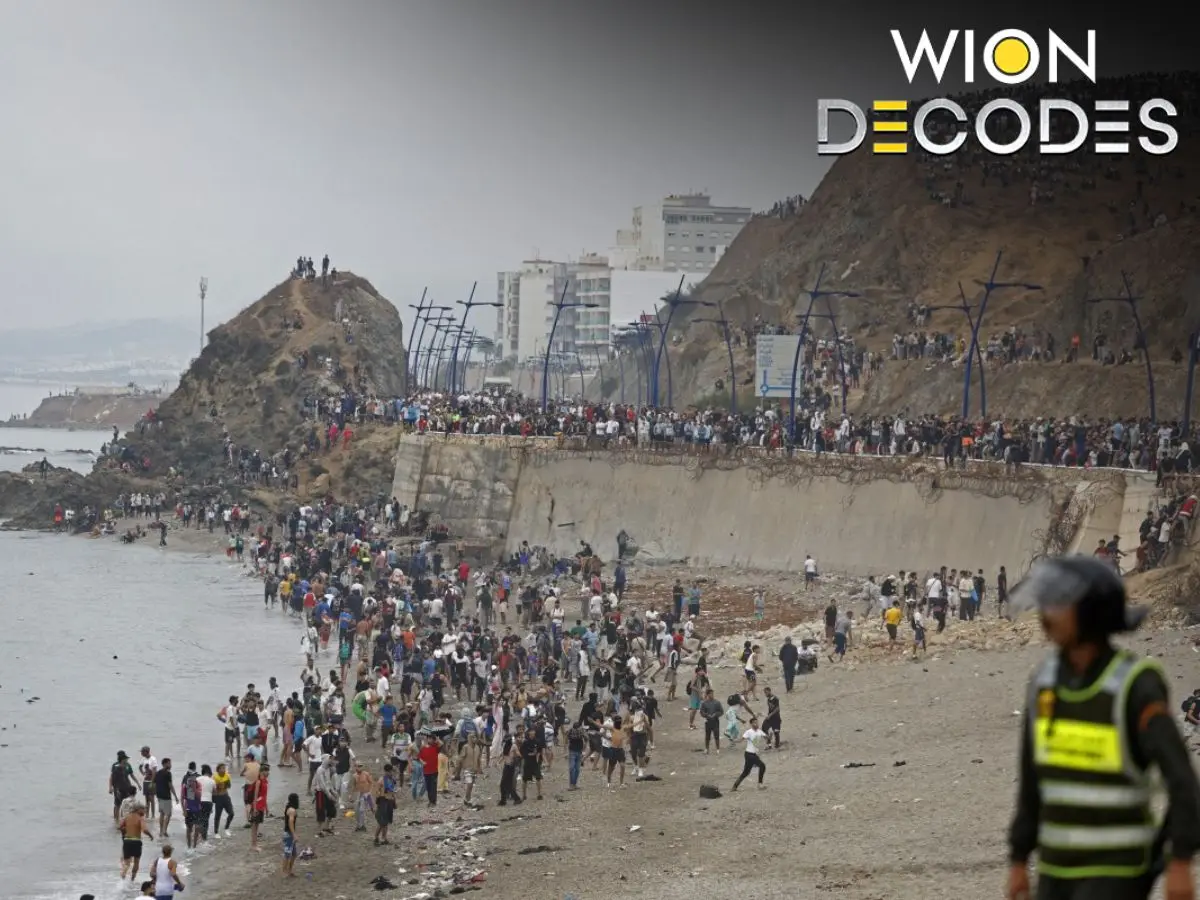
On one day, almost 50,000 people from Morocco and other nearby places tried to enter Ceuta by swimming or crossing a fence.
Many people died trying to get in.
The town got too crowded, and the police and soldiers had to step in to stop the crowd.
Some European countries, like Italy, said they might close their borders to Spain to keep people out.
Spain and Morocco worked together to stop more people from coming in.

Over 49,000 migrants crossed into Ceuta in 24 hours, the largest surge since 2021.
At least 18–19 people died during the crossing, with many drowning or in stampedes near the border fence.
Spanish authorities blame a Supreme Court ruling limiting immediate expulsion of sea-intercepted migrants and trafficking networks for the surge.
Spain deployed troops, reinforced the border fence, and used water cannons, while Morocco also reinforced security to halt crossings.
European leaders reacted sharply: Italy and Finland threatened to suspend Spain from the Schengen Area, while France increased border checks.
- Who
- Migrants from Morocco and sub-Saharan Africa, Spanish and Moroccan authorities, European leaders (Italy, Finland, France)
- What
- Mass migration surge into Ceuta overwhelmed local authorities, causing a humanitarian crisis and EU political tensions
- When
- July 30-31, 2026
- Where
- Ceuta (Spain) and Fnideq (Morocco)
- Why
- Supreme Court ruling limiting immediate expulsion of sea-intercepted migrants, trafficking networks, and economic migration pressures
Spanish and EU Authorities' Response
Criticism from Italy and Finland
Cause of the Migration Surge
Spanish and EU Authorities' Response
Spanish authorities attribute the surge to a Supreme Court ruling limiting immediate expulsion of sea-intercepted migrants and to trafficking networks exploiting this loophole.
Criticism from Italy and Finland
Critics, including Italian and Finnish leaders, argue the surge is a result of Spain's recent mass amnesty for undocumented migrants, which they claim encourages human trafficking and illegal crossings.
Response to the Crisis
Spanish and EU Authorities' Response
Spain deployed troops, reinforced the border fence, and coordinated with Morocco to halt crossings. Prime Minister Pedro Sánchez visited Ceuta to assess the situation.
Criticism from Italy and Finland
Italy and Finland proposed suspending Spain from the Schengen Area, citing failures in border protection. France increased border checks with Spain in response.
EU Solidarity and Policy
Spanish and EU Authorities' Response
Spain called for European solidarity, emphasizing the need for shared responsibility in managing migration flows.
Criticism from Italy and Finland
Italy and Finland accused Spain of failing to protect the EU's external borders, demanding stricter enforcement and potential suspension from Schengen.
- Number of migrants
- 49,000 (estimated)
- Deaths
- 18-19 (reported)
- Date
- July 30-31, 2026
- Location
- Ceuta, Spain (North African enclave)
- Border type
- EU's only land border with Africa
- Spanish response
- Deployed troops, reinforced fence, deployed water cannons
- EU reactions
- Italy and Finland threatened to suspend Spain from Schengen; France increased border checks
- Court ruling cited
- Supreme Court barred immediate return of sea-intercepted migrants
Sources
18 Killed As Thousands Breach Morocco Border Near Spain's Ceuta. What Triggered The Migrant Crisis?
Why thousands of migrants suddenly crossed into Spain’s Ceuta enclave
Spain migrant crisis: 49,000 cross border from Morocco in 24 hours – What is happening in Ceuta?

Spain, Morocco halt deadly rush on Spanish enclave after 49,000 cross in a day