

Archive · 16 Nov 2025
Arctic Fossils Reveal Rapid Recovery of Marine Life Post-Extinction
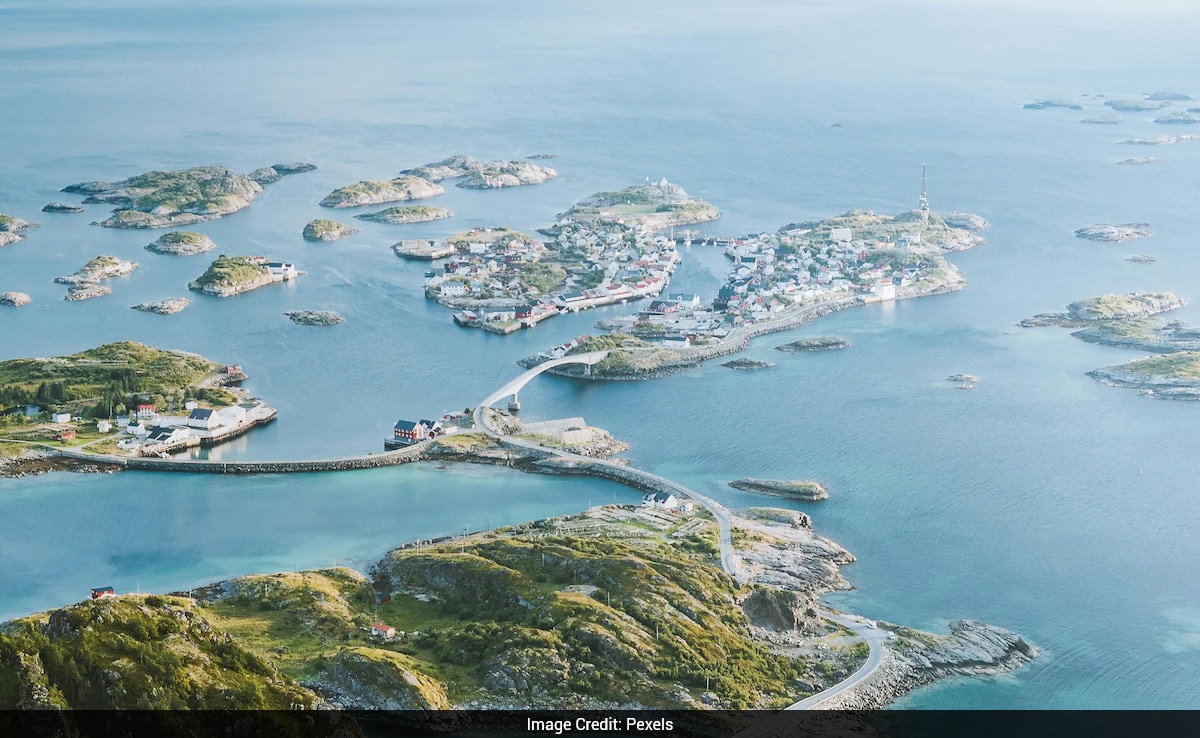
Imagine a time long, long ago, even before the big dinosaurs walked the Earth, when a giant disaster wiped out almost all life in the oceans.
Scientists found a treasure trove of old bones and teeth on a cold Arctic island.
These fossils are like a message from the past, showing us that even after this terrible event, sea creatures like big reptiles and sharks came back much faster than we thought.
It used to be believed that it took many, many years for the oceans to heal, but these Arctic finds suggest that new ocean families and food chains were forming surprisingly quickly.
It shows how life on Earth is really good at bouncing back after big problems.

Over 30,000 fossils of ancient marine reptiles, amphibians, bony fish, and sharks were found on the Arctic island of Spitsbergen.
The fossils date back to approximately 249 million years ago, shortly after the end-Permian mass extinction ('Great Dying').
Discoveries include teeth, bones, scales, and fossilized feces, indicating the presence of complex food chains.
The findings suggest marine ecosystems regenerated much more rapidly than previously believed, with land animals adapting to ocean life quickly.
The research, published in the journal Science, challenges the long-held view that marine life took about eight million years to recover after the extinction.
- Who
- Scientists from the Natural History Museum of the University of Oslo and the Swedish Museum of Natural History
- What
- Discovered over 30,000 fossils of ancient marine reptiles, amphibians, bony fish, and sharks, revealing rapid recovery of marine ecosystems after a mass extinction.
- When
- Approximately 249 million years ago (fossils dated); discoveries announced after a decade of research initiated in 2015.
- Where
- Arctic island of Spitsbergen, in rocks that were once a muddy seafloor near the Panthalassa Ocean.
- Why
- To understand how life recovered after Earth's most devastating extinction event and to revise previous beliefs about the timeline of marine ecosystem regeneration.
- Location
- Spitsbergen, Arctic
- Age of Fossils
- Approximately 249 million years ago
- Event Context
- Post end-Permian extinction ('Great Dying')
- Discoveries
- Fossils of marine reptiles, amphibians, bony fish, sharks, teeth, bones, scales, feces
- Research Publication
- Journal Science
- Researchers
- Natural History Museum of the University of Oslo and the Swedish Museum of Natural History