

Archive · 6 Aug 2025
Roti vs. Bhakri: Comparing Indian Flatbread Nutrition
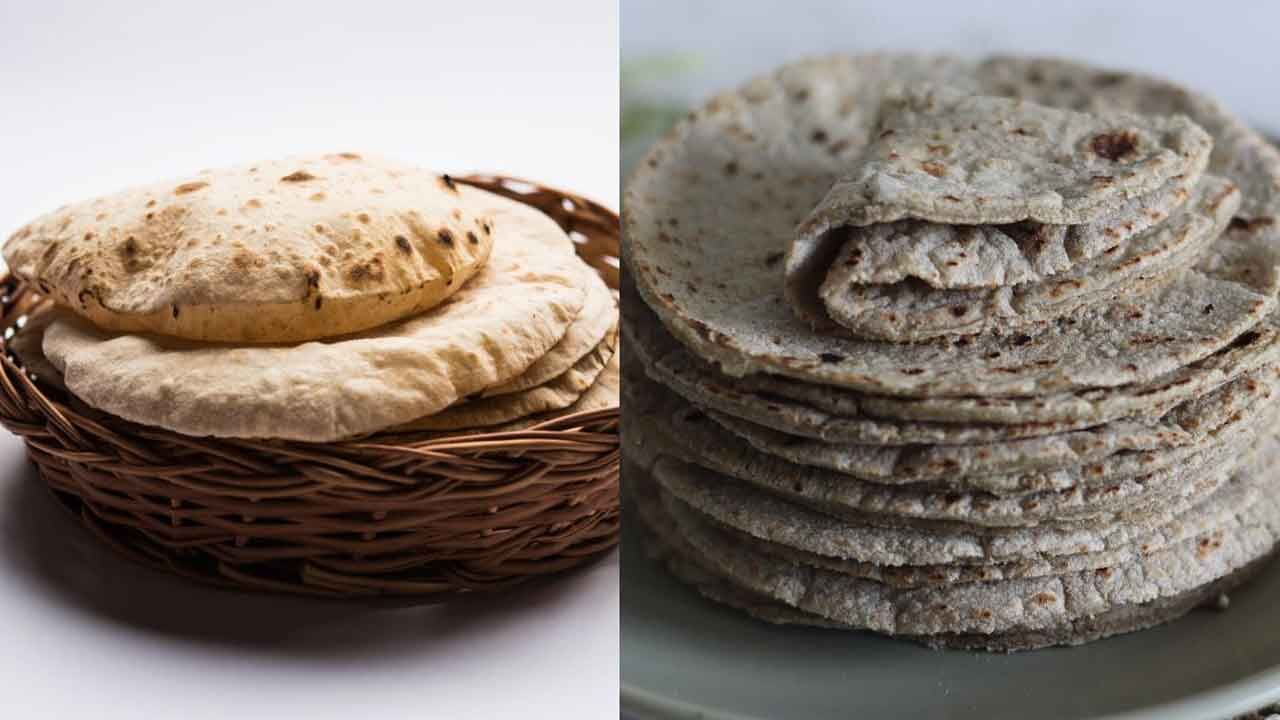
Roti and bhakri are both types of Indian flatbread.
Roti is soft and made with wheat, providing sustained energy and good digestion.
Bhakri, often made with millets, is thicker and gluten-free, rich in minerals, and helps manage blood sugar.
Roti is lighter and easier to digest, while bhakri offers more nutrients.
Both are healthy, but the best one depends on your needs.
If you need help with digestion, roti might be a better option, while bhakri might be the right choice to boost fiber intake.

Roti is a soft flatbread made from whole wheat flour, water, and sometimes oil or ghee.
Bhakri is a thicker, coarse flatbread made from flours like jowar, bajra, or ragi.
Roti is high in dietary fiber, aiding digestion and blood sugar stability.
Bhakri is naturally gluten-free, and mineral-rich, especially when made with millets.
Both offer health benefits, and the best choice depends on individual dietary needs.
- Who
- Roti and Bhakri, along with consumers considering health and dietary needs.
- What
- Comparison of Roti and Bhakri, two traditional Indian flatbreads, focusing on their nutritional value and health benefits.
- When
- The article provides a timeless comparison, not tied to a specific event.
- Where
- Indian cuisine and households.
- Why
- To help readers understand the nutritional differences and make informed choices about their diet.
Roti Advantages
Bhakri Advantages
Digestibility and Fiber Content
Roti Advantages
Offers lighter meal that is easy to digest and a source of fiber for gut health
Bhakri Advantages
Provides a denser nutrient profile.
- Roti Ingredients
- Whole wheat flour (atta), water, optional oil or ghee
- Bhakri Ingredients
- Jowar (sorghum), bajra (pearl millet), or ragi (finger millet)
- Roti Texture
- Soft and thin
- Bhakri Texture
- Thicker and coarse
- Roti Benefit
- High in dietary fiber
- Bhakri Benefit
- Naturally Gluten-free, mineral-rich