

Archive · 2 Jan 2026
Doorstep Screening Reduces Anaemia in Girls and Women
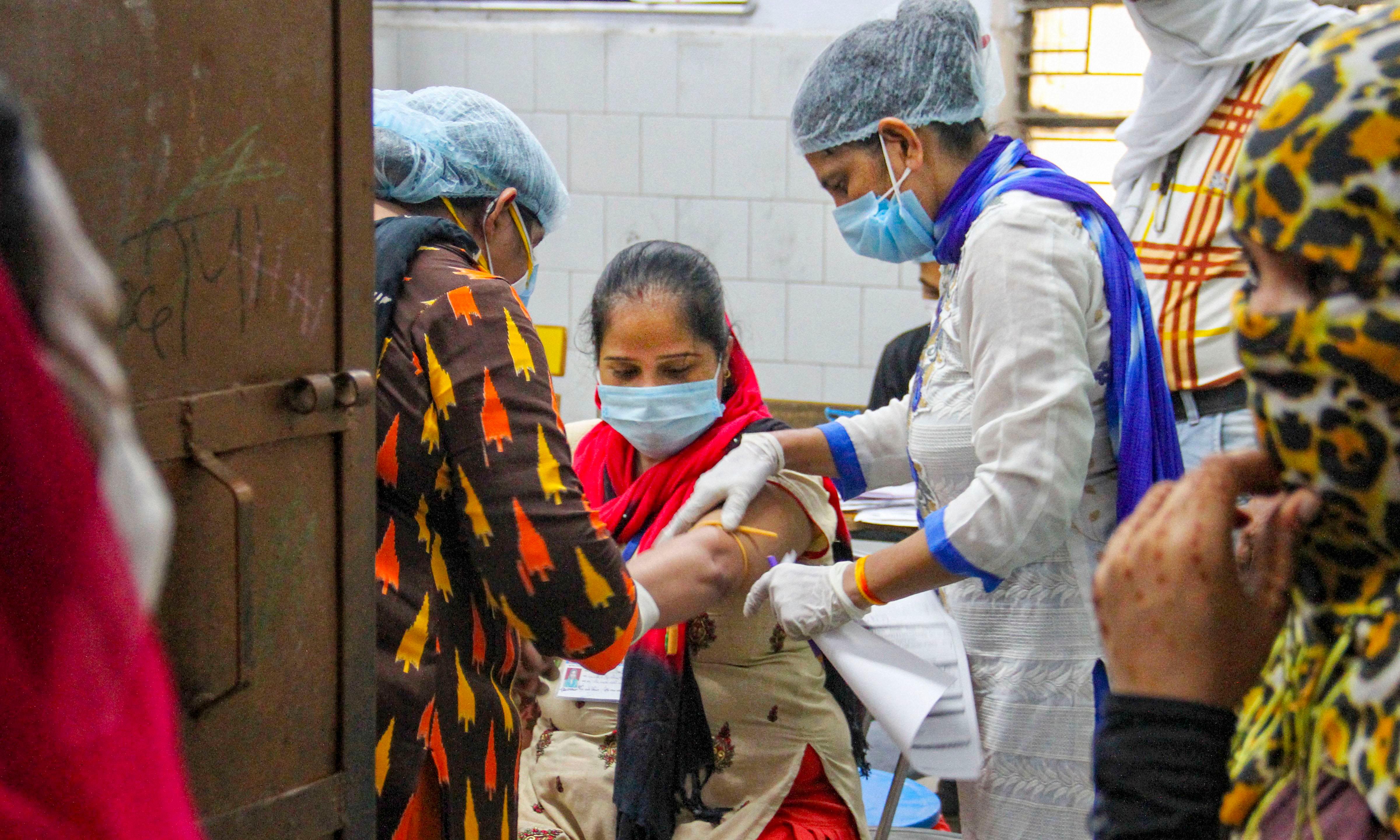
A study in Telangana, India, found that screening people for anaemia at their doorstep and providing treatment can reduce anaemia more effectively than regular health services.
The study involved screening over 6,000 people and treating them based on their haemoglobin levels.
The results showed that anaemia was lower in the group that received the doorstep screening compared to the control group.
The biggest improvements were seen in adolescent girls and women of reproductive age.
However, the study also found that people did not always take the recommended doses of iron and folic acid, which limited the overall impact.
The researchers suggest that better counselling and follow-up could help improve adherence and reduce anaemia more effectively in the long run.

A study by the National Institute of Nutrition (NIN) found that doorstep screening and treatment for anaemia reduced its prevalence more effectively than routine health services.
The 'screen and treat for anaemia reduction (STAR) approach' involved screening 6,131 participants and providing iron-folic acid supplements based on haemoglobin levels.
Anaemia prevalence was lower in the intervention group (29.6%) compared to the control group (32.5%).
The strongest gains were seen among adolescent girls (15.3% reduction) and women of reproductive age (4.4% reduction).
Compliance with supplementation was modest, with 32% for therapeutic doses and 47.5% for preventive doses, limiting the overall impact.
- Who
- National Institute of Nutrition (NIN) in Hyderabad
- What
- A study on the effectiveness of doorstep screening for anaemia reduction
- When
- The study was published in the 'BMJ Global Health' journal
- Where
- 14 villages in Telangana, India
- Why
- To evaluate the impact of a 'screen and treat for anaemia reduction (STAR) approach' on anaemia prevalence
- Study Location
- 14 villages in Telangana
- Participants Screened
- 6,131
- Control Group
- 5,255
- Anaemia Prevalence (Intervention)
- 29.6%
- Anaemia Prevalence (Control)
- 32.5%
- Anaemia Reduction (Adolescent Girls)
- 15.3%
- Haemoglobin Increase (Adolescent Girls)
- 0.73 g/dL
- Anaemia Reduction (Women of Reproductive Age)
- 4.4%
- Compliance (Therapeutic Doses)
- 32%
- Compliance (Preventive Doses)
- 47.5%