

Archive · 15 Nov 2025
Microretirement Trend Offers Extended Breaks From Work
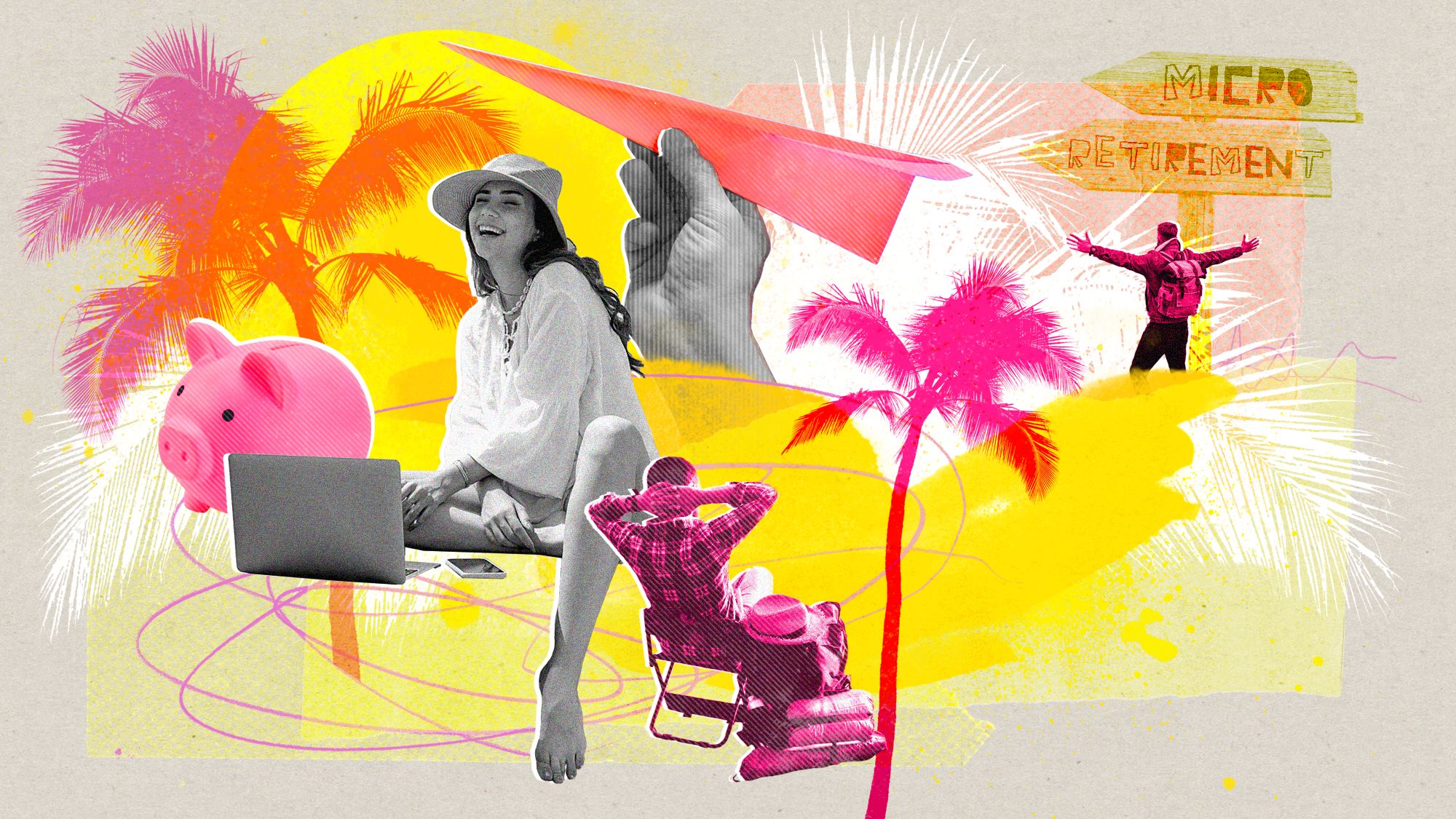
Imagine you really like playing with your toys, but sometimes you get tired and want to do something else for a little while, like draw a picture or go outside.
Microretirement is like that for grown-ups and their jobs.
Instead of working all the time, people are taking short breaks, like mini-vacations that last longer than a normal holiday.
They might quit their job for a bit to travel or work on a fun project, and then get a new job or go back to their old one when they're ready.
This helps them feel less tired and happier with their work.
Some young people especially like this because they want to have a good balance between working and having fun.
However, taking a long break might make it harder to get a job later or save money for when they are much older and ready for real retirement.

Microretirement involves taking intentional, unpaid breaks from work lasting weeks or months to rest and recharge.
The trend is growing across all age groups, with a particular interest from Gen Z due to their emphasis on work-life balance.
Reasons for microretirement include avoiding burnout, finding fulfillment, enhancing well-being, and traveling.
Potential downsides include impacts on earnings, investments, retirement savings, and perceptions of being a 'job hopper' to employers.
An increasing lifespan and the long wait until traditional retirement age contribute to the desire for earlier, shorter breaks.
- Who
- Individuals across various age groups, particularly Gen Z, and business owners.
- What
- Pursuing 'microretirement', which involves taking extended, unpaid breaks from work to rest and recharge before returning.
- When
- The trend is currently growing in popularity.
- Where
- This trend is observed in the workplace globally.
- Why
- To combat burnout, achieve work-life balance, pursue personal interests, travel, and recharge due to increased lifespans and a desire to enjoy life before traditional retirement age.
- Definition
- Taking regular, intentional, unpaid breaks from work, lasting weeks or months, with plans to return.
- Duration
- Typically weeks or months.
- Purpose
- Rest, recharge, travel, pursue personal projects, avoid burnout, enhance well-being.
- Forms
- Quitting and finding a new job later, arranging unpaid frequent breaks with employers, or taking breaks from a business.
- Employee Engagement
- 21% of employees worldwide describe themselves as engaged in their jobs (Gallup, 2024).
- Popularity
- Growing across all age groups, particularly among Gen Z.