Archive · 20 Jun 2025
Bt Cotton Fails to Sustain Yields in India, Production Declines
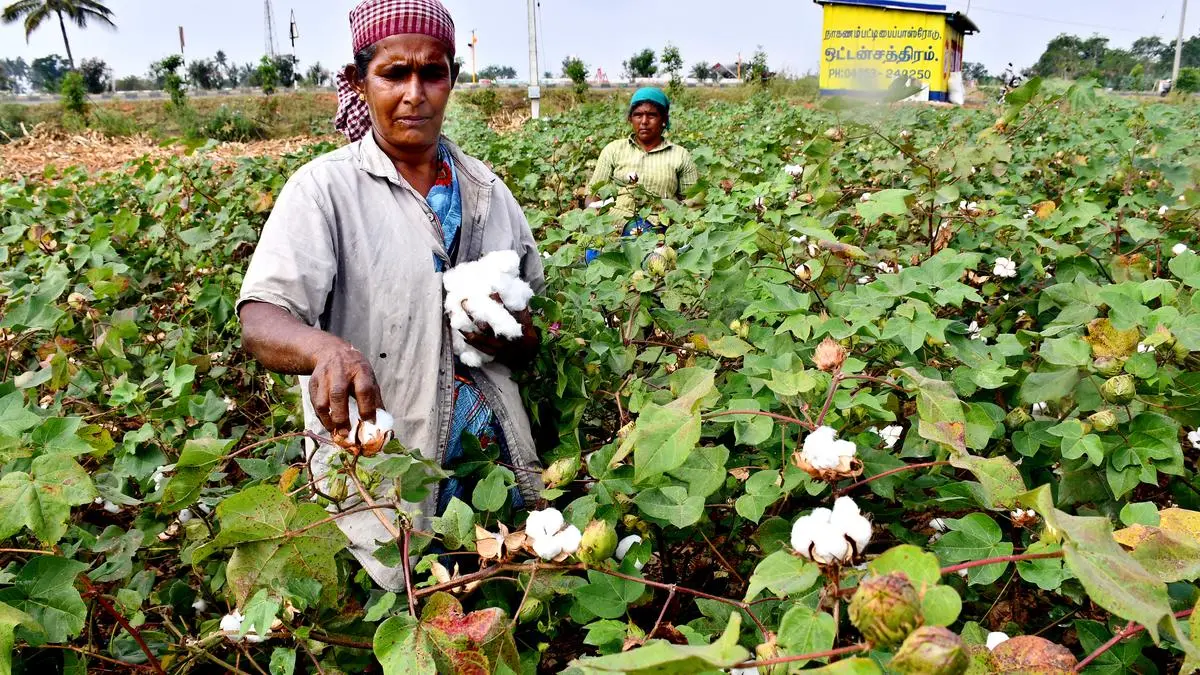
Imagine farmers in India grew cotton, and they started using a special kind called Bt cotton to fight off bugs.
At first, it worked great, and they got lots of cotton.
But now, things aren't so good.
Even though they still use Bt cotton, they aren't getting as much cotton as before.
Some bugs have become resistant to Bt cotton, and farmers also have to spend more on things like fertilizer and seeds.
This has made it harder for them to make money.
Experts are now trying to figure out how to help the cotton farmers grow more cotton again.

Bt cotton adoption in India initially boosted yields and reduced insecticide use.
Despite widespread use, cotton yields have stagnated and even declined in recent years.
Pink bollworm resistance and secondary pest issues are key challenges affecting productivity.
Increased fertilizer use and high seed costs have impacted farmers' economic gains.
Experts are calling for policy reform and new solutions to address the cotton sector's issues.
- Who
- Cotton farmers, the textile industry, and researchers.
- What
- Declining cotton production in India despite widespread adoption of Bt cotton.
- When
- Since 2013-2014, and continuing through the 2024-25 season.
- Where
- India.
- Why
- Due to factors like pest resistance, increased fertilizer use, and rising seed costs.
Critics of Bt Cotton
Supporters of Bt Cotton
Pesticide Impact
Critics of Bt Cotton
Bt cotton is not reducing pesticide usage or increasing yields.
Supporters of Bt Cotton
Bt cotton initially increased yields and reduced insecticide use.
Economic Concerns
Critics of Bt Cotton
High cost of Bt cotton seeds and environmental impacts.
Supporters of Bt Cotton
Farmers initially saw lower input costs and enhanced income.
- Bt Cotton Adoption Start
- 2002
- Peak Yield
- 566 kg/ha (2013-14)
- Lowest Yield
- 436 kg/ha (2023-24)
- Estimated Output 2024-25
- 294.25 lakh bales