

Archive · 10 Nov 2025
Odisha Village Transforms Poachers into Protectors of Migratory Birds
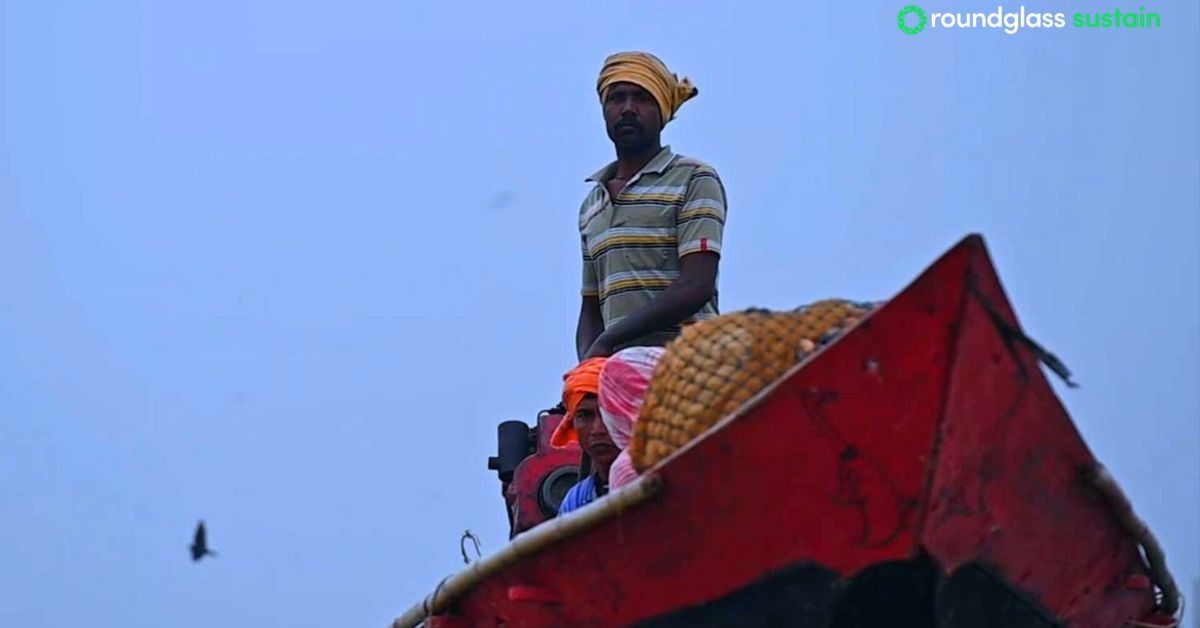
Imagine a village where people used to hunt birds for food, even special birds that flew in from far away.
They even used dangerous stuff to make the birds sick so they could sell them.
This made it hard for the birds to live there.
But then, a kind group came to help.
They taught the villagers that the birds were more valuable alive.
The villagers learned a lot and stopped hunting.
Now, they help protect the birds instead of hurting them.
Because of this change, millions of birds fly to the village every year, and people come to see them, which helps the village too.
It's like the villagers changed from being 'bad guys' for the birds to their 'best friends'.

The village of Mangalajodi in Odisha was once known for locals poaching migratory birds for sale to restaurants.
Villagers used hazardous pesticides like Furadan, causing mass bird deaths.
In 1998, the non-profit 'Wild Orissa' intervened, advocating for bird protection.
Their efforts transformed former poachers into skilled naturalists and protectors of the avian population.
Mangalajodi now welcomes over 300,000 migratory birds annually, with tourism benefiting the community.
- Who
- Villagers of Mangalajodi, Odisha and the non-profit organization 'Wild Orissa'
- What
- Villagers, once poachers of migratory birds, have become protectors, transforming their village into a bird haven.
- When
- The transformation began around 1998, with poaching eliminated within two decades.
- Where
- Mangalajodi village in Odisha, part of the Chilika lagoon.
- Why
- Intervention by 'Wild Orissa' led to a shift in local mindset, turning economic incentives from poaching to tourism and conservation.
Villagers' Past Actions
Villagers' Present Actions
Relationship with Birds
Villagers' Past Actions
For generations, villagers hunted both native and migratory birds for meat.
Villagers' Present Actions
Villagers have become skilled naturalists and protectors of the birds.
Use of Pesticides
Villagers' Past Actions
Locals used hazardous pesticides like furadan to kill birds for restaurants.
Villagers' Present Actions
Poaching has been eliminated, and birds are making a comeback.
Economic Motivation
Villagers' Past Actions
Villagers were tempted by money earned from selling bird meat to restaurants.
Villagers' Present Actions
Tourism has led to an economic uptick through bird protection and naturalism.
- Village
- Mangalajodi, Odisha
- Annual Migratory Bird Count
- Over 300,000
- Threats Faced by Birds (Past)
- Poaching by locals and sale to neighboring restaurants, use of hazardous pesticides (Furadan)
- Conservation Intervention
- Non-profit organization 'Wild Orissa' stepped in around 1998
- Key Transformation
- Poachers turned into skilled naturalists and protectors
- Wetland Status
- Part of Chilika lagoon, a Ramsar site and Important Bird Area (IBA)