

Archive · 14 Aug 2026
Calcutta High Court orders power connection for woman, cites dignity
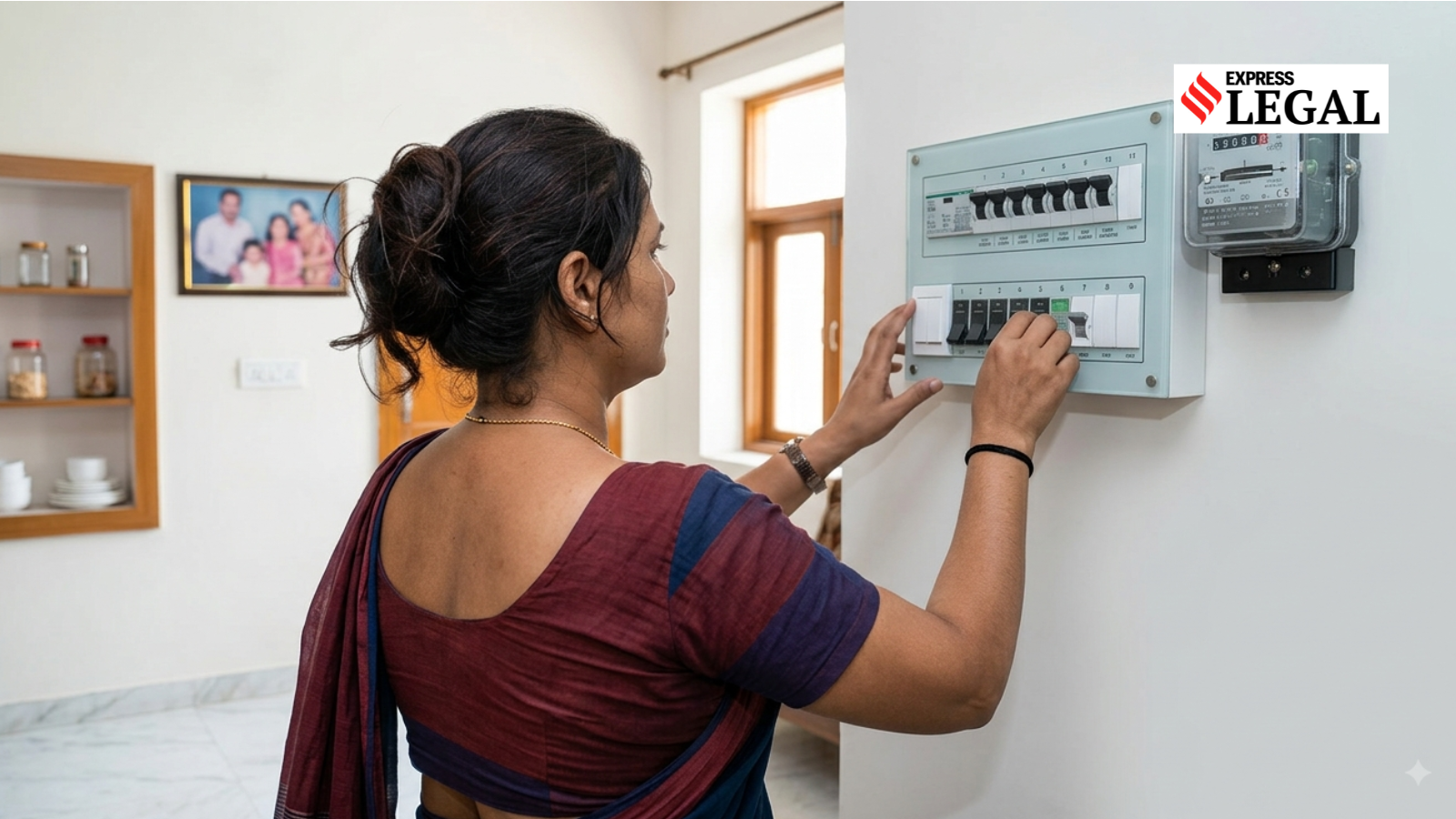
A woman in Calcutta wanted electricity for a property, but the power company said no because the owners objected.
The owners said she did not really have the right to be there, and they called the paper she relied on fake.
Her case went to a big court called the Calcutta High Court.
The judges said that even a trespasser has the right to electricity.
They explained that electricity is needed for a safe and dignified life.
So they told the power company to give her an electricity connection within three weeks.
But the court also said giving electricity does not mean the property belongs to her.
A regular court will still decide who truly owns the property later.
Until then, she cannot be left without power.

The Calcutta High Court set aside a trial court order and directed CESC to grant an electricity connection to a woman within three weeks.
A bench of Justices Shampa Sarkar and Arjun Ray Mukherjee ruled that even a trespasser is entitled to electricity as an essential commodity.
The court held that electricity is intrinsically connected with a dignified life under Article 21 of the Constitution of India.
CESC had refused the connection due to objections from landlords, who alleged the woman's transfer agreement was fabricated and pointed to a pending eviction suit.
The court clarified that the connection creates no title or ownership right and remains subject to any order by a competent civil court.
- Who
- The Calcutta High Court (bench of Justices Shampa Sarkar and Arjun Ray Mukherjee), a woman petitioner, the Calcutta Electricity Supply Corporation (CESC) Ltd, and private respondents/landlords.
- What
- The court set aside a trial court order and directed CESC to grant the woman an electricity connection within three weeks.
- When
- The ruling was delivered on August 10; the trial court order under challenge was from June 2022.
- Where
- Calcutta High Court, India.
- Why
- Because electricity is essential for a dignified life under Article 21 and cannot be denied to an occupant facing eviction until a competent civil court passes an eviction order.
Woman petitioner's side
Landlords' side
Validity of the agreement
Woman petitioner's side
The transfer agreement she relies on gives her a right of possession over the property.
Landlords' side
The agreement is a legally invalid, fabricated document; an eviction suit against her is pending.
Right to electricity connection
Woman petitioner's side
Even a trespasser is entitled to electricity because it is essential for a dignified life under Article 21.
Landlords' side
The woman's right over the property is disputed, so supply should not be forced over the landlords' objections.
Who should decide the dispute
Woman petitioner's side
The district magistrate has no jurisdiction; the dispute concerning the electricity connection should be decided by a competent court.
Landlords' side
The woman had earlier been directed by a single judge to approach the district magistrate for a decision after hearing both sides.
- Court
- Calcutta High Court (division bench of Justices Shampa Sarkar and Arjun Ray Mukherjee)
- Electricity supplier
- Calcutta Electricity Supply Corporation (CESC) Ltd
- Direction
- Grant electricity connection within three weeks
- Key legal basis
- Article 21 of the Constitution of India (right to a life of dignity)
- Trial court order challenged
- June 2022
- Ruling date
- August 10
- Clarification
- Connection creates no title, ownership or interest in the property and is subject to future civil court orders