

Archive · 9 Nov 2025
Endometriosis: Separating Myths From Medical Facts
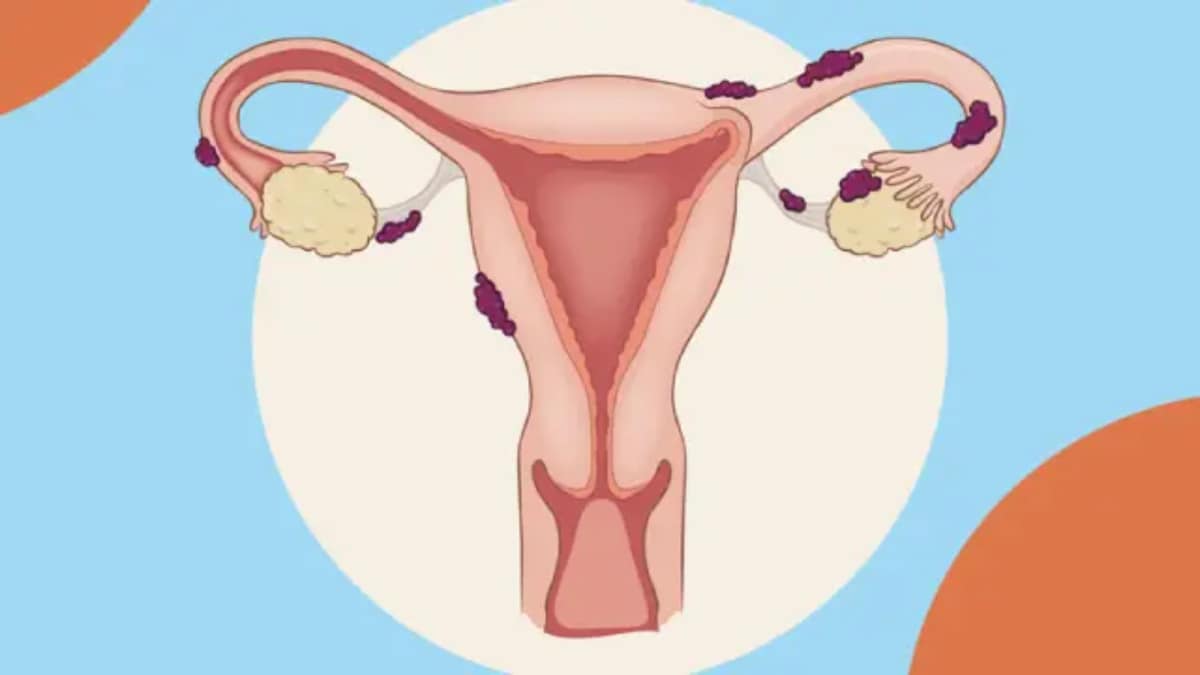
Imagine your body has a special lining inside, like wallpaper, that grows every month to get ready for a baby.
Normally, this lining leaves your body during your period.
But for some people with endometriosis, this lining grows outside the uterus, like wallpaper stuck on the wrong wall.
This can cause a lot of pain because it's not supposed to be there.
People used to think bad period cramps or pregnancy would fix it, but doctors say that's not true.
It's a condition that needs careful diagnosis and treatment to help people feel better and stay healthy.
Even though it's common, affecting many women, there's still a lot of confusion about it, which can make it hard to get the right help.

Endometriosis is a chronic inflammatory condition impacting an estimated one in ten women, not just painful periods.
Severe period pain disrupting daily life can be a sign of endometriosis, and diagnosis is often delayed due to misconceptions.
Standard ultrasounds may not detect endometriosis; specialist imaging or laparoscopic assessment is often required.
Hormonal pills can manage symptoms but do not cure endometriosis, which requires complete excision of tissue.
Pregnancy may temporarily ease symptoms but does not cure endometriosis, and repeated, incomplete surgeries can cause harm.
- Who
- Women diagnosed with endometriosis, healthcare professionals
- What
- Clarifying common misconceptions about endometriosis, a chronic inflammatory condition.
- When
- November 09, 2025
- Where
- Information curated by News18.com, featuring insights from Ahmedabad-based specialists.
- Why
- To address the myths and misinformation surrounding endometriosis, emphasizing the need for timely diagnosis and comprehensive treatment for lasting relief.
- Condition
- Endometriosis
- Prevalence
- Affects an estimated one in ten women
- Expert 1
- Dr. Smeet Patel, Endometriosis Specialist, Mayflower Women’s Hospital, Ahmedabad
- Expert 2
- Dr. Sanjay Patel, Endometriosis Surgeon
- Key to Relief
- Early awareness, accurate diagnosis, and comprehensive care