

Archive · 7 Aug 2025
Perseid Meteor Shower Peaks in August
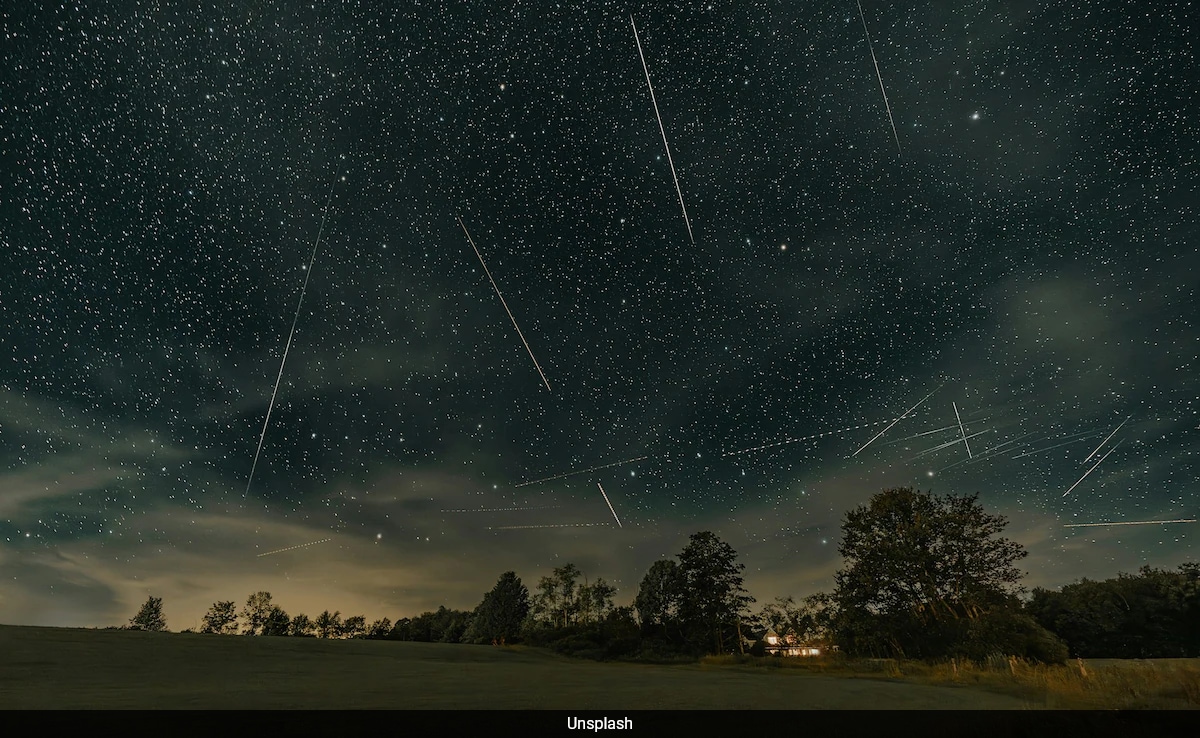
Every year, Earth journeys through a cloud of tiny space dust left behind by a comet called Swift-Tuttle.
This dust crashes into our atmosphere, creating bright streaks of light called meteors, often called shooting stars.
The Perseid meteor shower is a popular meteor shower that happens every August.
This year the show may be less bright due to the moon, but you can still enjoy the view!
To see the meteors, find a dark spot away from city lights and look up.
The meteors will appear to come from the constellation Perseus.

The Perseid meteor shower, known for its bright meteors, peaks in mid-August.
Earth passes through debris from Comet 109P/Swift-Tuttle, causing the shower.
Viewers can expect to see swift, bright meteors, including fireballs.
The full moon may impact visibility this year, potentially reducing the number of visible meteors.
Meteors appear to originate from the constellation Perseus.
- Who
- The meteors are caused by debris from Comet 109P/Swift-Tuttle.
- What
- The Perseid meteor shower, a celestial event featuring bright meteors.
- When
- The shower peaks in mid-August.
- Where
- Meteors can be viewed from anywhere with a clear view of the night sky.
- Why
- Earth's passage through comet debris causes the meteors.
Meteor Shower Viewing
Full Moon Impact
Visibility
Meteor Shower Viewing
Enjoying the Perseid meteor shower
Full Moon Impact
Potential visibility reduction from the full moon's light
- Meteor Shower Name
- Perseids
- Peak Time
- Mid-August
- Origin of Meteors
- Debris from Comet 109P/Swift-Tuttle
- Comet Orbit
- 133 years
- Meteor Speed
- 215,000 km/h
- Visibility
- Best before dawn, potentially impacted by the full moon