1 week ago
Chase Stokes Reveals Health Struggles After Outer Banks
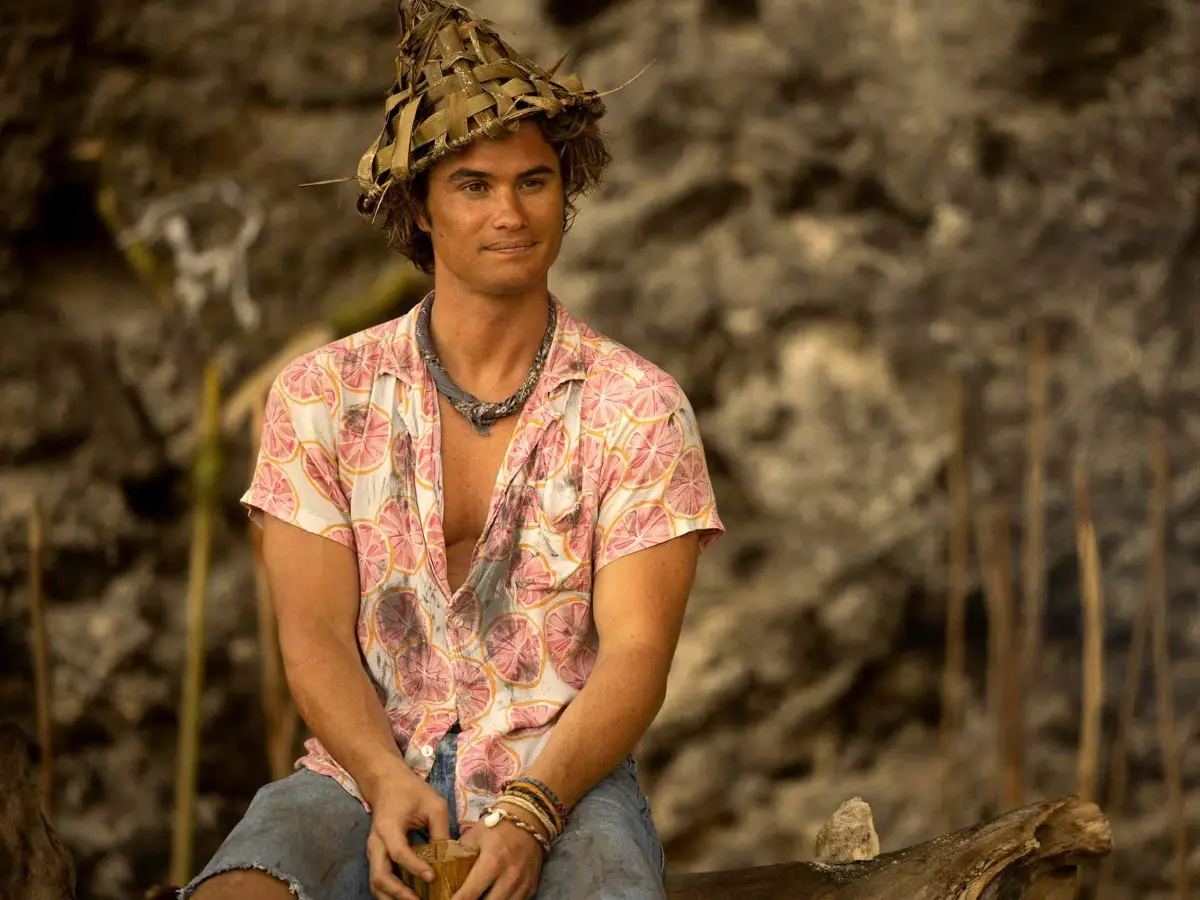
Chase Stokes said making Outer Banks was very hard on his body and mind.
He had worked for years to keep the right shape for his character.
After filming ended, he said his liver and kidneys were failing.
Doctors also found that his testosterone level was very low for his age.
He started having blood tests every two weeks.
He worked with a doctor to help his body become healthy again.
Stokes said his mind also felt overwhelmed after years of demanding filming schedules.
He used psychotherapy and a treatment called TMS to manage depression symptoms and mental tiredness.
He decided to take a break from acting so he could focus on recovering.

Chase Stokes said maintaining his Outer Banks physique contributed to serious physical and mental health problems.
He reported that his liver and kidneys were failing after he completed the show’s final season.
Blood tests showed unusually low testosterone levels for a 33-year-old man, he said.
Stokes began testing his blood every two weeks and worked with an internal medicine doctor.
He also underwent intensive psychotherapy and transcranial magnetic stimulation for major depression symptoms and mental fatigue.
- Who
- Actor Chase Stokes, known for playing John B Routledge in Outer Banks.
- What
- He disclosed serious physical and mental health problems after completing the show’s final season.
- Where
- The health issues followed years of filming Outer Banks; the interview was with The Hollywood Reporter.
- When
- After wrapping the final season of Outer Banks; the disclosure was made in an interaction with The Hollywood Reporter.
- Why
- Stokes attributed the problems to the physical demands of maintaining his character’s physique, intense filming schedules and isolated pandemic-era production conditions.
Key facts
- Actor
- Chase Stokes
- Known for
- Playing John B Routledge in Netflix’s Outer Banks
- Reported physical problems
- Stokes said his liver and kidneys were failing after the final season.
- Testosterone
- He said blood tests showed alarmingly low testosterone levels for a 33-year-old man.
- Monitoring
- He began routine blood tests every two weeks.
- Mental-health treatment
- He underwent intensive psychotherapy and transcranial magnetic stimulation, or TMS.
- Recovery decision
- He paused before taking on new acting roles to prioritize his recovery.
Sources
Related news
Rahul Roy Returns to Acting After Brain Stroke Recovery
Ram Kapoor Recalls 140-Kilogram Struggle and Repeated Weight Loss Journey
Sohail Khan Denies Ozempic Use, Says Weight Loss Natural

Rahul Roy Details Stroke Recovery, Vegan Diet and Acting Return