

Archive · 2 Jun 2025
Mt. Khangchendzonga Climb Sparks Indigenous Rights Debate
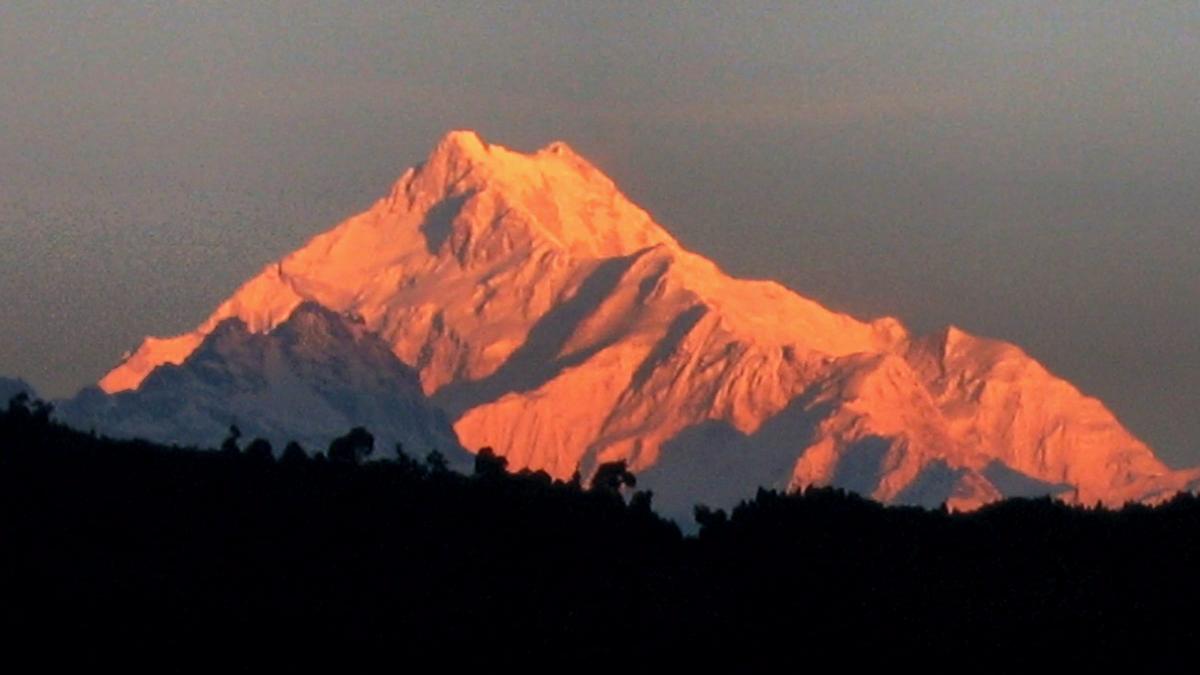
A team from the National Institute of Mountaineering climbed Mt.
Khangchendzonga from the Nepal side.
This upset some people because the mountain is sacred to the local community in Sikkim, and the local government doesn't allow climbing from their side.
The climb was part of a project to put the Indian flag on the highest peaks in each state.
Indigenous communities often protect mountains and have their own beliefs about them, leading to disagreements when others want to use or climb them.
The incident highlights the importance of respecting local communities' rights and beliefs, even when there are scientific or defense reasons to act.
Legal tools are becoming better to help protect these rights.

A NIMAS team scaled Mt. Khangchendzonga from the Nepal side on May 18.
The ascent prompted concern from civil society groups and the Sikkim Chief Minister.
Sikkim's native population views the mountain as sacred.
The State government prohibits climbing or scaling its peak from the Indian side.
The climb was part of the Indian Army's 'Har Shikhar Tiranga' campaign.
- Who
- NIMAS team, Sikkim Chief Minister, indigenous communities, civil society groups.
- What
- NIMAS team scaled Mt. Khangchendzonga from the Nepal side, sparking concerns.
- When
- May 18.
- Where
- Mt. Khangchendzonga (from Nepal side), Sikkim.
- Why
- To plant the Indian flag as part of the 'Har Shikhar Tiranga' campaign, stirring national pride, despite the mountain's sacred status to local communities.
- NIMAS
- Autonomous institute under India’s Ministry of Defence.
- Significance
- Mt. Khangchendzonga is sacred to Sikkim's native population.
- Sikkim Government Policy
- Sikkim government disallows climbing from the Indian side.
- Campaign
- Ascent was part of 'Har Shikhar Tiranga' campaign.
- Indigenous rights
- Indigenous groups have rights which are becoming sharper.