

Archive · 19 Dec 2025
Why Solar Panels Struggle in Delhi’s Fog but Thrive in Ladakh’s Cold
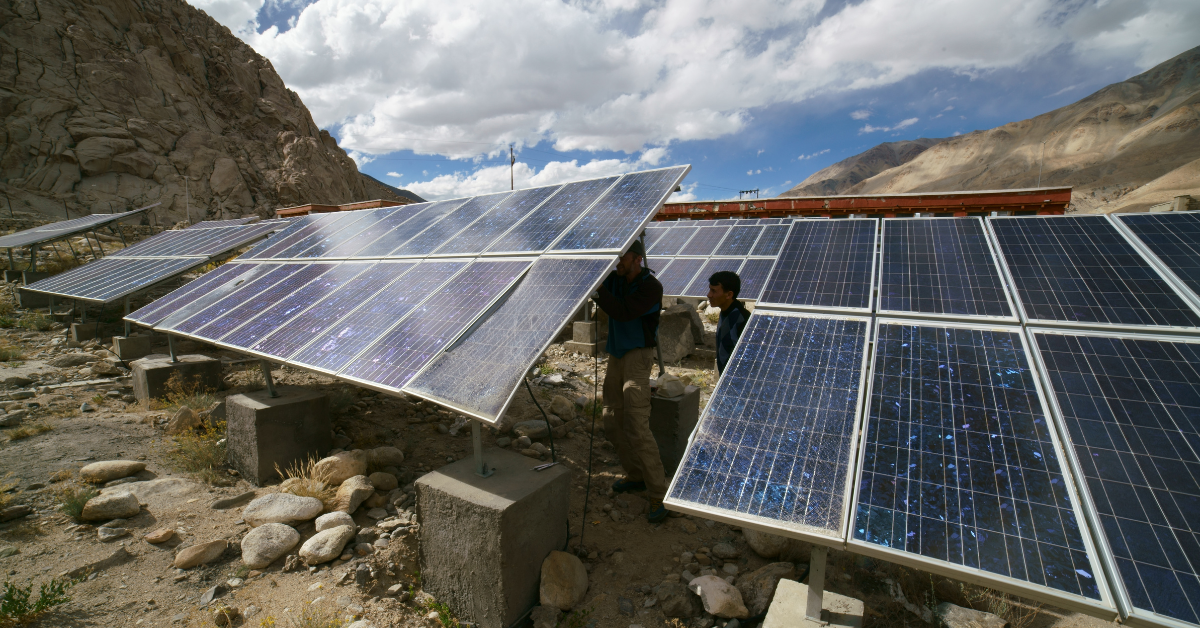
Solar panels work by turning sunlight into electricity.
Many people think they stop working in winter, but that's not true.
Cold weather can actually make them work better because they don't like heat.
However, in places like Delhi, fog and smog block sunlight, making panels less effective.
In places like Ladakh, the air is cold but very sunny, so panels work great.
Snow can cover panels in hilly areas, but they usually shake it off.
So, winter doesn't ruin solar power, but it does mean we need to design panels to work well in different weather conditions.

Solar panels are more efficient in cold weather but lose efficiency in heat.
Fog and smog in cities like Delhi reduce sunlight, lowering solar power output.
Ladakh's high altitude and clear skies make it ideal for solar power despite cold temperatures.
Snow can temporarily cover panels in hilly areas, but losses are usually manageable.
Solar power remains viable across India with proper design and realistic expectations.
- Who
- Solar panel owners in Delhi, Shimla, Leh, and other regions in India.
- What
- The impact of winter conditions on solar panel efficiency and performance.
- When
- During winter months, particularly in January.
- Where
- In cities like Delhi, Shimla, Leh, and other regions across India.
- Why
- Due to factors like fog, smog, snow, and air pollution affecting sunlight reaching the panels.
- Solar Panel Efficiency
- Solar panels lose 0.3% to 0.5% efficiency per degree Celsius above 25°C.
- Solar Irradiance in Ladakh
- 6 to 6.5 kilowatt-hours per square metre per day.
- Winter Solar Losses in Delhi
- 30–50% reduction due to smog.
- Annual Solar Days in Uttarakhand
- 280 to 287 sunny days per year.
- Snow Impact on Solar Panels
- Annual losses typically between 1% and 12%.