

Archive · 7 Sep 2025
Stargazing in the City: How Light Pollution Obscures the Night Sky
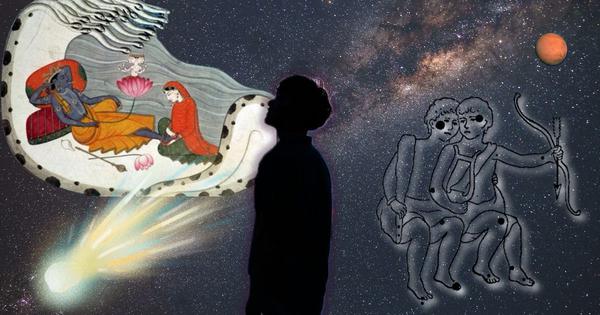
Imagine the night sky, full of stars, but city lights are making it harder to see them.
Light pollution, caused by all the bright lights in cities, prevents us from seeing stars like the Milky Way.
The author, a science journalist, reminisces about seeing stars and how light pollution has made it harder for city dwellers to see the stars.
This means fewer people can enjoy the wonder of the night sky and also affects animals.
To see the stars, you might need to go to a place with less light, like outside of the city, and use a smartphone app to guide you.
It’s like losing a part of history because for centuries humans used the stars to inspire storytelling.

The author reflects on the diminishing visibility of the night sky due to light pollution.
Light pollution obscures celestial objects, impacting human and animal life.
The author recalls childhood memories of the sky and the impact of city lights.
Orion and other celestial bodies were observed despite light pollution.
The need for accessible locations to view the stars and learn about constellations is highlighted.
- Who
- The author, Vijaysree Venkatraman, and city dwellers.
- What
- A reflection on the loss of the night sky due to light pollution.
- When
- The author reflects on a recent experience stargazing and the impact of increasing light pollution.
- Where
- Chennai, India; mentions Bombay, India and the US.
- Why
- To highlight the impact of light pollution on stargazing and the beauty of the night sky.
- Study Finding
- Light pollution has soared planet-wide in the last decade.
- Milky Way Visibility
- Hidden from one-third of humanity before light pollution.
- Star Identification
- Orion, Betelgeuse, Rigel, Sirius, and Mars were identified by the author.
- Author's Location
- Chennai, India and Boston, USA
- Astronauts to Mars
- NASA plans a three-year mission.