Archive · 26 May 2025
Importance of Early Hypertension Diagnosis and Treatment
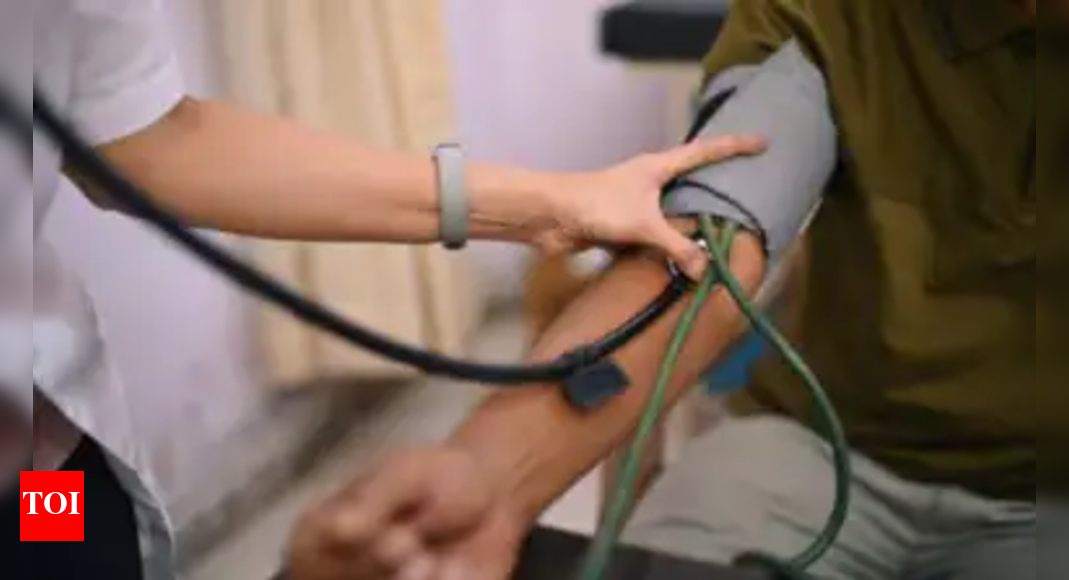
High blood pressure, or hypertension, affects many adults.
It happens when blood pushes too hard against blood vessel walls.
Many people don't know they have it.
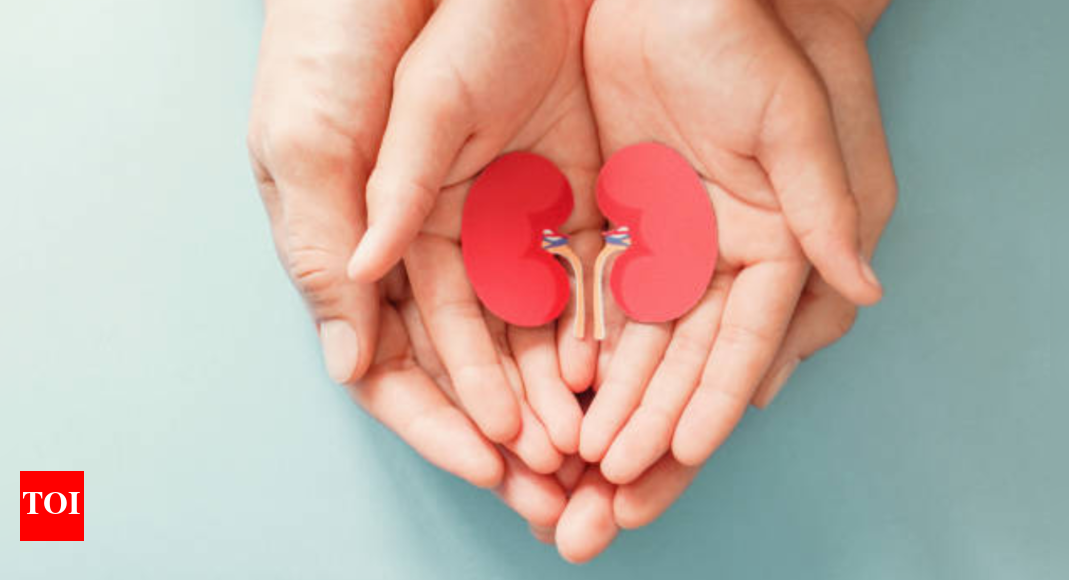
It's important to find out early because it can cause serious problems like heart issues, kidney disease, and strokes.
By eating less salt, exercising, and seeing a doctor, people can manage their blood pressure.
Getting checked regularly is a good idea.
This helps avoid bigger health problems later and saves money on healthcare.

Hypertension is defined as consistently elevated blood pressure, often without symptoms.
Early diagnosis prevents long-term complications like heart disease and stroke.
Preventive health checks and screenings are crucial, especially with family history.
Reducing salt intake is a significant step in managing hypertension.
Public awareness campaigns can educate people about hypertension and its prevention.
- Who
- Adults, especially those with a family history of hypertension.
- What
- Early diagnosis of hypertension involves screenings, lifestyle changes, and potential medication.
- When
- Early diagnosis and treatment are most effective, preventive measures should start early.
- Where
- Hypertension is a global health concern.
- Why
- Early diagnosis can prevent or reduce long-term complications like cardiovascular disease and strokes.
- Definition of Hypertension
- Consistently elevated blood pressure above 140/90 mm Hg
- Approximate Prevalence
- 1 in 3 adults
- Major risk factors
- Increased salt intake, lack of exercise, high sodium food consumption, stress, and unhealthy diet.
- Potential Complications
- Cardiovascular disease, kidney disease, strokes.
- Recommended Daily Sodium Intake
- 2,000 mg (less than 5 grams)