

Archive · 10 Aug 2026
Retail traders boycott August 12 trading to demand CAS rollback
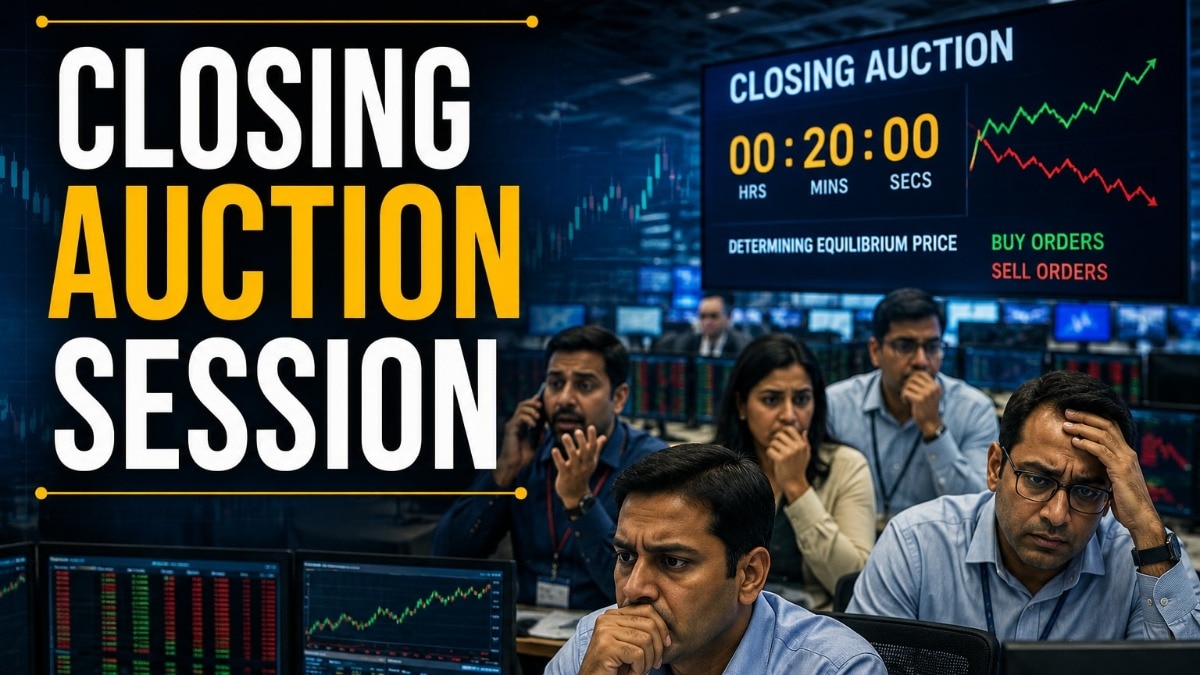
In India, a group called SEBI makes the rules for the stock market.
Recently, SEBI changed the way a stock's closing price is decided at the end of the trading day.
Many regular people who buy and sell stocks, called retail traders, did not like this change.
They say the new system makes prices jump around and makes trading less attractive.
So these traders decided to hold a peaceful protest called a "No Trade Day."
On August 12, 2026, they plan to stop buying and selling stocks for the whole day.
They hope that if the market is very quiet that day, reporters and news channels will notice.
Then SEBI might listen to their demand to take the new rule back.
SEBI says the new rule stops people from cheating with prices and makes the market fairer.
Both sides want a healthy market, but they disagree on whether the new rule helps or hurts.

Retail traders in India are organizing a 'No Trade Day' boycott on August 12, 2026, demanding a rollback of SEBI's Closing Auction Session (CAS).
SEBI introduced CAS for F&O-eligible stocks on August 3, replacing the earlier 30-minute VWAP-based closing price mechanism.
Under CAS, the official closing price is determined through a single equilibrium auction based on maximum executable buy and sell orders.
The rollout caused sharp auction-driven moves and a significant gap between the 3:15 pm market level and the official close, creating volatility in index settlements and expiry-day derivatives.
SEBI says CAS improves price discovery, curbs end-of-day price manipulation and aligns India with global practices, while traders say it makes capital markets unattractive for retail investors.
- Who
- Retail traders in India protesting against the Securities and Exchange Board of India (SEBI).
- What
- A coordinated 'No Trade Day' boycott on August 12, 2026, demanding a rollback of the Closing Auction Session (CAS) mechanism introduced for F&O-eligible stocks.
- When
- August 12, 2026 (boycott day); CAS was introduced on August 3.
- Where
- India's capital markets.
- Why
- Traders say CAS makes capital markets unattractive for retail investors and has caused volatility; SEBI says it improves price discovery and curbs end-of-day price manipulation.
Retail traders demanding CAS rollback
SEBI and regulators defending CAS
Impact on retail trading
Retail traders demanding CAS rollback
CAS makes capital markets unattractive for retail traders and triggered sharp auction-driven moves since its rollout.
SEBI and regulators defending CAS
Regulators maintain that although the transition unsettled traders initially, CAS will enhance the reliability of closing prices and deepen liquidity over time.
Closing price reliability
Retail traders demanding CAS rollback
CAS created a significant gap between the 3:15 pm market level and the official close, causing volatility in index settlements and expiry-day derivatives.
SEBI and regulators defending CAS
CAS enhances the integrity of closing prices, improves benchmark reliability and reduces end-of-day price distortions.
Effectiveness of the protest
Retail traders demanding CAS rollback
A coordinated no-trading day with thousands of traders sitting out can send a powerful message and make regulators take the rollback demand seriously.
SEBI and regulators defending CAS
SEBI views CAS as a long-term improvement that brings India's market infrastructure closer to global best practices.
- Boycott Date
- August 12, 2026
- Regulator
- Securities and Exchange Board of India (SEBI)
- CAS Introduction
- August 3
- CAS Applicability
- F&O-eligible stocks
- Previous Mechanism
- 30-minute VWAP-based closing price
- New Mechanism
- Single equilibrium auction based on maximum executable buy and sell orders
- Stated CAS Goals
- Improve price discovery, curb end-of-day price manipulation, align with global practices
- Protest Hashtags
- #NoTradeDay, #RollbackCAS, #12thAugust2026