

Archive · 28 Oct 2025
IMD DG: AI and Tech Enhance Weather Forecasting Accuracy, Saving Lives
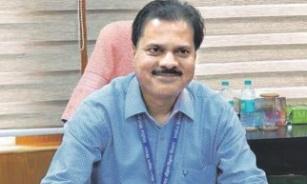
Imagine a super-smart weather prediction system for India!
The head of India's weather service says they are using new technology and computer brains (AI) to get much better at guessing the weather.
This means they can tell us about big storms or droughts much earlier.
This helps people stay safe and farmers know when to expect too much or too little rain.
They are adding more weather-watching tools, like Doppler radars and automatic rain gauges, all over the country.
They are also working with universities to make their predictions even more accurate, aiming for a big improvement by the year 2030.
This helps India get ready for changing weather caused by things like pollution and industry.
Even a state called Andhra Pradesh is getting more special weather radars to help them out.

Technology and AI are significantly improving the accuracy and earliness of weather forecasts in India through Mission Mausam.
The India Meteorological Department (IMD) aims to increase forecast accuracy by 15% by 2030.
Expansion plans include increasing Doppler radars from 40 to 126 by 2026 and adding 1,000 automatic rain gauges.
IMD is collaborating with research institutes to enhance forecasting capabilities using physical and AI models.
Andhra Pradesh is set to receive three new Doppler Weather Radars, with bidding completed for their installation.
- Who
- India Meteorological Department (IMD) Director General Mrutyunjay Mohapatra and IMD Amaravati Director Stella S.
- What
- Enhancement of weather forecasting systems using technology and artificial intelligence (AI) to improve accuracy and reduce human loss.
- When
- Forecast accuracy improved between 2019 and 2023; plans to improve accuracy by 15% by 2030; Doppler radars to increase by 2025-26 and 2026.
- Where
- India, with specific mention of Andhra Pradesh (Ongole, Amaravati, Kakinada).
- Why
- To combat the impacts of climate change, which causes extreme weather events, and to save lives and aid agricultural planning through early and accurate weather predictions.
Human Impact
Technological Advancement
Disaster Impact
Human Impact
Climate change, described as anthrosphere (environment modified by humans), causes disasters with varied temperatures, erratic rainfall, and temperature drops, attributed to factors like coal mining, industrialization, and automotive use.
Technological Advancement
Technology and AI, particularly under Mission Mausam, are enabling early and accurate weather forecasts, significantly reducing human loss and aiding farmers in managing extreme weather conditions.
- Forecast Accuracy Improvement Goal
- 15% by 2030
- Doppler Radar Expansion
- From 40 to 73 by 2025-26, and to 126 by 2026
- New Doppler Radars in Andhra Pradesh
- Three planned for Ongole, Amaravati, and Kakinada
- Automatic Rain Gauge Increase
- By 1,000
- Weather Station Increase
- By 500
- Andhra Pradesh Automatic Weather Stations
- Increase from 62 to 80