

Archive · 26 May 2025
Brick Kiln Study Shows Emissions Reduction Potential in Bangladesh
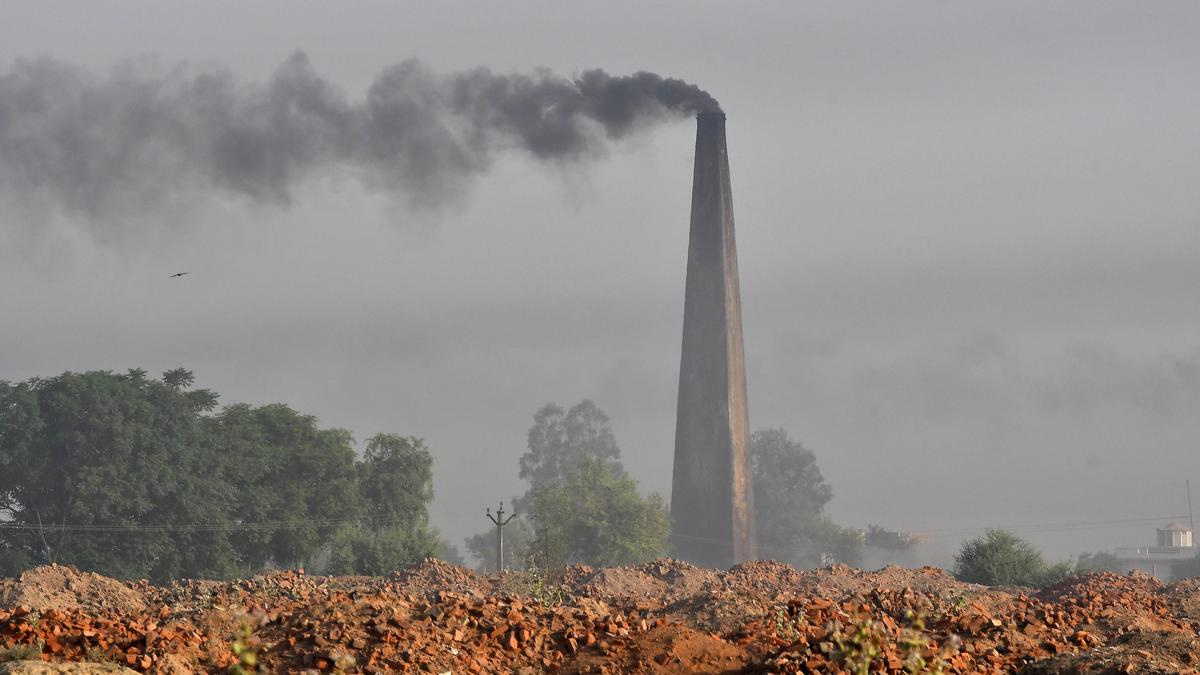
Imagine a study to make brick-making cleaner in Bangladesh, where air pollution is a big problem.
Researchers tried new ways to improve how brick kilns work.
They tested changes like how fuel is fed and how bricks are stacked.
These changes helped reduce pollution and save energy without costing much money.
The study showed that these changes could significantly lower harmful emissions if widely used, especially in countries with bad air quality.
It also didn’t make the workers' jobs worse.
This is good news for places struggling with air pollution, like Bangladesh.

A study in Bangladesh tested methods to reduce emissions from brick kilns.
The study focused on zigzag kilns, the dominant type in Bangladesh.
Interventions included efficient coal feeding and brick-stacking practices.
The interventions led to significant reductions in energy use and emissions.
Researchers found the interventions were cost-effective and could be scaled up.
- Who
- Researchers from the U.S., Bangladesh, and India.
- What
- A study on interventions to reduce emissions in brick kilns in Bangladesh.
- When
- The study was conducted in the brick-firing season of November to May in 2022-2023; Published May 8, 2025.
- Where
- Bangladesh, focusing on zigzag brick kilns.
- Why
- To reduce emissions, air pollution, and fuel costs in brick kilns while increasing revenue.
- Study Date
- May 8, 2025 (published in Science)
- Location
- Bangladesh
- Kilns Studied
- 276 zigzag kilns
- Intervention Type
- Technical and Incentive based
- Energy Reduction
- 23%
- CO2 Reduction
- 20%
- PM2.5 Reduction
- 20%
- Cost per Tonne CO2 Reduction
- $2.85