

Archive · 2 Aug 2025
Nobelitis: When Nobel Laureates Embrace the Paranormal
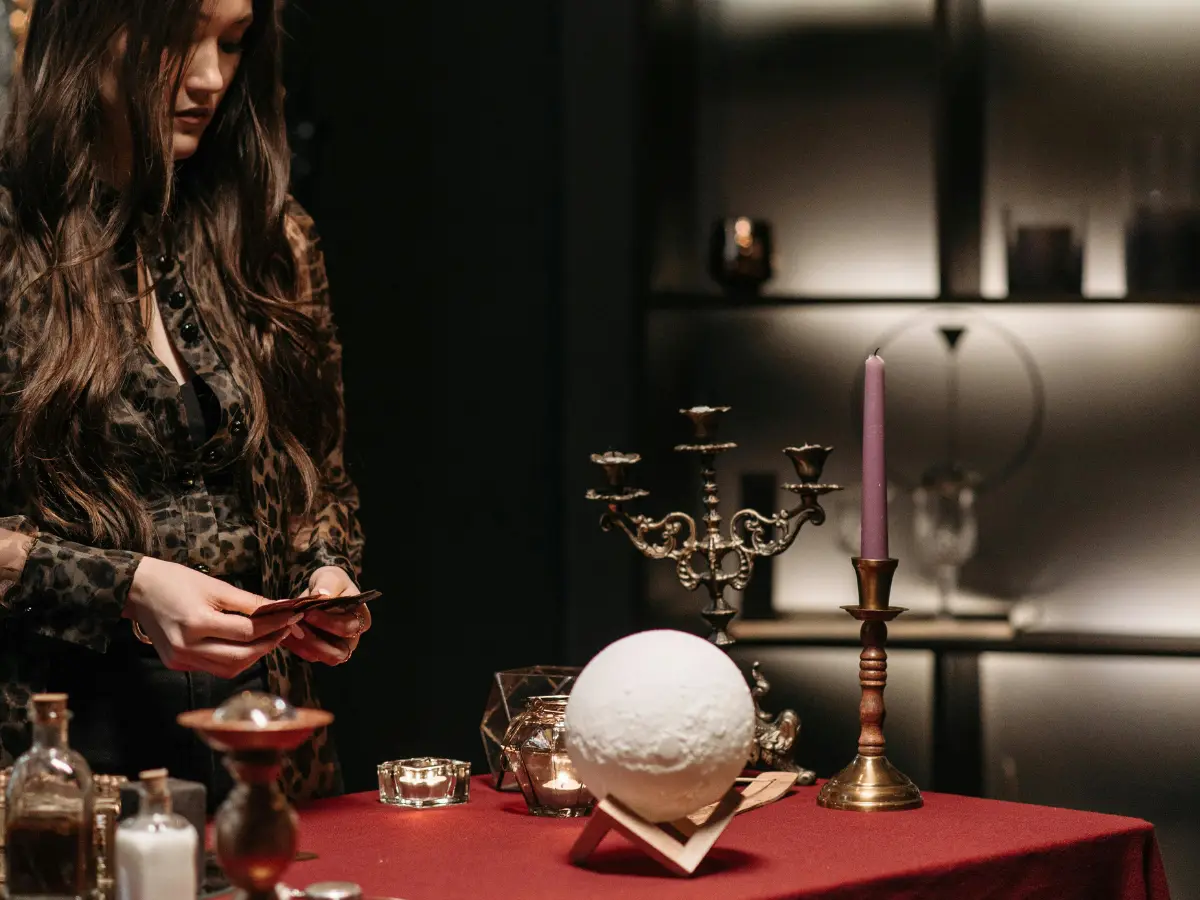
Sometimes, after winning a big science prize called the Nobel Prize, some very smart scientists start believing in strange things that aren't based on science.
This has been called 'Nobelitis.'
Some started to like psychics and ghosts, like Pierre Curie.
Others, like Kary Mullis, didn't believe in things like climate change.
No one knows why this happens, but it seems like the Nobel Prize might change how some people think.

Some Nobel laureates have been reported to hold unscientific views.
This phenomenon has been called 'Nobelitis' and lacks a scientific explanation.
Pierre Curie and Joseph Thomson expressed interest in psychic phenomena.
Charles Richet coined the term 'ectoplasm' and was interested in seances.
Kary Mullis expressed doubts about climate change and believed in astrology.
- Who
- Nobel Prize winners such as Pierre Curie, Joseph Thomson, Charles Richet, and Kary Mullis.
- What
- Nobel laureates expressing interest in the paranormal and unscientific beliefs.
- When
- No specific date, but mentioned in connection to Nobel Prize winners.
- Where
- Not specified in articles.
- Why
- The reason is unknown, but linked to the 'Nobelitis' phenomenon.
Mainstream Science
Alternative Beliefs
Scientific vs. Unscientific Views
Mainstream Science
Scientific consensus on climate change, rejection of paranormal phenomena
Alternative Beliefs
Doubts about climate change, belief in astrology, interest in psychic research
- Phenomenon Name
- Nobelitis
- Associated With
- Nobel Prize Winners
- Common Beliefs
- Psychic research, paranormal
- Notable Figures
- Pierre Curie, Kary Mullis