

Archive · 23 Nov 2025
Akhlaq Lynching Case: A Decade On, Questions of Justice and Society
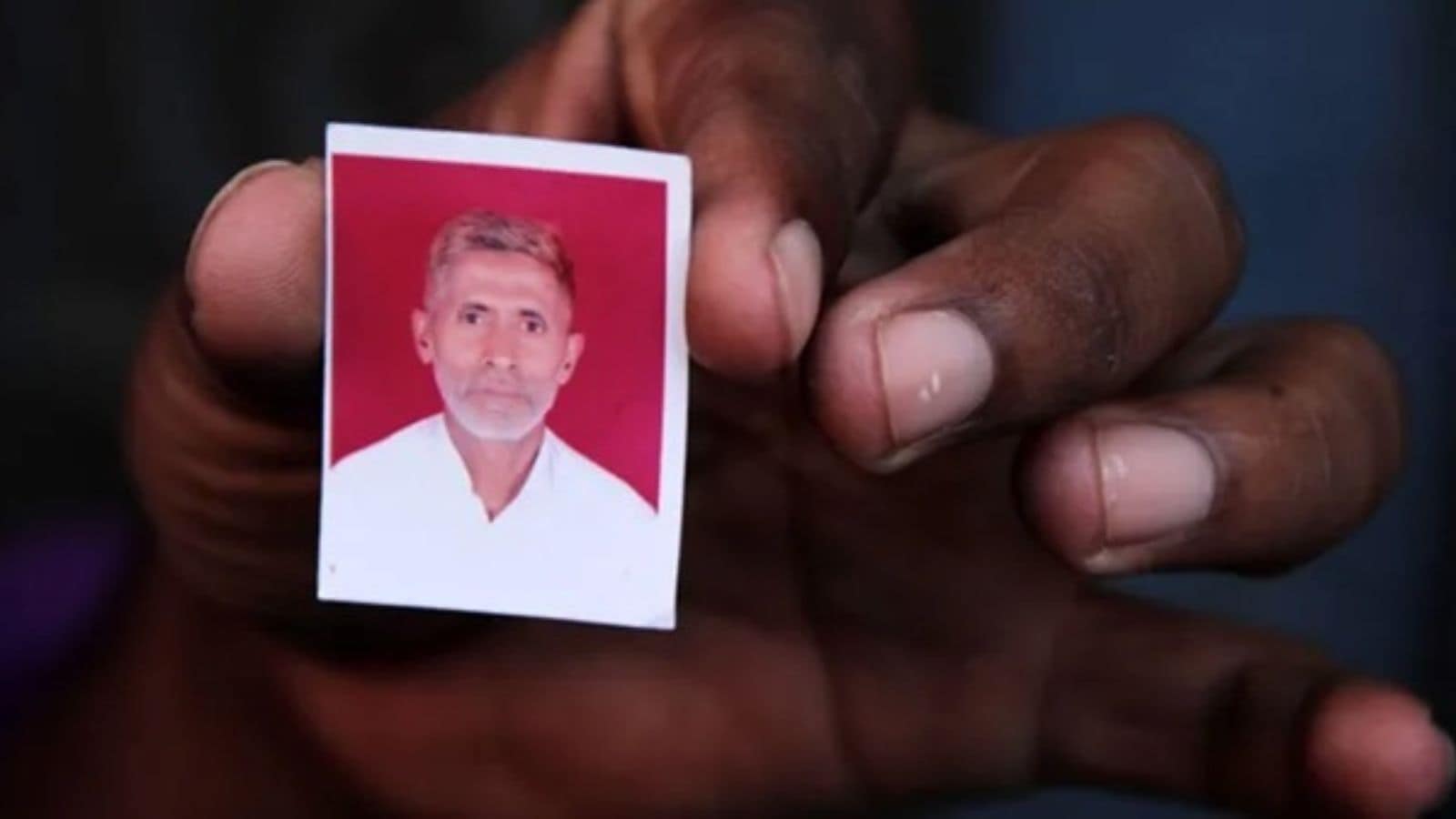
Ten years ago, a man named Mohammad Akhlaq was killed by a mob who thought he had beef at his home.
Now, the government wants to stop prosecuting the people who did this.
This has made some people wonder if the government cares more about some people than others, and if some crimes are more important than others.

Mohammad Akhlaq was lynched in 2014 over rumors of consuming beef
UP government seeks to withdraw case against all accused
Akhlaq's death sparked 'cow vigilantism' and hate crimes against Muslims and Dalits
The move raises questions about state's commitment to justice for all victims
The case highlights societal divisions and political responses to hate crimes
- Who
- Mohammad Akhlaq, a Muslim man, and the accused in his lynching case
- What
- Akhlaq's lynching and the UP government's decision to withdraw the case against the accused
- When
- 2014 (Akhlaq's lynching) and 2023 (UP government's decision)
- Where
- Uttar Pradesh, India
- Why
- Due to rumors that Akhlaq had beef in his fridge, and the UP government's political stance
Old View of Society
New View of Society
Social Contract
Old View of Society
Beyond current political flavor; enshrined in Constitution and evolved ideals
New View of Society
Mandate to rewrite state's software; moral, political, and legal attempt to de-universalize fundamental promises
Role of Government
Old View of Society
To uphold justice for all citizens regardless of power, station, and wealth
New View of Society
To rewrite the rules based on the current political mandate
- Victim
- Mohammad Akhlaq
- Date of Incident
- September 28, 2014
- Accused
- Several residents of Akhlaq's village, Dadri
- Government's Decision
- To withdraw the case against all accused
- Court's Role
- To rule on the government's petition