

Archive · 27 Sep 2025
Sustainable Luxury Brands: Premium Image, Higher Prices
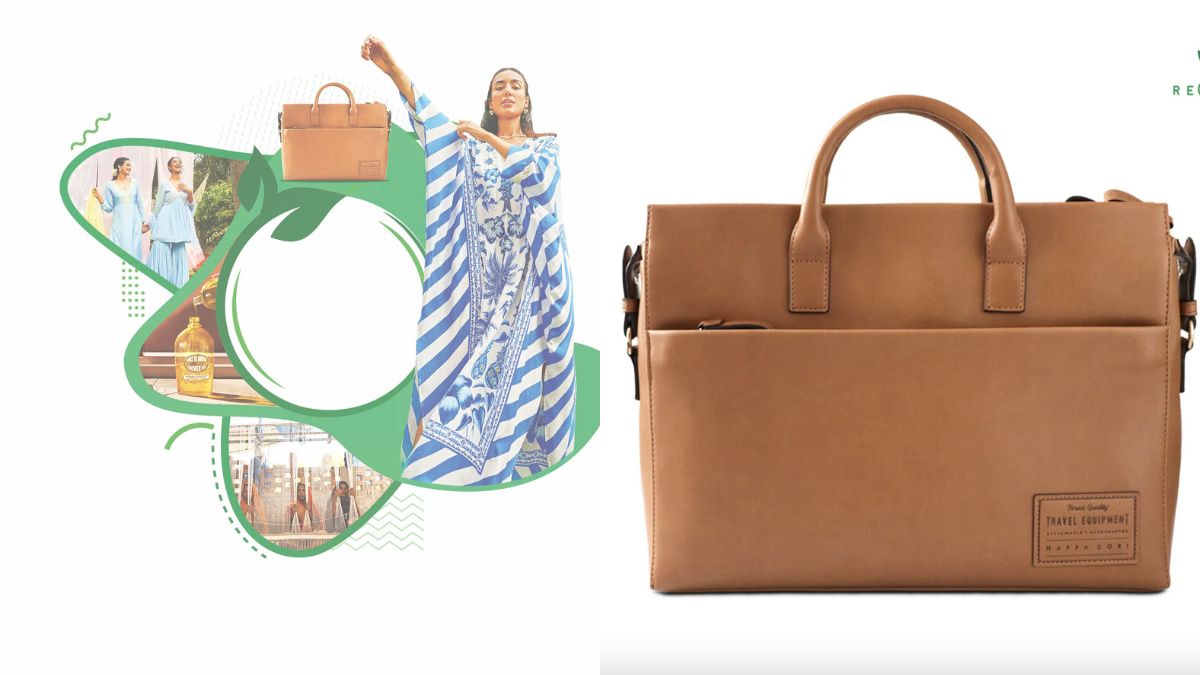
Luxury brands are becoming more eco-friendly.
To be sustainable, brands invest in things like fair labor and using recycled materials.
Because these practices cost more, the products are more expensive.
Despite the high prices, many consumers, particularly younger ones, are choosing these brands because they align with their values.
These certified brands offer consumers a guarantee of quality and an investment in sustainability.

Sustainability is a key value for conscious luxury brands, focusing on ethical and environmentally sound practices.
Green-certified luxury products come at a premium price due to the costs associated with sustainable practices and certifications.
Consumers show willingness to pay more for sustainable products that deliver quality.
Social media and peer influence play a role, with some consumers seeing sustainable luxury as an investment.
Digital Product Passports are being introduced to track sustainability and circularity.
- Who
- Sustainable luxury brands and consumers
- What
- The trend of sustainable practices in luxury brands, driving premium prices, and consumer buying behaviors
- When
- The current market, with an emphasis on the future with upcoming digital product passports.
- Where
- Globally, with a focus on India and the EU.
- Why
- Consumers are increasingly valuing sustainability and are willing to pay more for it, with increased awareness of environmental and ethical practices
- India's Fashion Industry (Projected by 2032)
- $146.3 billion
- Textile Industry (Share of global carbon emissions)
- 10%
- Water Usage by Textiles Annually
- 93 billion cubic meters
- Textile Industry (Share of global waste)
- 5%
- Clothing Recycled or Reused
- 20%
- Microplastics in Oceans from Textiles
- 34.8%