

Archive · 29 Sep 2025
Jainism's Extreme Fast: Spiritual Discipline and India's Fasting Culture
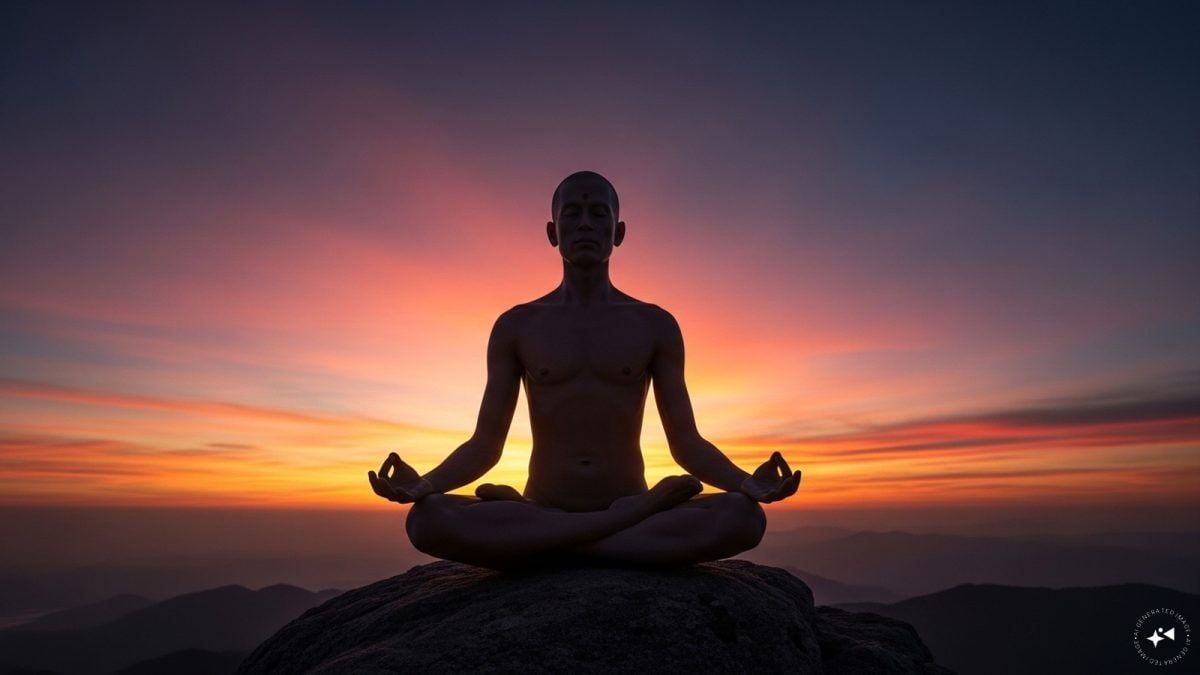
Some religions, like Jainism, have very difficult fasts, where people give up food and water for a long time.
This is called Santhara, and it's a way to become more spiritual.
In this process, people focus on prayer and meditation.
The goal is to let go of the physical world and accept death.
In India, many people fast regularly for religious reasons; it's a part of Hinduism and Jainism.
India is a country where people observe many fasts throughout the year, making it a significant part of their culture.

Santhara (Sallekhana) is the most difficult fast, practiced in Jainism.
It involves renouncing food and water for weeks or months.
The fast is a spiritual practice to embrace death when life’s duties are complete.
India has the most observed fasts globally, largely due to Hinduism and Jainism.
Fasting is seen as a path towards spiritual purification and liberation.
- Who
- Jain monks and followers; people in India practicing various fasts.
- What
- The practice of Santhara/Sallekhana, the most difficult fast, and the prevalence of fasting in India.
- When
- Observed throughout the year, with varying durations.
- Where
- India, primarily practiced within the Jain community.
- Why
- For spiritual purification, detachment, and as a path towards liberation.
- Most Difficult Fast
- Santhara/Sallekhana (Jainism)
- Practice
- Renouncing food and water for extended periods
- Duration
- Weeks or months
- Goal
- Spiritual liberation and detachment
- Country with Most Fasts
- India
- Religions in India
- Hinduism, Jainism
