

Archive · 2 Nov 2025
Henry Ford's Higher-Wage Model: A Growth Mantra for India
Imagine a car company owner who wanted to sell more cars.
Instead of just trying to make cars cheaper, he decided to pay his workers more money.
This meant his workers could afford to buy the cars they were building!
He also figured out new ways to build cars faster and cheaper, like using an assembly line.
This way, he could pay his workers well without making the cars too expensive.
More people buying cars meant the company grew, hired more people, and paid them more.
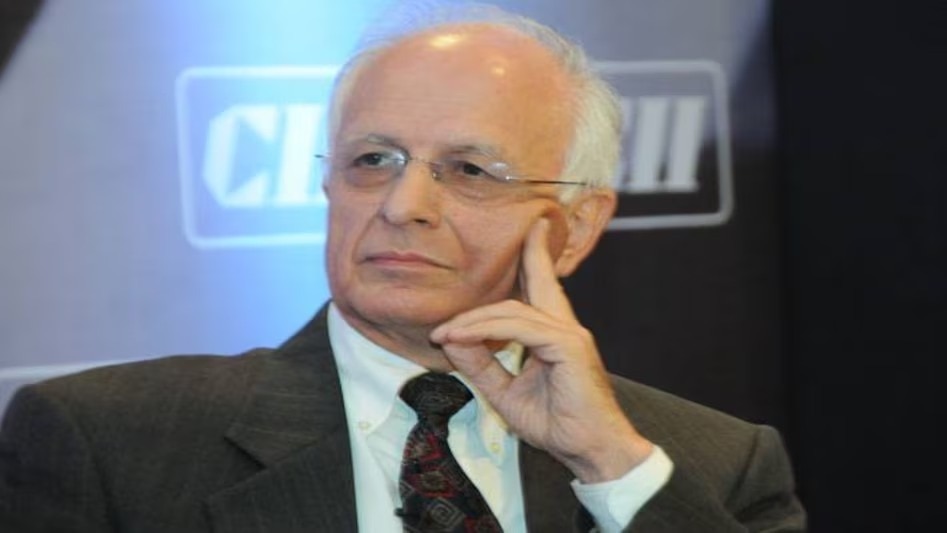
This idea, from Henry Ford long ago, is what an expert named Arun Maira thinks India should do.
He believes India should focus on paying people better wages, so they can buy more things.
This will make companies want to make more things, create more jobs, and help everyone earn more money, especially in the countryside.
He also says it's important to make it easier to start and run businesses in India, but without getting rid of good rules.

Arun Maira suggests India adopt Henry Ford's model of increasing wages to boost demand and drive economic growth.
Maira argues that higher wages create demand for products, leading to more investment and job creation, a self-sustaining cycle.
He points to Henry Ford's doubling of worker wages and innovations like the assembly line to make cars affordable and increase demand.
Maira advocates for innovation-driven growth, particularly in India's rural economy, to create value-added goods and services.
He also stresses the need for improved regulations and business environments, warning against simplistic deregulation that could destabilize markets.
- Who
- Arun Maira, former member of the Planning Commission
- What
- Proposing Henry Ford's higher-wage model as a strategy for India's economic growth, emphasizing internal demand and innovation
- When
- Implied recent, as it discusses a new book and current economic policy
- Where
- India
- Why
- To create a self-sustaining cycle of growth, jobs, and equitable income distribution
Maira's Proposed Model
Traditional Export-Led Growth
Engine of Growth
Maira's Proposed Model
Focus on stimulating internal demand through higher wages and equitable income distribution.
Traditional Export-Led Growth
Historically driven by tapping into external demand (exports) to spur investment and growth.
Investment Attraction
Maira's Proposed Model
Investments should be linked to job creation, with balanced reforms and improved labor regulations.
Traditional Export-Led Growth
Simplified regulations and deregulation to attract immediate investments, potentially risking long-term stability.
Labor Market Approach
Maira's Proposed Model
Balanced reforms and stakeholder consultations to improve labor regulations and incentivize skill development.
Traditional Export-Led Growth
Reducing 'hire and fire' regulations to make it easier for businesses, potentially leading to reduced worker skill investment and societal tension.
- Author
- Arun Maira
- Book Title
- Reimagining India's Economy: The Road to a More Equitable Society
- Maira's Background
- Former member of the Planning Commission, former chairman of Boston Consulting Group India, ex-director on Tata Motors board
- Key Concept
- Systemic loop connecting investment, demand, and incomes
- Proposed Model
- Henry Ford's higher-wage, innovation-driven growth