

Archive · 26 Sep 2025
Supreme Court Shifts Death Penalty Jurisprudence
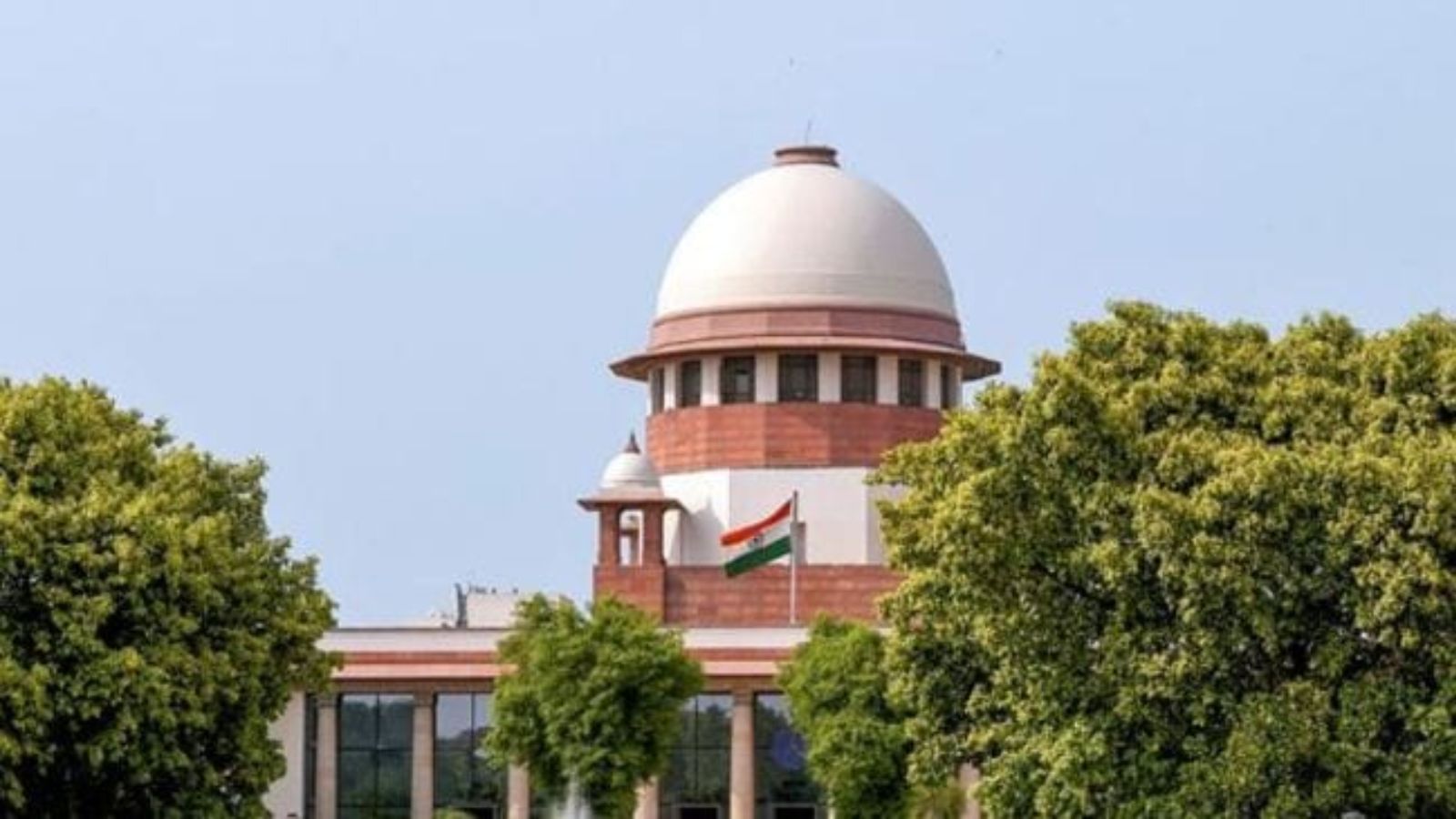
The Supreme Court made a big change to how the death penalty works.
They said that if the rules for sentencing someone to death aren't followed, it's a violation of their basic rights.
This means if the courts don't gather the right information about a person before sentencing, the death sentence can be cancelled.
This new rule, based on a previous court decision and the Manoj guidelines, could help hundreds of people currently on death row.
The Court now views proper sentencing procedures as something very important, a constitutional right, making sure everyone is treated fairly.

The Supreme Court ruled that not following death penalty sentencing procedures violates fundamental rights.
This ruling stems from the case of Vasanta Sampat Dupare v. Union of India.
The Court referenced Justice S B Sinha's vision, emphasizing constitutional guarantees.
The Manoj guidelines were established to ensure judges have information about the accused during sentencing.
The decision may affect approximately 600 prisoners on death row in India.
- Who
- Supreme Court of India
- What
- Ruled that failure to follow death penalty sentencing procedures violates fundamental rights, potentially overturning death sentences.
- When
- Late August
- Where
- India
- Why
- To ensure fairness, due process, and equality in the administration of the death penalty, making the sentencing process a constitutional guarantee.
Pro-reform
N/A
Severity of Punishment
Pro-reform
The ruling aims to narrow the application of the death penalty, ensuring fairness in its imposition.
N/A
N/A
- Case Name
- Vasanta Sampat Dupare v. Union of India
- Court Ruling
- Death sentences violating sentencing procedures will be set aside
- Key Figure
- Justice S B Sinha
- Relevant Guidelines
- Manoj guidelines
- Impacted Individuals
- Potentially ~600 death row prisoners