Archive · 16 Jan 2026
OpenAI Accelerates AI Adoption in India's Nonprofits
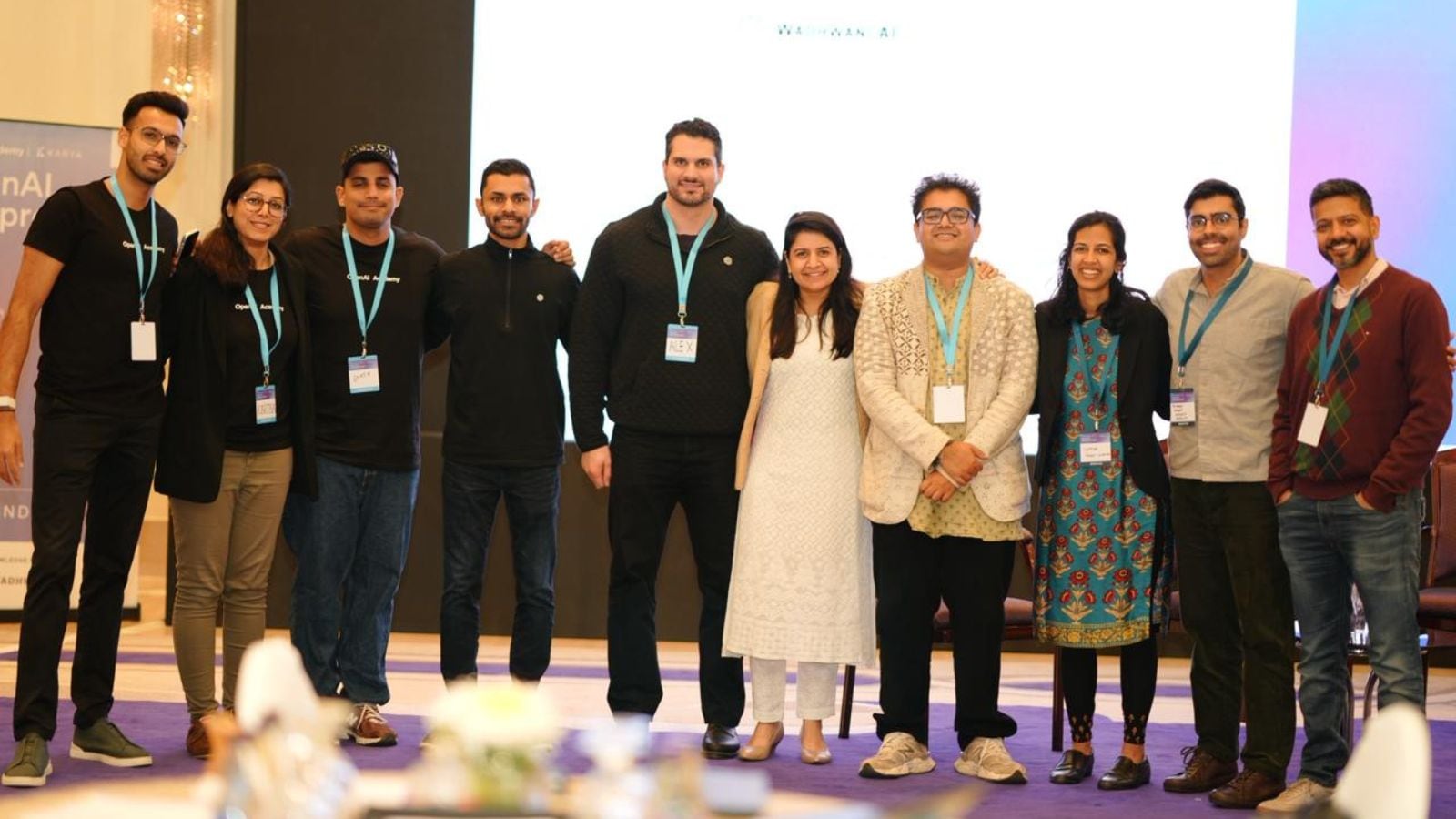
OpenAI is helping nonprofits in India use AI to do more good.
They started a workshop tour to teach nonprofits how to use AI tools like ChatGPT.
The goal is to help these groups serve more people, especially in rural areas.
Right now, many nonprofits struggle to move from small AI tests to big, country-wide projects.
OpenAI wants to fix that by working closely with these groups.
They also want to make sure the AI tools work well in real-world conditions, like using local languages and simple tech that field workers can use easily.
Success will be measured by how much more these nonprofits can help communities, not just by how many people attend the workshops.

OpenAI launched a four-city workshop tour to accelerate AI adoption in nonprofits serving rural communities in India.
The initiative, called Nonprofit Jam, aims to bridge the gap between AI pilots and scalable deployment.
Partners include Karya and Wadhwani AI, focusing on helping nonprofits move from experimentation to practical use.
Key challenges include commercialisation pathways, ecosystem limitations, and the need for localised, resilient AI systems.
Success will be measured by the increased reach and impact of nonprofits in rural communities.
- Who
- OpenAI, in partnership with Karya and Wadhwani AI
- What
- A four-city nonprofit workshop tour to accelerate AI adoption in nonprofits
- When
- Kicked off on January 15, 2024
- Where
- Bengaluru, and other cities in India
- Why
- To bridge the gap between AI pilots and scalable deployment in the social sector
- Initiative
- OpenAI’s Nonprofit Jam
- Objective
- Accelerate AI adoption in nonprofits serving rural communities
- Partners
- Karya and Wadhwani AI
- Key Challenge
- Scaling from pilot to deployment
- Success Metrics
- Increased reach and impact in rural communities
- Examples of AI Use
- Auto-grading, lesson planning, mock pitches, health triage
- Deployment Challenges
- Data collection, privacy, talent limitations, localisation
- Focus Areas
- Human-in-the-loop, voice-first design, local dialects