

Archive · 30 Jun 2025
Marwar's 1664 Caste Census: Preceding the British
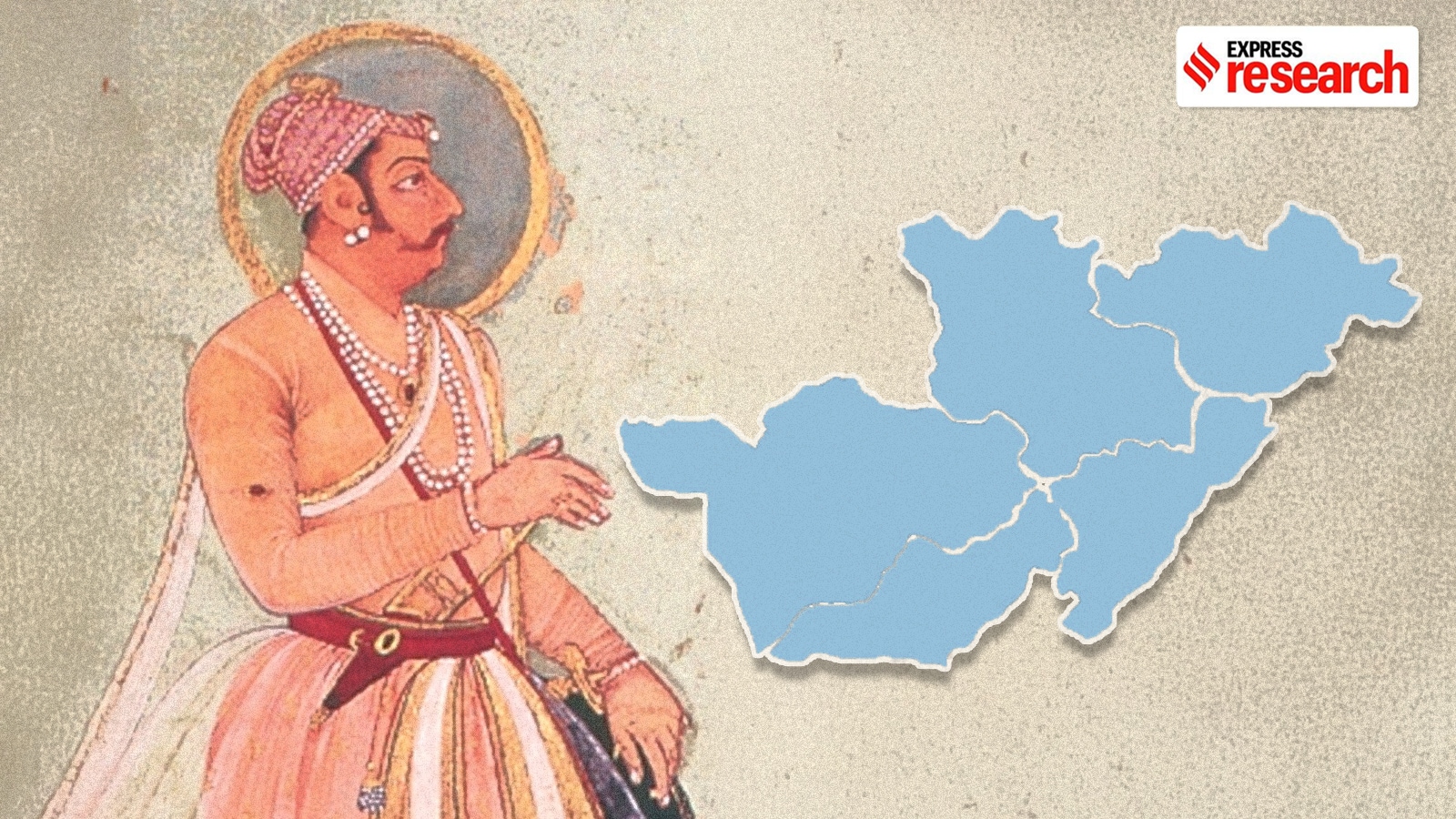
Long ago, before the British ruled India, the Marwar kingdom did a count of people by their castes.
This happened in 1664, managed by someone like a 'home minister' to figure out taxes.
People from different castes paid different amounts.
Later, when the British came, they used similar ways to count people, learning from the methods the Marwar kingdom used.
The British didn't start this idea; they built on what was already there.

A caste census was conducted in the Marwar kingdom of Rajasthan in 1664, predating British colonial efforts.
Munhata Nainsi, the 'home minister,' oversaw the enumeration to solve tax issues, not to create social hierarchies.
The census divided households by caste, with different rates applied based on caste and occupation.
British administrator Alexander Boileau used similar methods for his 1835 census in western Rajasthan.
Nainsi's records influenced colonial surveys, showing indigenous practices shaped colonial administration.
- Who
- Munhata Nainsi and later, British administrator Alexander Boileau.
- What
- A caste-based enumeration of households for tax purposes.
- When
- Conducted in 1664 and influenced later colonial surveys.
- Where
- Marwar kingdom in Rajasthan, India.
- Why
- Nainsi's primary goal was solving tax problems; Boileau used it for administrative needs.
Pre-colonial Indigenous practices
Colonial impact
Focus of historical analysis
Pre-colonial Indigenous practices
Emphasized as influencing British administration.
Colonial impact
Not typically highlighted in analysis.
- Kingdom
- Marwar
- Year of Census
- 1664
- Conducted by
- Munhata Nainsi
- Purpose
- Taxation
- British Census
- 1835, Alexander Boileau
- Mughal Influence
- Kingdom operated under Mughal control