

Archive · 13 Nov 2025
Diabetes May Double Risk of Bladder Control Issues
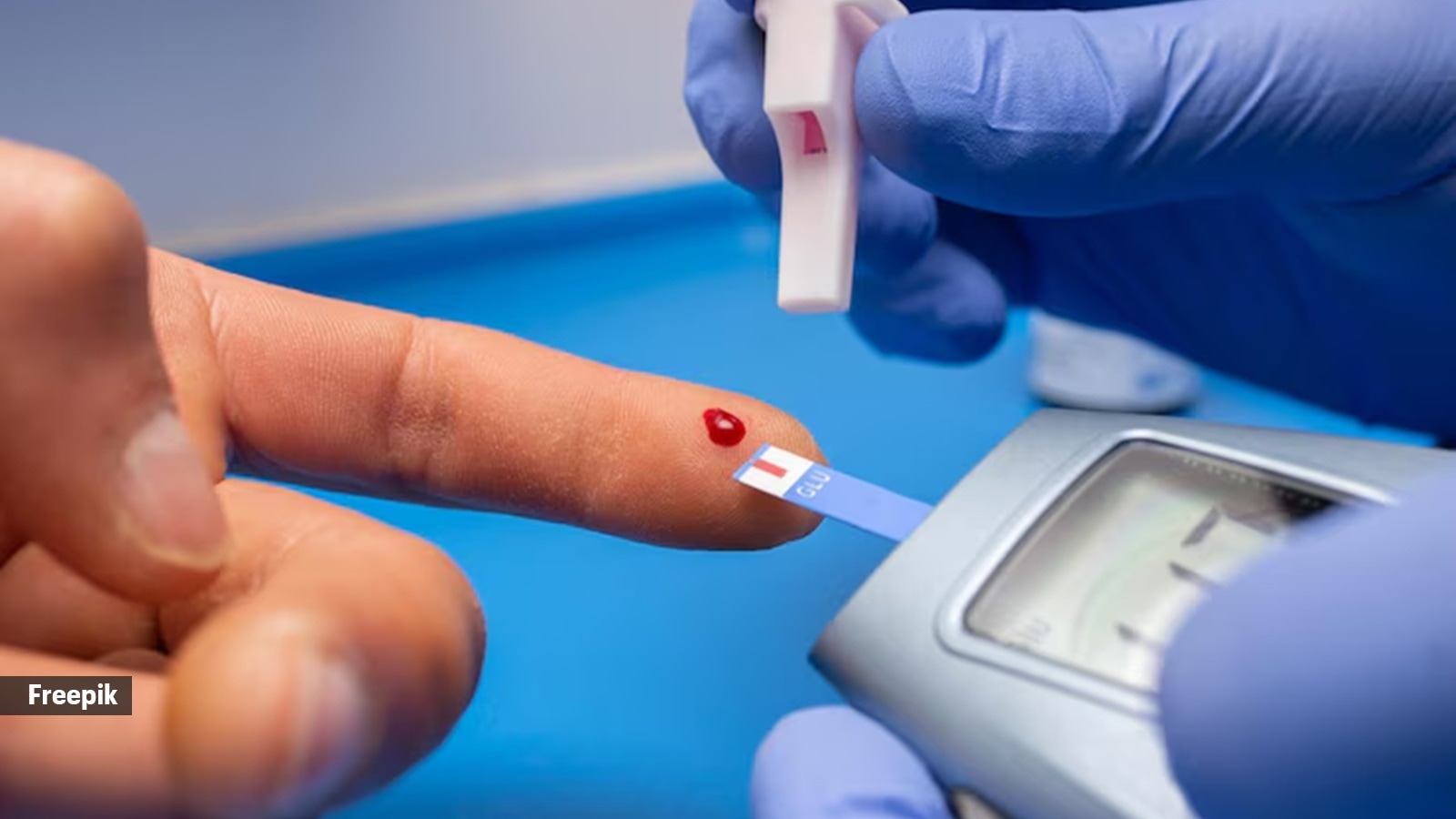
Imagine your body has tiny messengers called nerves that tell your bladder when to hold pee and when to let it go.
When your blood sugar is too high for too long because of diabetes, these tiny messengers can get damaged, like a phone line getting crossed.
This means your bladder might not know when it's full, or it might have trouble squeezing to let the pee out.
This can lead to accidents or needing to go to the bathroom all the time.
In some types of diabetes, being overweight can also push on your bladder and make things worse.
The good news is that by keeping your sugar levels healthy, going to the doctor, and doing special exercises for your tummy muscles, you can help protect your bladder.
If leaks still happen, there are special, comfy diapers that help you stay dry and confident.

Diabetes can significantly increase the risk of bladder control issues, nearly doubling the likelihood of incontinence.
High blood sugar can damage nerves controlling the bladder, a condition known as diabetic neuropathy, affecting its ability to sense fullness or contract.
In Type 2 diabetes, factors like insulin resistance and obesity can increase abdominal pressure, further straining the bladder.
Maintaining healthy blood sugar levels, regular medical check-ups, and pelvic floor exercises are key to managing and preventing bladder complications.
Comprehensive diabetes management includes protecting all affected organs, such as the bladder, to ensure overall health and daily confidence.
- Who
- Individuals with Type 1 and Type 2 diabetes.
- What
- Diabetes can double the risk of bladder control issues like incontinence due to nerve damage and other factors.
- When
- First Published: November 13, 2025, 21:49 IST
- Where
- The article does not specify a geographic location but discusses medical conditions and management.
- Why
- To inform individuals with diabetes about the risk of bladder control problems and emphasize the importance of comprehensive diabetes management for overall organ health.
Impact of High Blood Sugar on Bladder
Preventative Measures and Management
Nerve and Bladder Function
Impact of High Blood Sugar on Bladder
High blood sugar can damage nerves controlling the bladder (diabetic neuropathy), impairing its ability to sense fullness or contract effectively, leading to frequent urges or leaks.
Preventative Measures and Management
Keeping blood sugar levels in check is crucial for preventing nerve damage and maintaining bladder control. Regular check-ups and specific exercises can help.
Risk Factors and Complications
Impact of High Blood Sugar on Bladder
In Type 2 diabetes, insulin resistance, obesity, and increased abdominal pressure strain the bladder. In Type 1, long-term metabolic changes can reduce bladder elasticity and muscle strength, increasing incontinence risk.
Preventative Measures and Management
While complications can occur, they can be minimized with timely action and careful diabetes management, including bladder health as a conscious part of care.
Urinary Tract Infections
Impact of High Blood Sugar on Bladder
High glucose levels in urine can promote bacterial growth, increasing the risk of UTIs which can further irritate the bladder and worsen control issues.
Preventative Measures and Management
Proper diabetes management and maintaining good hygiene can help reduce the risk of UTIs and their associated bladder problems.
- Diabetes and Bladder Control Link
- Diabetes nearly doubles the risk of urinary incontinence or overactive bladder symptoms.
- Cause of Bladder Issues
- High blood glucose damages nerves (diabetic neuropathy), affecting bladder sensation and contraction. Increased abdominal pressure in Type 2 diabetes also strains the bladder.
- Type 1 Diabetes Impact
- Years of metabolic changes can reduce bladder elasticity and muscle strength.
- Type 2 Diabetes Impact
- Insulin resistance and obesity increase abdominal pressure, straining the bladder.
- Preventative Measures
- Keeping blood sugar levels in check, regular check-ups, pelvic floor exercises.
- Management Aids
- Skin-friendly, discreet adult diapers for comfort and ease.
Sources
Type 1 or Type 2 diabetes: Which carries more risk and why?
Type 1 Diabetes In Kids: Doctor Explains Early Symptoms Parents Shouldn't Miss

World Diabetes Day: Beyond insulin & carb counts; how support groups help manage Type 1 diabetes
