

Archive · 21 Sep 2025
Indian Cement Plants to Produce Green Urea, Reduce Imports
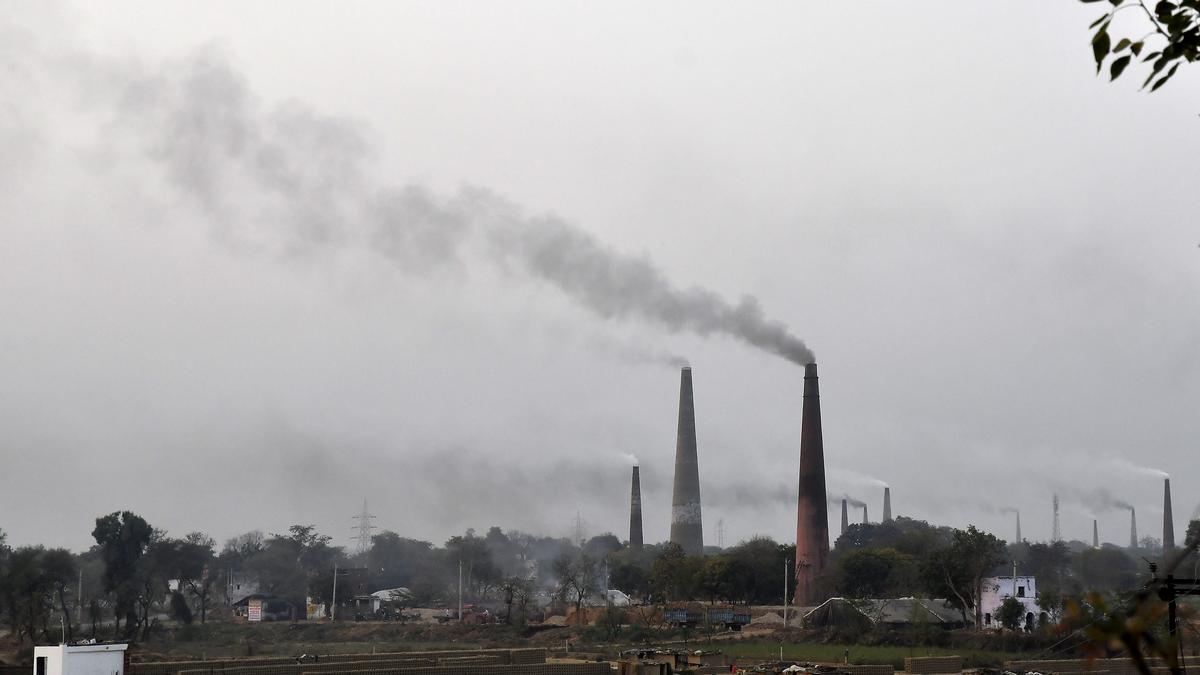
Imagine a way to clean up pollution from factories and help farmers at the same time!
Scientists in India are figuring out how to capture the carbon dioxide (CO2) released by cement factories and use it to make fertilizer (urea).
Urea is super important for growing crops.
This plan would take the CO2, mix it with stuff from air and renewable energy and turn it into green urea.
This can help India reduce how much fertilizer it buys from other countries, and it will make cement factories less polluting.
It also could help the environment by reducing the carbon footprint.

India's cement industry contributes significantly to global CO2 emissions.
The study suggests using captured CO2 from cement plants to produce green urea.
This method could reduce fertilizer imports and strengthen economic independence.
The process involves combining captured CO2 with green ammonia from renewable sources.
The project offers a potentially profitable way to convert industrial waste into agricultural resources.
- Who
- Cement industry, researchers, and the agriculture sector
- What
- Using captured CO2 from cement plants to produce green urea for fertilizer.
- When
- Published September 21, 2025, with implications for future sustainability.
- Where
- India
- Why
- To reduce cement emissions, cut fertilizer imports, and promote economic resilience, aligning with net-zero targets.
- Urea Demand (2030)
- Over 41 million tonne
- Urea Imports (2022)
- Nearly 30%
- Cement CO2 Emissions (Global)
- About 8%
- Green Urea Production (32 plants)
- 21.8 million tonne annually
- Payback Period
- 6 years
- Return on Investment
- 16.7%
- Green Urea Production Cost
- About $335 per tonne