Archive · 25 Jan 2026
Pentagon Releases 2026 Defense Strategy

The Pentagon has released a new defense strategy called the National Defense Strategy 2026.
This strategy focuses on making the US and its interests in the Western Hemisphere more secure.
It talks a lot about China, Russia, and Iran, but not about India.
The US wants to have a strong military presence in the Indo-Pacific region to negotiate with China from a position of strength.
The goal is to have a peaceful relationship with China without trying to dominate or humiliate them.
The strategy also mentions that the US will support its allies, like Israel, in dealing with threats from Iran.
In Korea, the US believes South Korea can take the lead in deterring North Korea.
The strategy aims to reduce the US military role in Europe and other regions where allies can take more responsibility.
Overall, the US wants to ensure a balance of power that allows for a decent peace in the Indo-Pacific.

The Pentagon released the National Defense Strategy 2026, focusing on the defense of the US Homeland and its interests in the Western Hemisphere.
The strategy emphasizes deterring China in the Indo-Pacific through strength, not confrontation, and seeks a stable peace with China.
The US plans to reduce its military role in Europe, Korea, and the Middle East, with allies taking more responsibility.
The document describes Iran's regime as weaker and more vulnerable, empowering regional allies to deter and defend against Iran and its proxies.
The strategy mentions that South Korea is capable of taking primary responsibility for deterring North Korea with limited US support.
- Who
- The Pentagon and the Trump administration
- What
- Released the National Defense Strategy 2026
- When
- Friday night, with an expected summit in April
- Where
- Indo-Pacific region, with a focus on the Western Hemisphere
- Why
- To establish strategic stability and de-escalate tensions with China, Russia, and Iran
US Strategy
China's Perspective
Military Presence
US Strategy
The US aims to establish a strong denial defense along the First Island Chain and seek a decent peace with China.
China's Perspective
China may view this as a containment strategy and a threat to its regional interests.
Negotiation Approach
US Strategy
The US seeks to negotiate from a position of strength to achieve favorable terms with China.
China's Perspective
China may perceive this as a confrontational approach despite the US's stated intention of not being unnecessarily confrontational.
- Document Release
- Friday night
- Expected Summit
- April meeting between Trump and Xi Jinping
- US Priority
- Pre-eminence in the Western Hemisphere
- Military Role Reduction
- Europe, Korean peninsula, and Middle East
- 2018 Strategy Description of China
- Revisionist power seeking veto authority
- 2026 Strategy Goal
- Establish strategic stability in Indo-Pacific
- Taiwan Mention
- Not mentioned by name, but included in First Island Chain
- Arms Package for Taiwan
- $11 billion
- China Mentions
- 22 times
- Russia Mentions
- 13 times
- Iran Mentions
- 11 times
- Korea Mentions
- 13 times
Sources
Pentagon’s new defense strategy strikes conciliatory tone on China

US shifts defence focus to China and homeland, cuts back support for allies

Trump's defense strategy revealed! US to focus on homeland, deterring China — what's in for Iran, Korea, Russia?
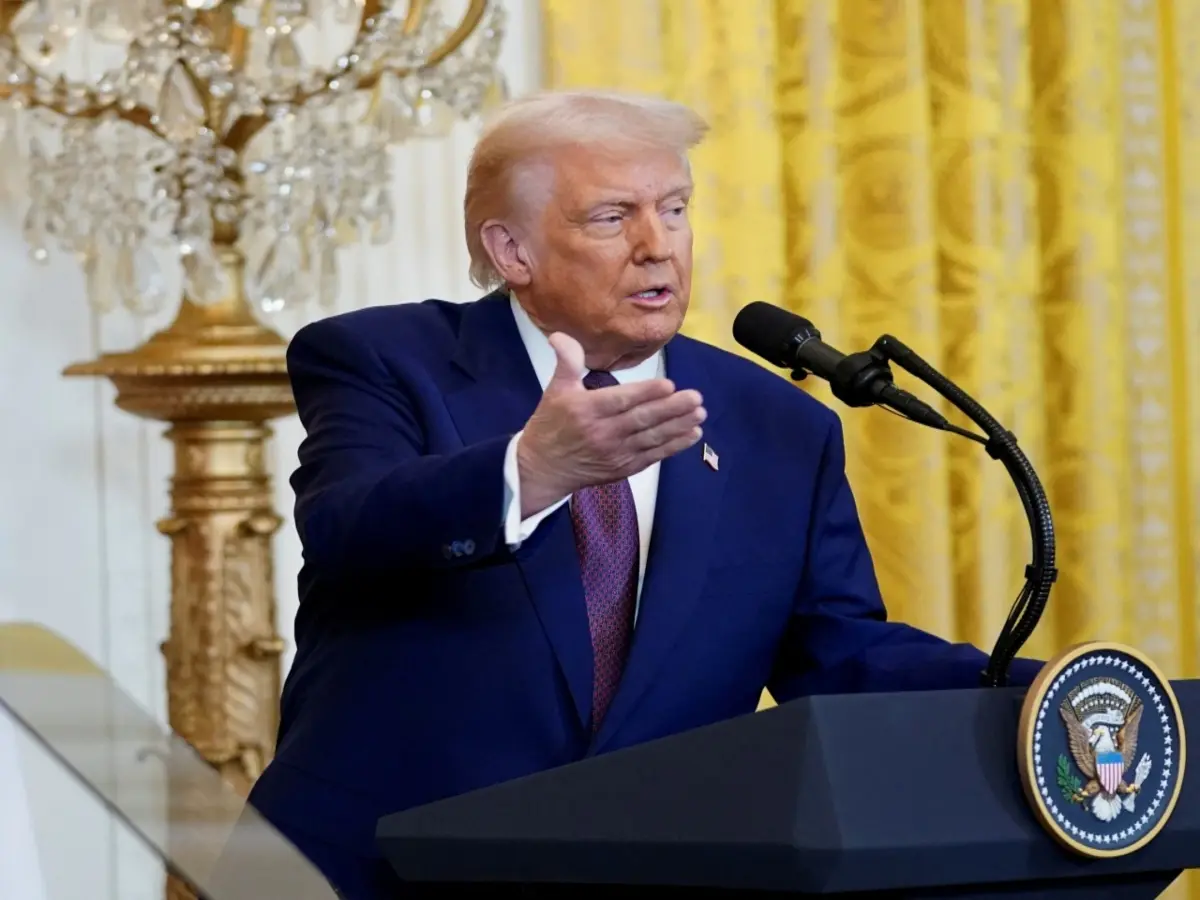
Trump administration's defense strategy to cut back support for allies, focus on China, homeland

Forget China: Why Trump’s new Pentagon strategy is moving US military to Greenland and Panama Canal

US unveils new roadmap: Dialing down on China, homeland is priority