

Archive · 1 Oct 2025
Nutritionist Explains Lp(a)'s Role in Heart Disease Risk
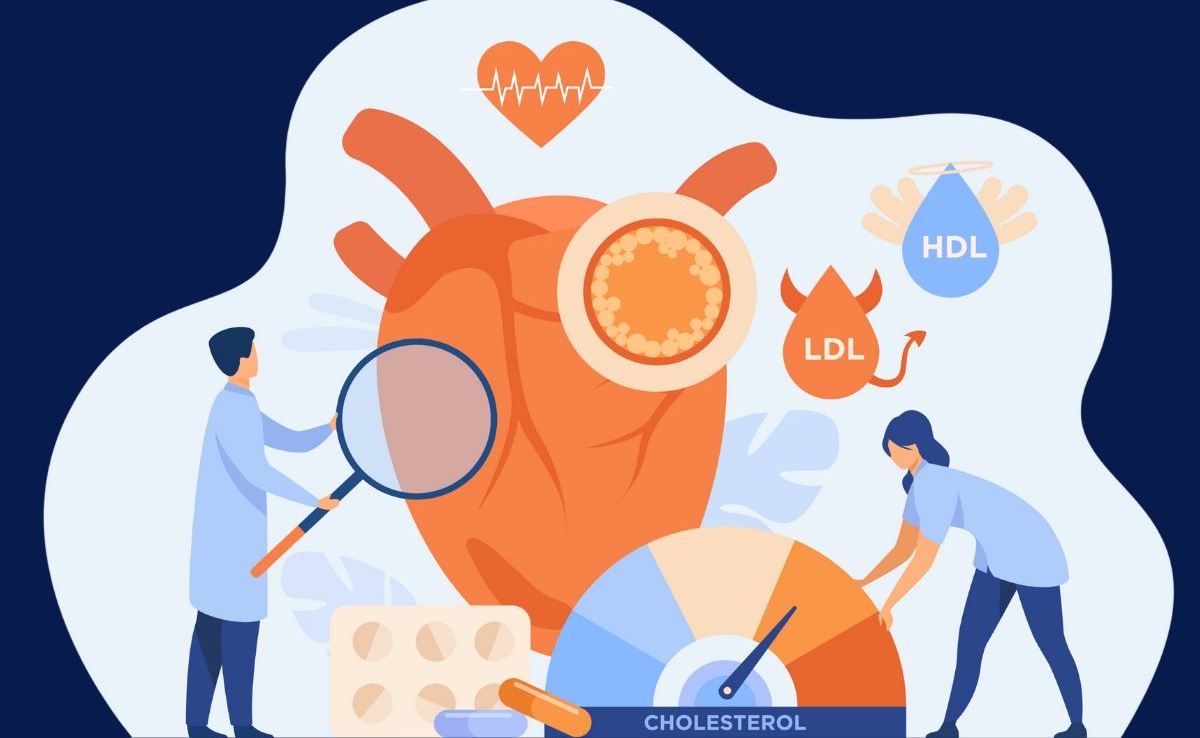
Your heart health depends on different types of cholesterol, with Lipoprotein(a) (Lp(a)) being one of them.
Unlike the cholesterol you can control with diet, Lp(a) is mostly set by your genes.
This means that even if you eat well and exercise, your Lp(a) levels might still be high.
High Lp(a) can lead to heart problems.
Doctors can check your Lp(a) levels with a blood test.
While diet and exercise don't lower Lp(a) directly, they can still help your heart.
Some nutrients may help lower Lp(a) levels.
It's important to know about Lp(a), especially if heart disease runs in your family.

Nutritionist Anjali Mukerjee discussed the importance of Lp(a) in heart health.
Lp(a) is mainly determined by genetics, not lifestyle.
High Lp(a) is often called 'sticky cholesterol' and increases heart disease risk.
Lifestyle choices are still crucial for managing other risk factors.
Lp(a) screening is recommended, especially with a family history of heart disease.
- Who
- Anjali Mukerjee, a nutritionist, and cardiologists.
- What
- Explained Lp(a)'s influence on heart disease and the importance of testing.
- When
- Mentioned that modern lifestyles contribute to low HDL levels
- Where
- N/A
- Why
- To inform people about the importance of Lp(a) in heart health.
- Key Factor
- Lipoprotein(a) (Lp(a))
- Determining Factor
- Genetics primarily determine Lp(a) levels
- Impact
- Elevated Lp(a) increases heart disease risk
- Influence of Lifestyle
- Lp(a) is not directly affected by diet or exercise
- Treatment
- Specific nutrients might aid in gradual reduction
- Testing
- Lp(a) screening involves a blood test