

Archive · 25 Jul 2025
RBI Won't Offer Banking Licenses to Corporates, Discusses UPI Sustainability
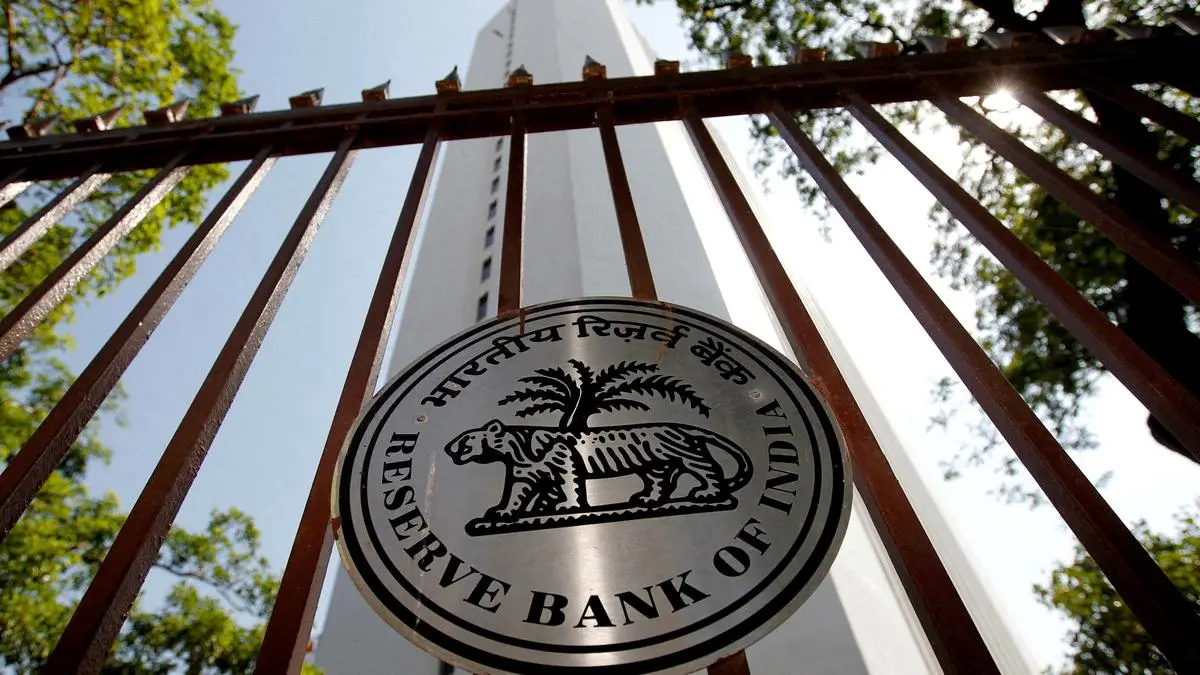
The Reserve Bank of India (RBI) isn't letting big companies directly start banks right now.
This is because the RBI worries it could cause problems if a company that also does regular business handles people's money in a bank.
Companies can still own a small part of a bank.
The RBI also wants to make sure no single company controls too much of any bank.
Also, the Governor said that somebody has to pay for the cost of payment systems like UPI in order for it to keep running.

RBI is not considering proposals for corporates to obtain banking licenses.
NBFCs can become Small Finance Banks (SFBs) or universal banks under existing criteria.
RBI cited concerns about conflict of interest with corporates managing depositor funds.
Corporates can hold up to 10% equity in banks without control.
RBI maintains the 26% cap on voting rights to prevent undue control.
- Who
- RBI Governor Sanjay Malhotra.
- What
- RBI is not currently approving banking licenses for corporates, and discussing payment system sustainability.
- When
- Published on July 25, 2025
- Where
- Not explicitly mentioned.
- Why
- To avoid conflicts of interest and ensure the sustainability of payment systems.
Banking Regulations
Payment systems
Corporate Control
Banking Regulations
Preventing corporate control ensures diversification and checks and balances, safeguarding depositor funds
Payment systems
Not mentioned in article
Payment system
Banking Regulations
Cost is important to consider for the long term viability of payments system.
Payment systems
Subsidizing payment systems.
- RBI stance
- Not considering corporate banking licenses
- NBFCs
- Can become SFBs or universal banks
- Corporate Equity
- Up to 10% ownership allowed
- Voting Rights Cap
- 26%
- UPI Transactions
- Doubled to over 60 crore daily