

Archive · 3 Jun 2025
How and Why Do Volcanoes Erupt?
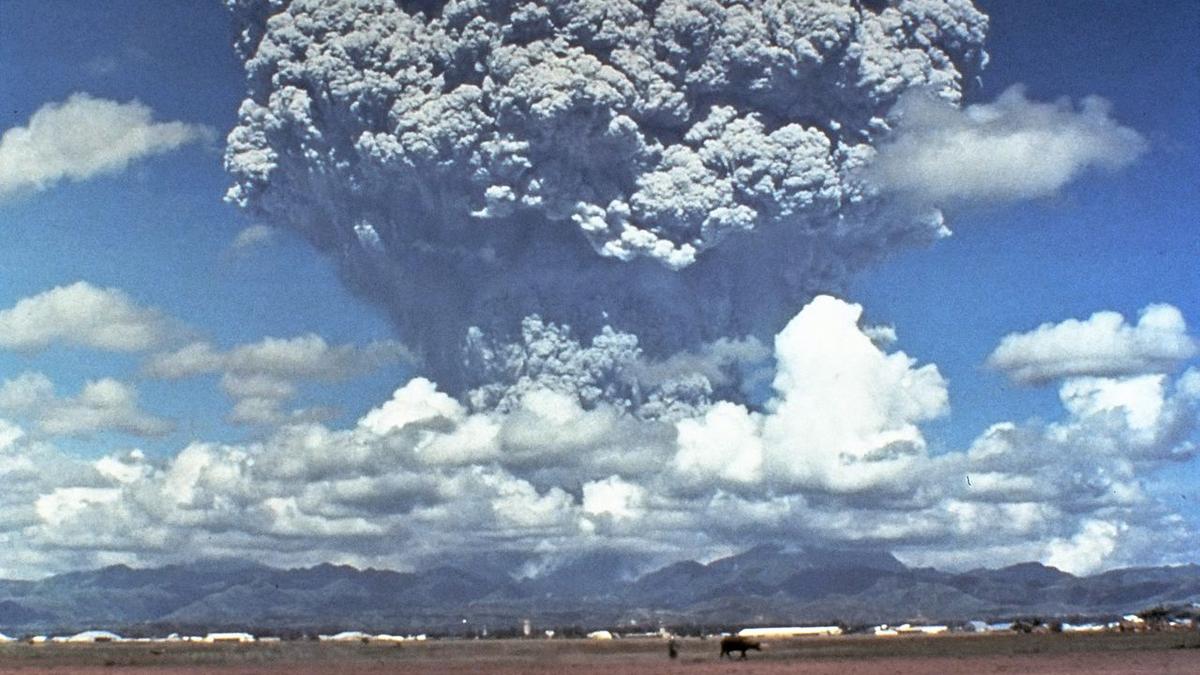
Deep inside the Earth, it's hot enough to melt rock into magma.
This magma bubbles up because it is lighter than the rock around it.
When the magma gets closer to the surface, the pressure drops, and the gases in the magma expand and form bubbles, like when you open a soda.
The pressure from the bubbles builds up.
Volcanoes erupt when this pressure is released through cracks, spewing out lava, ash, and gases.
Even volcanoes that haven't erupted in a long time, like Uturuncu, can still release gases and cause small earthquakes.

Magma, less dense than solid rock, rises and pools in reservoirs.
As magma ascends, dissolved compounds form bubbles due to pressure drop.
Pressure from expanding gas causes eruptions through crust fractures.
Seismic waves can be triggered by magma bottlenecks.
Zombie volcanoes, like Uturuncu, still emit gases and trigger earthquakes.
- Who
- N/A
- What
- Magma erupts as lava, ash, and gases due to pressure from expanding gas
- When
- N/A
- Where
- At tectonic plate boundaries or above mantle plumes
- Why
- Because of pressure from expanding gas that is released through fractures
- Magma Formation
- Molten rock from mantle and crust
- Magma Ascent
- Due to lower density
- Gas Bubbles
- Formed by pressure drop
- Eruption Triggers
- Pressure release through crust fractures
- Zombie Volcano Example
- Uturuncu
- Uturuncu Activity
- Emits gases and triggers earthquakes
- Uturuncu Eruption Likelihood
- Unlikely soon