3 days ago
Maya Satya Bhram Struggles to Balance Faith, Reason and Mystery
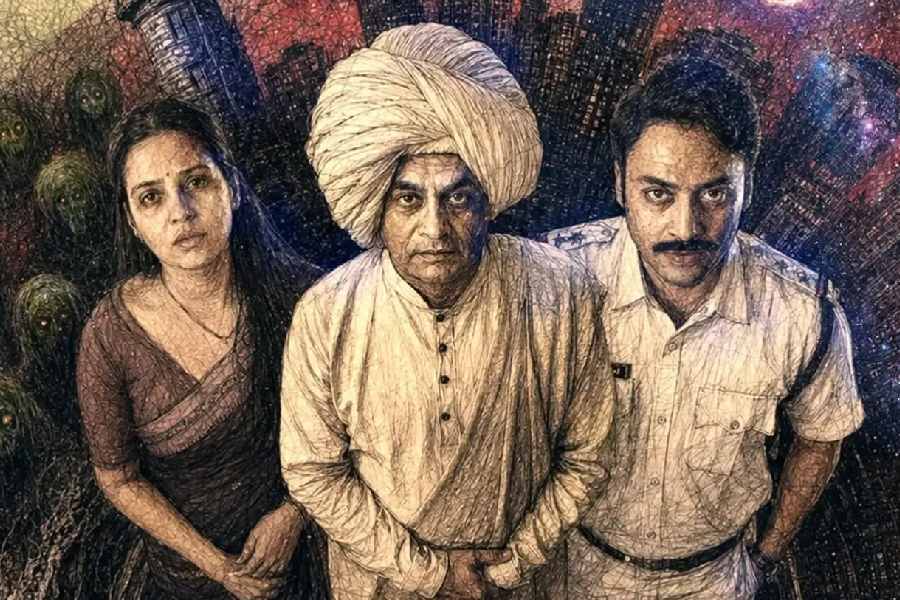
Maya Satya Bhram is a mystery film about a police officer whose young son disappears.
While searching for him, the officer becomes connected to another missing-person case.
That case involves a researcher who was studying a mysterious spiritual man named Babaji.
Babaji says he can see people’s past and future by touching them.
The officer does not easily believe these claims because he wants evidence.
However, the boy’s mother and others become interested in Babaji because they are desperate for answers.
The film asks whether faith can become stronger when science cannot explain something.
The review praises the acting but says the story sometimes feels confused and the ending is not fully developed.

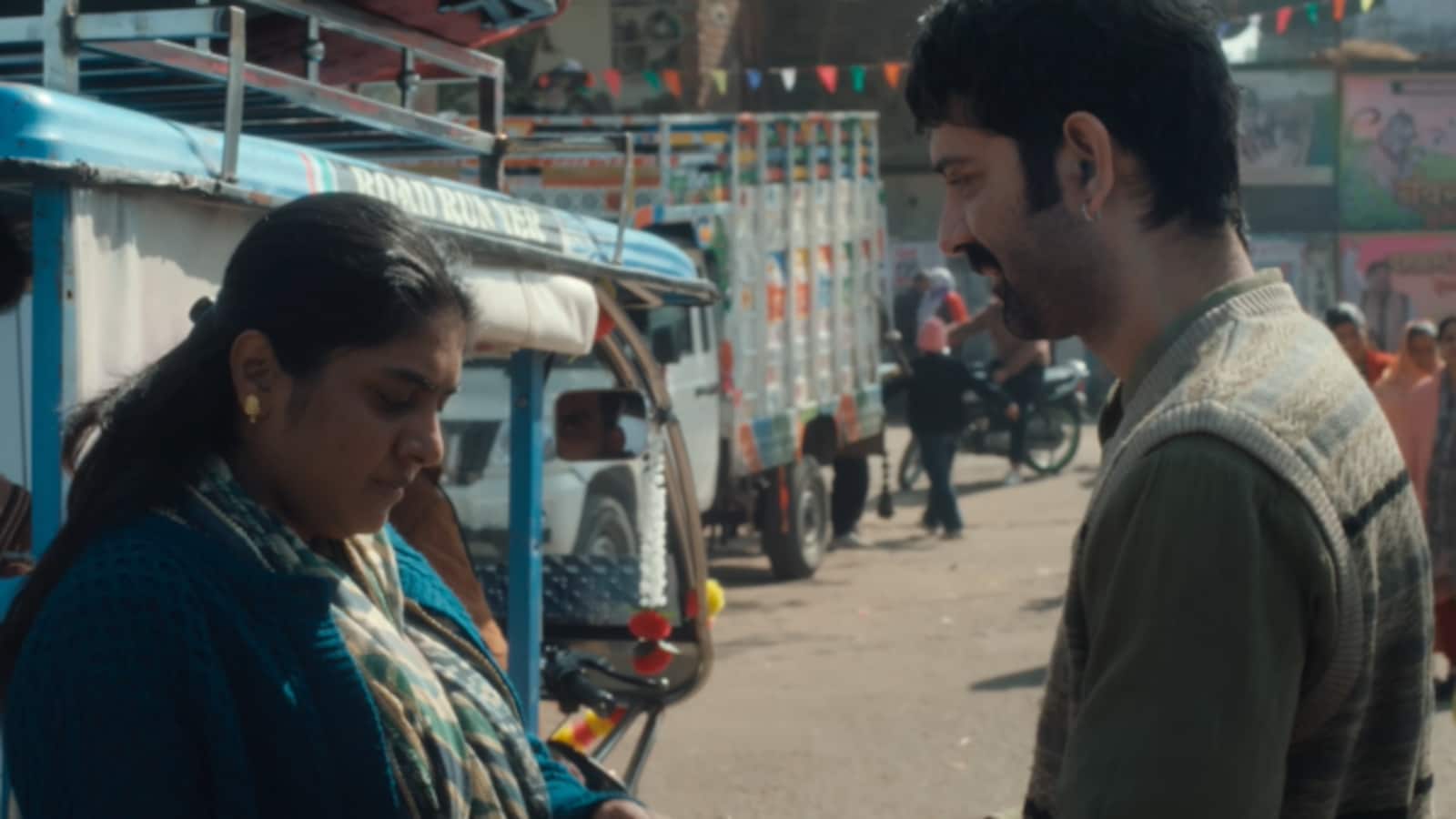
The film follows police officer Sanjay after his young son Totoro disappears at a crowded fair.
Sanjay’s investigation connects the disappearance to Swedish researcher Sara Nielsen’s case.
Sara had been studying shamanic traditions and interviewing Trilokdarshi Babaji, a mysterious spiritual figure.
The film explores why people embrace faith when grief and rational explanations offer little comfort.
Strong performances contrast with uneven transitions, an underdeveloped science-fiction twist and overly explicit philosophical ideas.
- Who
- Police officer Sanjay, his wife Urmila, their son Totoro, researcher Sara Nielsen and spiritual figure Trilokdarshi Babaji.
- What
- A mystery involving two missing people that combines police investigation, psychological drama and science-fiction elements.
- Where
- Kolkata, where Sara had been studying shamanic traditions.
- When
- Why
- Sanjay investigates the disappearance of his son and its possible connection to Sara’s case and Babaji.
Key facts
- Film
- Maya Satya Bhram
- Director
- Samik Roy Choudhury
- Central investigation
- The disappearance of Sanjay and Urmila’s young son, Totoro
- Connected case
- The disappearance of Swedish researcher Sara Nielsen
- Key figure
- Trilokdarshi Babaji, who claims to see the past and future through touch and communicate with the dead
- Main themes
- Faith, reason, grief, helplessness and the search for evidence
- Review assessment
- An uneven narrative with strong ideas and performances
Sources
Related news

Babita Singh Reporting Balances Character Study With Weak Mystery
Babita Singh Reporting Follows a Suspended Cop Homeward
Agadha Review: Supernatural Mystery Stifled by Dated Screenplay

Rudra Series Explores Decades-Old Crime Through Unconventional Investigation

Maya Satya Bhram Examines Love, Silence and Marital Distance