

1 week ago
Apple Seeks Court Order to Freeze OpenAI Hardware Development
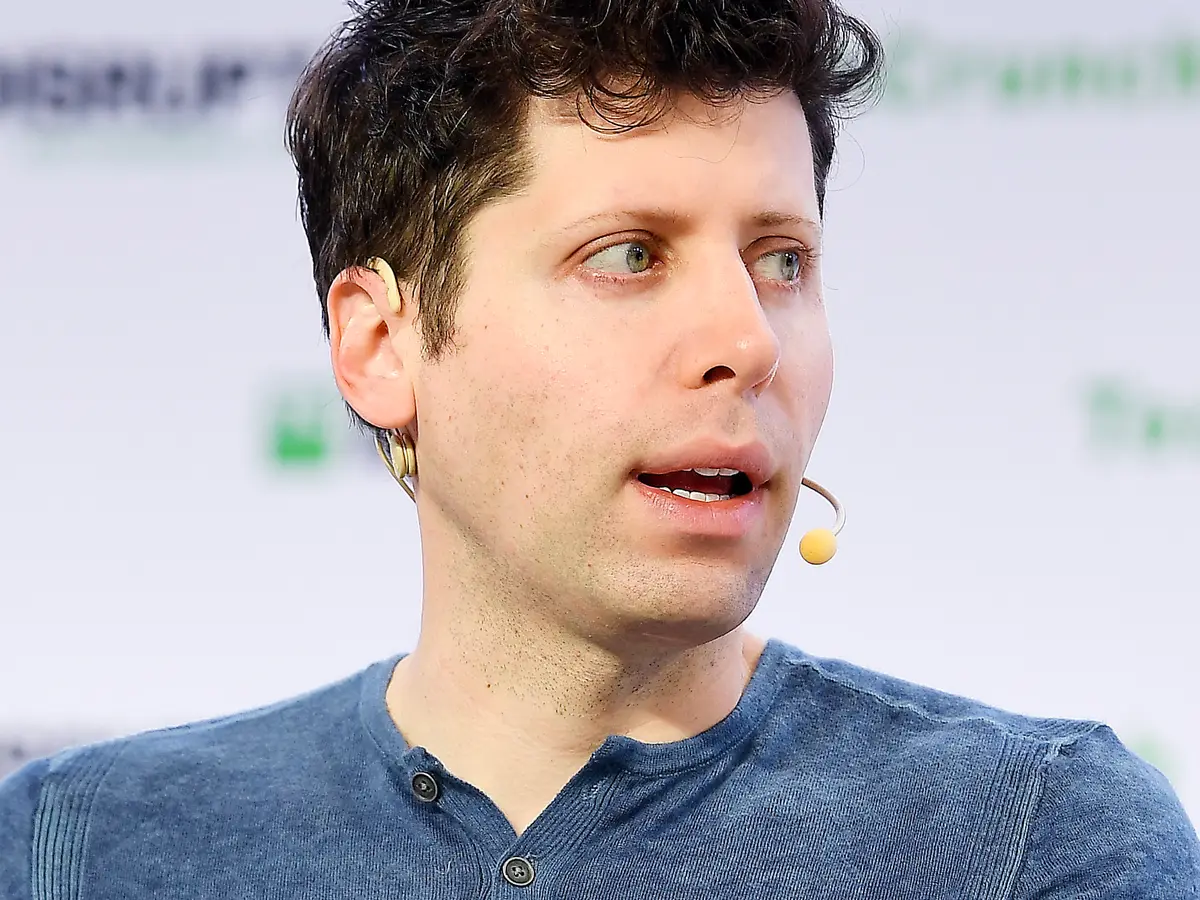
Apple says two former employees took secret information when they left to work with OpenAI’s hardware team.
It has asked a court to stop the team from using or sharing that information before a trial happens.
This kind of court order is difficult to obtain, but it could limit OpenAI’s hardware work for a long time.
OpenAI has asked the court to dismiss Apple’s case.
The hardware project is described as a possible phone or similar device built around artificial intelligence.
Such a device might work differently from today’s phones, which depend heavily on apps.
Apple says its secrets must be protected, while the case also involves the right of workers to change jobs.
Judge Edward Davila is expected to consider the motions in October.

Apple filed a 41-page trade-secrets complaint against OpenAI, io Products, and two former Apple employees on July 10.
The company seeks a preliminary injunction preventing OpenAI and the former employees from accessing, using, or disclosing allegedly confidential information.
Apple claims the defendants misappropriated trade secrets and violated intellectual-property agreements; OpenAI has moved to dismiss.
The case concerns OpenAI’s reported development of an AI-powered phone or similar device that could reduce reliance on traditional apps and operating systems.
A court order could constrain OpenAI’s hardware program during litigation, while the dispute also raises questions about employee mobility and trade-secret protections.
- Who
- Apple, OpenAI, OpenAI’s io Products subsidiary, and former Apple employees Tang Yew Tan and Chang Liu.
- What
- Apple is seeking a preliminary injunction in a trade-secrets lawsuit to restrict access to, use of, or disclosure of allegedly confidential information.
- Where
- The United States District Court for the Northern District of California.
- When
- Apple filed its complaint on July 10 and its preliminary-injunction motion on August 4; the motions are listed for October.
- Why
- Apple alleges that former employees brought protected information to OpenAI’s hardware effort and argues that continued use could cause irreparable harm.
Apple’s Position
OpenAI’s Position and Legal Defense
Use of confidential information
Apple’s Position
Apple alleges that former employees took identifiable proprietary information and that OpenAI’s hardware effort may use or disclose it.
OpenAI’s Position and Legal Defense
OpenAI has moved to dismiss, opposing Apple’s claims before the court has determined whether the information was actually misappropriated.
Preliminary injunction
Apple’s Position
Apple argues that immediate restrictions are needed to prevent irreparable harm and potentially stop confidential information from shaping a competing product.
OpenAI’s Position and Legal Defense
OpenAI faces the prospect of having its hardware program constrained before a trial, while Apple must meet a demanding legal standard to obtain the injunction.
Employee mobility versus trade secrets
Apple’s Position
Apple says trade-secret protections should prevent former employees from carrying protected company knowledge into a rival hardware project.
OpenAI’s Position and Legal Defense
The case must distinguish protected confidential information from general skills and experience employees are legally allowed to carry when changing jobs, particularly under California’s strong policy favoring worker mobility.
Key facts
- Complaint length
- 41 pages
- Initial filing
- July 10
- Preliminary-injunction motion
- August 4
- Claims
- Misappropriation of trade secrets and breach of intellectual-property agreements
- Named defendants
- OpenAI, io Products, Tang Yew Tan, and Chang Liu
- Presiding judge
- Edward Davila
- Related business context
- The article says OpenAI is preparing for a public listing and has completed a $50 billion investment from Amazon.
Sources
Related news
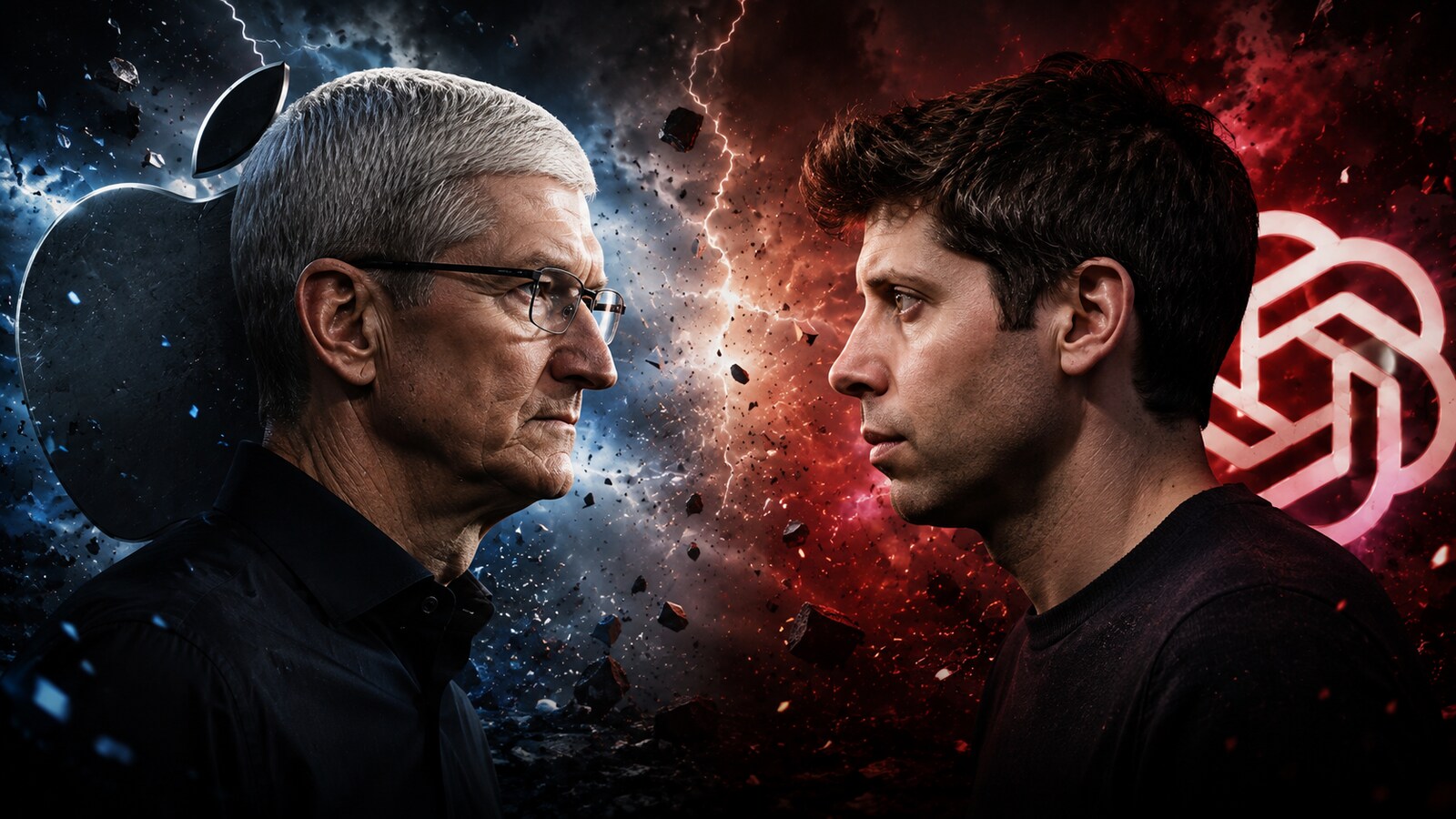
Apple, OpenAI Clash in Court Over Trade Secrets
OpenAI Asks US Judge to Dismiss Apple's Trade Secrets Lawsuit

Apple Urges Early Discovery in OpenAI Trade Secrets Case

Apple Defends Trade Secrets Lawsuit Against OpenAI Dismissal Bid

Apple Urges Court to Reject OpenAI Trade Secrets Dismissal

Sam Altman Says AI Capabilities and Safeguards Must Advance Together

Sony and Warner Sue Anthropic Over AI Music Training

Mother Bear And Three Cubs Rescued From California Water Tank

Overnight Rescue Saves Climber Trapped On Narrow Ledge
OpenAI Denies Apple's Trade-Secret Claims, Blames Its Procedures
